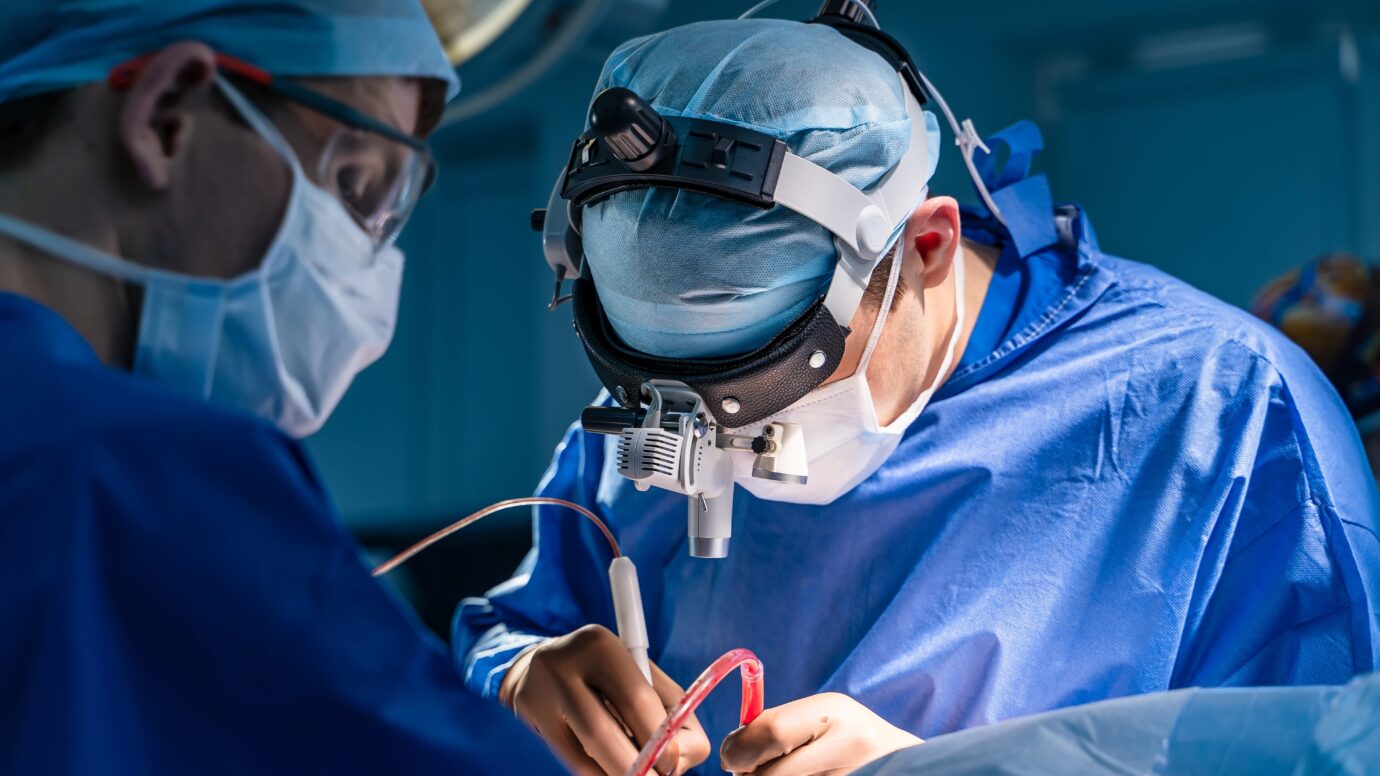
Pacific Stroke & Neurovascular Center

Overview

Defining New Standards of Neurovascular Care

At Pacific Neuroscience Institute®’s Stroke & Neurovascular Center, we are dedicated to improving quality of life for our patients with all types of neurovascular disease. Through state-of-the art care and access to clinical trials, our physicians provide individualized treatments for the most challenging neurovascular conditions, including ischemic and hemorrhagic strokes, brain aneurysms, and arteriovenous malformations.

Advanced Treatment in Southern California for Stroke

Our team provides advanced treatment across multiple Southern California facilities, so patients can receive the urgent specialized care they need close to home. Our Providence partner hospitals are Comprehensive Stroke Centers and hold the Get With The Guidelines® Stroke Gold Plus and Target: Stroke Honor Roll Elite Plus designations.

ER and neurointerventional teams are standing by to provide immediate, advanced treatment. Using the latest in leading-edge imaging and minimally invasive clot-retrieval and clot busting techniques, we are able to treat strokes as they occur, maximizing the chance of recovery.

Conditions & Treatments

Stroke and Neurovascular Conditions Treated by Our Specialists

Our experts diagnose and treat strokes and a wide range of neurovascular conditions.

Treatments & Procedures

Our experts provide advanced, individualized care using the latest medical, surgical, and minimally invasive techniques. Our goal is to effectively treat cerebrovascular conditions while minimizing risk and optimizing recovery.

  • Thrombolytic Therapy (tPA)
    Clot-dissolving medication is given intravenously to eligible patients with acute ischemic stroke. It is most effective when administered within the first few hours of symptom onset.
  • Mechanical Thrombectomy
    This catheter-based procedure to physically remove a large clot from a blocked brain artery is often used for severe strokes caused by large vessel occlusion.
  • Hemorrhagic Stroke Management
    This involves comprehensive care including neurocritical monitoring, surgical evacuation of bleeding, and treatment of underlying causes such as ruptured aneurysms or arteriovenous malformation (AVMs).
  • Medical Management of Transient Ischemic Attack (TIA)
    With a focus on identifying stroke risk factors and preventing future strokes through, recommendations include medications (e.g., antiplatelets, anticoagulants), lifestyle changes, and vascular risk control.
  • Endovascular Treatments
    Experts perform minimally invasive endovascular procedures where fine catheters are inserted through blood vessels, typically in the leg, to reach and treat abnormal blood flow in conditions such as brain aneurysms, AVMs, dural fistulas, or cavernomas. Microvascular neurosurgery allows our surgeons to safely deliver coils, glue, or other materials and access even the most difficult regions of the brain using the smallest possible incisions.
  • Surgical Clipping or Resection
    A traditional neurosurgical technique to clip aneurysms or remove vascular malformations like AVMs and cavernomas when endovascular therapy is not appropriate.
  • Stereotactic Radiosurgery (e.g., Gamma Knife)
    A non-invasive, targeted radiation treatment that gradually closes off small AVMs or cavernomas, particularly those located deep within the brain.
  • Carotid Endarterectomy
    A surgical procedure to remove plaque buildup from the carotid artery to restore blood flow and reduce the risk of stroke in patients with significant narrowing.
  • Carotid Artery Stenting
    A catheter-based alternative to endarterectomy, where a stent is placed to widen a narrowed carotid artery and maintain healthy cerebral circulation.
  • Revascularization Surgery for Moyamoya Disease
    Microsurgical bypass techniques (extracranial-to-intracranial bypasses) are used to reroute blood flow around narrowed or blocked arteries, improving oxygen supply to the brain and preventing future strokes.

Each treatment plan is tailored to the patient’s unique condition and overall health, delivered by our multidisciplinary team of stroke neurologists, neurosurgeons, and neurointerventionalists using the most advanced technologies available.

Other Conditions

Intracranial atherosclerotic disease (ICAD) occurs when plaque builds up inside the arteries that supply blood to the brain, causing them to narrow. It is one of the most common underlying causes of stroke and transient ischemic attack (TIA), particularly in people with hypertension, diabetes, or high cholesterol. The Pacific Stroke and Neurovascular Center offers both medical management and endovascular treatment for patients with ICAD at high risk for stroke.

Subclavian steal syndrome develops when a blocked or narrowed subclavian artery causes blood to reverse flow through the vertebral artery, diverting circulation away from the brain to supply the arm. This can cause dizziness, balance problems, or posterior circulation symptoms, especially when the affected arm is active. Treatment ranges from observation and medication to angioplasty, stenting, or surgical bypass depending on severity.

Cerebral vasospasm is an abnormal narrowing of blood vessels in the brain that most often occurs in the days following a subarachnoid hemorrhage. It can restrict blood flow and lead to delayed stroke or worsening neurological deficits, making close monitoring a critical part of recovery. Our experts use transcranial Doppler imaging, nimodipine therapy, and endovascular intervention to detect and manage vasospasm.

Venous and lymphatic malformations are congenital clusters of abnormal blood or lymphatic vessels that can develop in the head, neck, or brain. Unlike arteriovenous malformations, they are low-pressure lesions, but they can grow over time, cause pain, or compress nearby structures. Treatment is individualized and may include sclerotherapy, laser therapy, surgical resection, or observation by a multidisciplinary neurovascular team.

The venous sinuses are large channels in the brain that drain blood and cerebrospinal fluid. When these channels narrow, pressure can build inside the skull, causing persistent headaches, vision changes, and in some cases a whooshing or pulsing sound in the ears. We evaluate venous sinus stenosis with advanced imaging and offer both medical management and minimally invasive interventional options tailored to each patient’s anatomy and symptoms.

The vertebral and basilar arteries supply blood to the back of the brain, which controls balance, coordination, vision, and vital functions. When blood flow through these vessels is reduced, patients may experience sudden dizziness, double vision, difficulty walking, or brief episodes of weakness, sometimes called “drop attacks.” Our specialists evaluate vertebrobasilar insufficiency using detailed vascular imaging and develop personalized treatment plans to reduce stroke risk and protect neurological function.

Team

Meet Our Stroke & Neurovascular Team

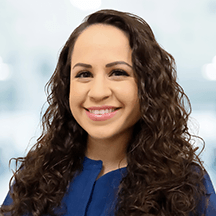
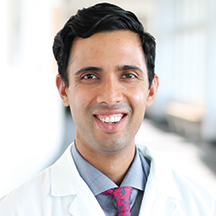
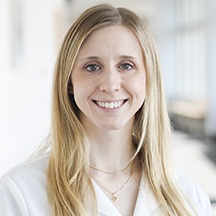
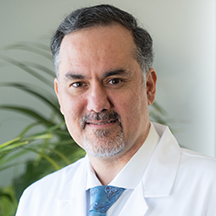
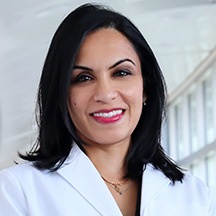
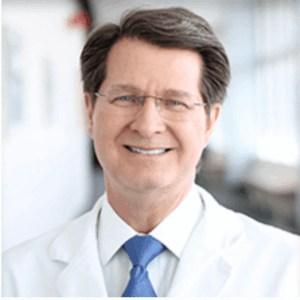
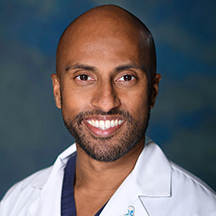
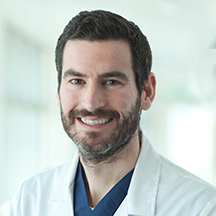
You can be confident of your care in the experienced and capable hands of our team of neurointerventional surgeons, vascular neurologists, neurosurgeons, and highly trained neurovascular specialists. Four center directors lead the expansive PNI Stroke & Neurovascular services network across Southern California: Drs. Jason Tarpley, Samuel Hou, Walavan Sivakumar, and Aditya Iyer.

Our physician-scientists are recognized leaders in the field, with an extensive body of published work that continues to shape new standards of care and advance new techniques in precision therapy. Their achievements include numerous awards for clinical excellence and research innovation. Our dedication to academic research is based on our commitment to improving clinical treatment options and quality of life for every one of our patients.

Clinical Trials

Stroke & Neurovascular Clinical Trials

Clinical trials for stroke and other neurovascular conditions are sometimes available and may offer access to advanced treatments not yet widely available. These studies aim to improve outcomes, enhance recovery, and deepen our understanding of brain and blood vessel disorders. Ask your care team if a clinical trial may be right for you.

Patient Support

Support That Goes Beyond Your Appointment

Our Stroke Support Groups can help you on your road to recovery. Stroke is a preventable disease and studies indicate that 80% of strokes can be prevented. Identifying the risk factors that contribute to stroke can help reduce the likelihood of having a stroke.

Details regarding insurance coverage, and billing information are available at Providence.org.

Locations

Locations Serving Stroke & Neurovascular Patients

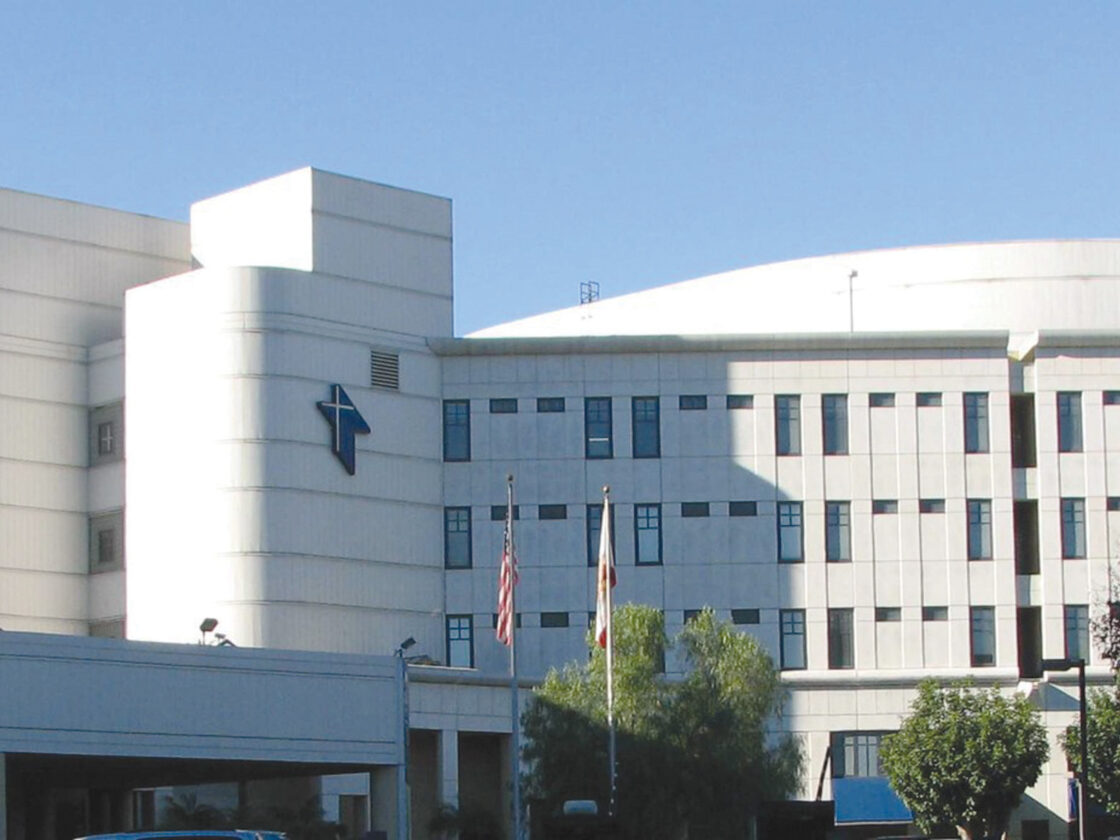
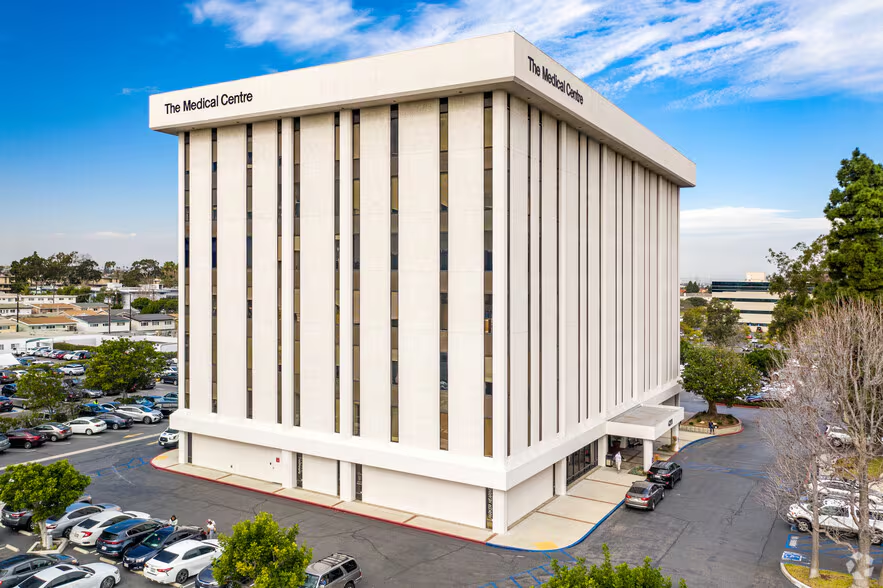
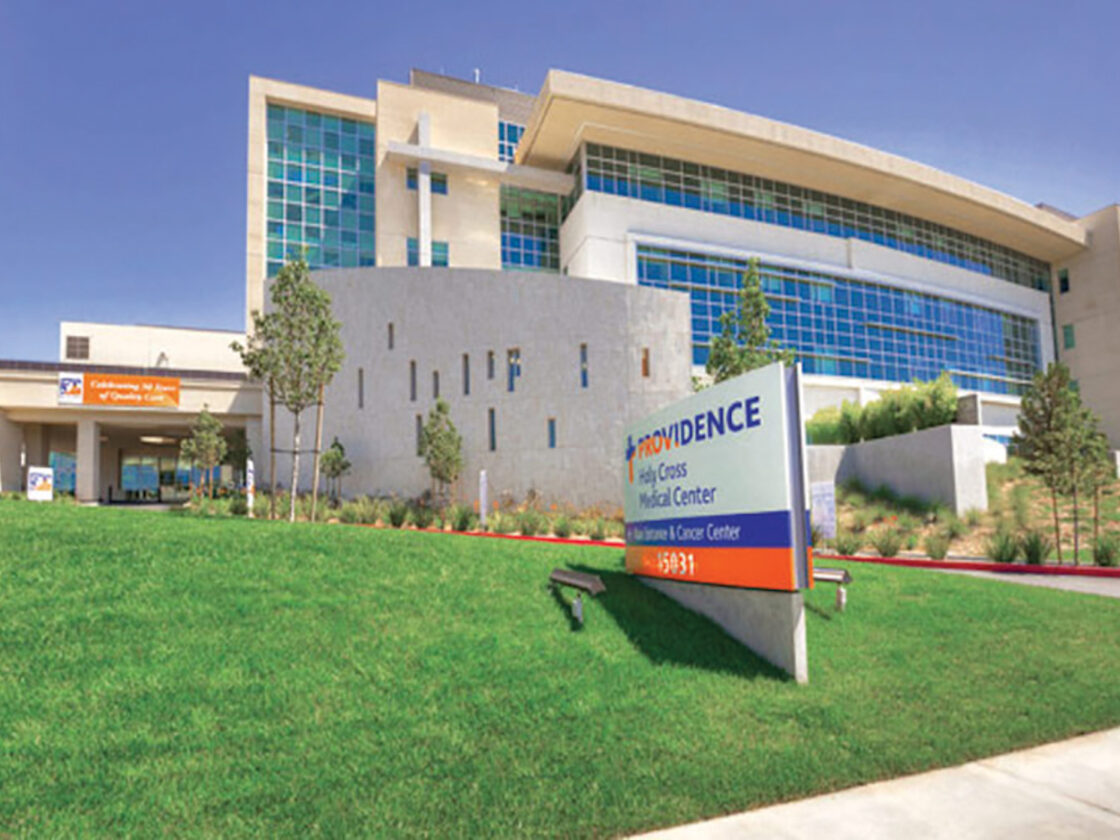
The Pacific Stroke & Neurovascular Center services operate at nationally recognized stroke centers across Southern California. Our affiliated Providence hospitals have state-of-the-art operating suites, including catheterization laboratories (cath labs) which house diagnostic imaging equipment used to visualize any abnormalities. Our hospital-affiliated specialty neurovascular staff is dedicated to the care of patients with stroke, brain aneurysms and vascular malformations.

Saint John’s Health Center

2121 Santa Monica Blvd
Santa Monica, CA 90404

Saint Joseph Medical Center – Neuro Clinic

501 South Buena Vista Street
Burbank, CA 91505

PNI-South Bay – Stroke & Neurovascular Clinic

4201 Torrance Blvd #520
Torrance, CA 90503

Holy Cross Medical Building

11550 Indian Hills Rd #261
Mission Hills, CA 91345

Saint Joseph Hospital Medical Building

1000 W La Veta Ave
Floor 1
Orange, CA 92868
Contact Us

Saint John’s Health Center
2121 Santa Monica Blvd,
Santa Monica, CA 90404, USA
310-829-8319

Saint Joseph Medical Center – Neuro Clinic
501 S. Buena Vista Ave
Burbank, CA 90505
818-847-6049

PNI-South Bay – Stroke & Neurovascular Clinic
4201 Torrance Blvd #520
Torrance, CA 90503
424-212-5340

Holy Cross Medical Building
11550 Indian Hills Rd, #261,
Mission Hills, CA 91345
818-847-6570