Brain Aneurysm

Overview

What is a Brain Aneurysm?

Overview

A brain aneurysm—also called a cerebral aneurysm or intracranial aneurysm—is a weakened, bulging area in the wall of an artery that supplies blood to the brain. Arteries are vital blood vessels that carry oxygen-rich blood from the heart to the brain, nourishing brain cells and supporting essential neurological functions.
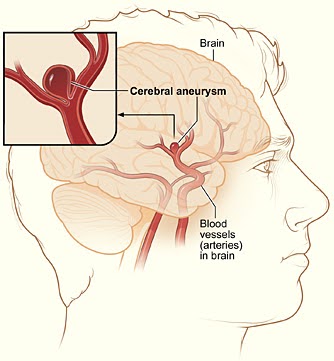
When part of an artery wall becomes thin or weak, it can balloon outward, creating an aneurysm. Most brain aneurysms develop in the network of arteries at the base of the brain known as the Circle of Willis, a critical junction in the brain’s blood supply. While some brain aneurysms remain small and undetected, others may grow and carry a risk of rupture, leading to bleeding in the brain (hemorrhagic stroke), which is a medical emergency.

Who is Affected?

Brain aneurysms can develop in people of all ages but are most commonly diagnosed in adults between the ages of 30 and 60. Women are slightly more likely than men to develop brain aneurysms, especially after menopause.

While many brain aneurysms remain small and asymptomatic, larger aneurysms or those that grow over time carry a higher risk of rupture, which can cause life-threatening bleeding in the brain. Early diagnosis and management are key to preventing complications.

Certain factors increase the risk of developing a brain aneurysm, including:

  • Family history of brain aneurysms or hemorrhagic stroke
  • High blood pressure (hypertension)
  • Smoking or tobacco use
  • Excessive alcohol consumption
  • Certain genetic disorders such as polycystic kidney disease or connective tissue disorders
  • Head trauma or injury
  • Previous brain aneurysm or cerebrovascular disease
Symptoms + Causes

Brain Aneurysm Symptoms & Causes

Symptoms

Many brain aneurysms cause no symptoms and often go unnoticed until discovered incidentally during imaging for other reasons. These are known as unruptured brain aneurysms.

However, when an unruptured aneurysm grows large enough, it can press on nearby brain structures or nerves, causing symptoms such as:

  • Severe or persistent headaches
  • Blurry or double vision
  • Changes in speech or difficulty speaking
  • Eye pain or drooping eyelids

If a brain aneurysm ruptures, it causes bleeding into the space around the brain, known as a subarachnoid hemorrhage. This is a medical emergency. Immediate medical attention is crucial if any of these symptoms occur, as a ruptured aneurysm can cause permanent brain damage or death if not treated promptly.

Symptoms of a ruptured brain aneurysm usually appear suddenly and can include:

  • A sudden, severe headache often described as the “worst headache of my life”
  • Nausea and vomiting
  • Sensitivity to light (photophobia)
  • Neck stiffness
  • Weakness or numbness in parts of the body
  • Confusion, difficulty concentrating, or loss of consciousness
  • Fainting or seizures

Causes

The exact cause of brain aneurysms is not fully understood, but several risk factors contribute to their development. Some causes are inherited, while others are related to lifestyle and health conditions.

  • Genetic predisposition: Some people inherit weak spots in their artery walls or experience heightened inflammation that makes aneurysm formation more likely.
  • Aging and atherosclerosis: Hardening of the arteries and age-related changes weaken vessel walls, increasing risk.
  • Family history: Individuals with close relatives who have had brain aneurysms are at higher risk.
  • High blood pressure (hypertension): Elevated blood pressure strains artery walls and increases the chance of aneurysm growth and rupture.
  • Smoking: Tobacco use damages blood vessels and significantly raises aneurysm risk.
  • Other vascular risks: Conditions such as high cholesterol, diabetes, poor diet, lack of exercise, and heart disease also contribute to aneurysm formation and rupture risk.
  • Head trauma: Injury to the head may weaken arteries and lead to aneurysm development.

When to See a Doctor

Even if symptoms are mild or intermittent, consult a healthcare provider if you have a family history of brain aneurysms or risk factors such as high blood pressure or smoking. Early evaluation and imaging can help detect aneurysms before they rupture and allow for timely treatment.

You should seek immediate medical attention if you experience any sudden, severe headaches that are unlike any you’ve had before, especially if accompanied by:

  • Nausea or vomiting
  • Neck stiffness
  • Sensitivity to light
  • Loss of consciousness, fainting, or seizures
  • Sudden weakness, numbness, or difficulty speaking
Diagnosis

Brain Aneurysm Diagnosis

Because unruptured brain aneurysms often do not cause any symptoms, many are discovered in people who are being evaluated for a different reason. If your doctor believes that you are at risk for having a brain aneurysm, you may undergo one of the following tests:

A CT scan is a very quick test that can identify bleeding in the brain. Sometimes a lumbar puncture (spinal tap), which uses a needle to extract spinal fluid from your lower back, may be necessary if the CT scan does not clearly show bleeding but your doctor still suspects that you have a ruptured cerebral aneurysm with a subarachnoid hemorrhage.

CTA is a more precise method of evaluating blood vessels than a standard CT scan. CTA uses a combination of CT scanning, special computer techniques, and contrast material (dye) injected into the blood to produce images of blood vessels.

Similar to a CTA, MRA uses a magnetic field and pulses of radio wave energy to provide pictures of blood vessels inside the body. As with CTA, a dye is used during MRA to make blood vessels show up more clearly.

This is the gold standard test for the clearest images of the blood vessels. This procedure takes place in a catheterization lab (cath lab), while you are under sedation. A tiny catheter is inserted through a blood vessel in the groin and moved up from the inside of the blood vessel into the brain. A dye is then injected into the cerebral artery. As with the above tests, the dye allows any problems in the artery, including aneurysms, to be seen clearly using specialized X-rays. Although this test is more invasive and carries more risk than the above tests, it is the best way to locate small brain aneurysms and to clearly visualize the shape of the aneurysm to guide treatment decision-making.

Treatment + Outcomes

Brain Aneurysm Treatment & Outcomes

Treatment Options

The first and most important step in seeking treatment for a brain aneurysm is to get an expert consultation from an advanced treatment center with expertise in all types of aneurysm treatments, including endovascular therapies and minimally-invasive microsurgical clipping.

Aneurysms that have bled are very serious and considered a medical emergency that requires immediate treatment. In many cases, aneurysm rupture can lead to death or severe disability.

For those fortunate to survive the initial bleeding event, management includes emergent hospitalization to the intensive care unit (ICU) to maintain breathing and vital functions (such as blood pressure) and treatment to reduce brain swelling and to secure the aneurysm to prevent further bleeding.

For patients with an unruptured aneurysm, the risk of a future rupture occurring can be estimated using aneurysm calculators developed from studying a large numbers of patients. If the risk of rupture is greater than the risk of intervention, treatment is recommended in order to prevent rupture and the possible outcomes of death or severe disability.

While endovascular aneurysm treatment is less invasive than microsurgery, whether this is the optimal method to treat an aneurysm depends on the location of the aneurysm, its size and shape, and the patient’s general health.
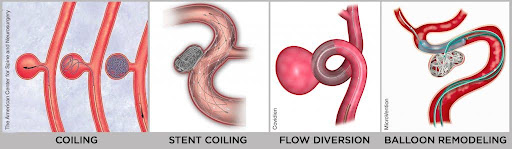
Minimally invasive endovascular surgery approaches

During these procedures, a small tube is inserted into the affected artery and positioned near the aneurysm.

  • In aneurysm coiling, specialized metal coils are then moved through the tube into the aneurysm, filling the aneurysm to prevent blood flow into the aneurysm to protect against the risk of rupture. Sometimes the use of a special metal cage called a “stent” can be used to assist the coiling.
  • Other times aneurysms can be treated with a specially-designed stent that diverts flow away from the aneurysm (called a flow-diverting stent).
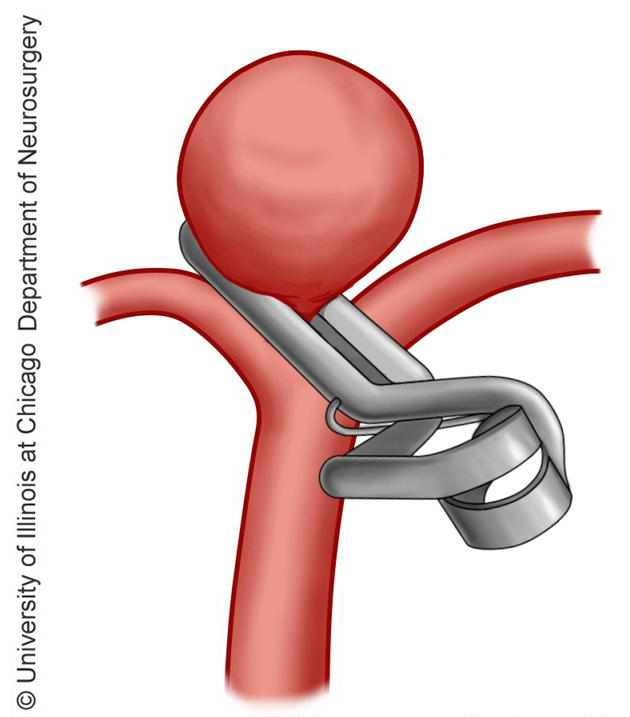
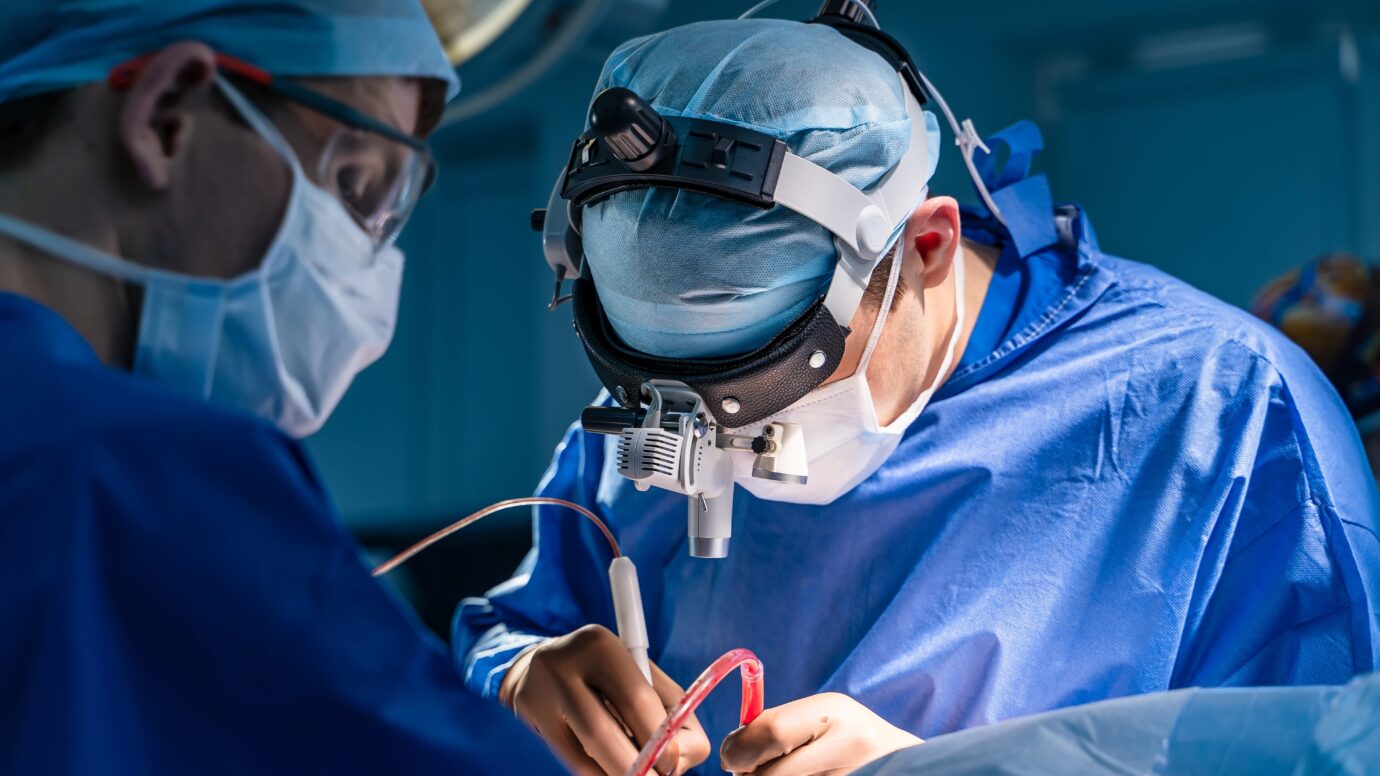
This surgery involves the use of an operating microscope to perform a microsurgery that involves placing a specialized metal clip around the aneurysm to completely isolate it from blood flow in order to protect against the risk of rupture.

While microsurgical clipping is thought to be a more durable treatment with less risk of recurrence than endovascular coiling, whether this is the optimal treatment option also depends on the location of the aneurysm, its size and shape, and the patient’s general health.

Patient Outcomes

Outcomes for patients with brain aneurysms vary widely depending on factors such as aneurysm size, location, whether it has ruptured, and the timeliness of treatment. Unruptured aneurysms that are diagnosed early and treated effectively generally have excellent prognoses with low complication rates.

For ruptured aneurysms, rapid emergency care is critical to minimize brain damage. Advances in surgical and endovascular techniques have significantly improved survival rates and functional recovery. Rehabilitation services, including physical, occupational, and speech therapy, are often essential parts of recovery for patients who experience neurological deficits.

Managing Your Condition

Managing A Brain Aneurysm

Managing a brain aneurysm involves careful monitoring and lifestyle adjustments to reduce risk factors that may contribute to aneurysm growth or rupture. If you have an unruptured aneurysm, your care team will discuss the best surveillance strategy and whether preventive treatment is recommended. Key strategies to manage your condition include:

Controlling Blood Pressure

Controlling high blood pressure through medication and diet

Quit Smoking

Quitting smoking and avoiding tobacco exposure

Healthy Diet & Exercise

Maintaining a heart-healthy diet and regular exercise routine

Limiting Alcohol Consumption

Avoiding heavy alcohol consumption

Regular Follow-Ups

Regular follow-up imaging to monitor aneurysm size and stability

Manage Stress

Managing stress and seeking mental health support when needed

When treatment is needed, options include minimally invasive endovascular procedures or microsurgical clipping, tailored to your specific aneurysm and overall health.

Care at PNI

Experience Compassionate, Expert Care

At Pacific Neuroscience Institute and our partner Providence hospitals across Southern California, our multidisciplinary team focuses on personalized treatment plans and comprehensive follow-up care to maximize patient outcomes and quality of life after diagnosis or intervention.

Our experts in stroke neurology, interventional neuroradiology, and vascular neurosurgery work together using a team-based approach to personalize treatment decisions for each specific aneurysm based on the location, size and shape of the aneurysm as well as the patient’s age, overall health, and additional risk factors.

FAQs + Resources

Learn More About a Brain Aneurysm

The prognosis depends on whether the aneurysm has ruptured. Unruptured brain aneurysms often have a good prognosis with proper monitoring and treatment. Ruptured aneurysms can cause serious brain injury or death but advances in emergency care and surgical techniques have significantly improved survival and recovery rates. Early diagnosis and individualized treatment are key to better outcomes.

Yes, many people survive brain aneurysms, especially if diagnosed early or treated promptly after rupture. Survival rates have improved due to advances in surgical clipping and endovascular coiling, as well as comprehensive critical care and rehabilitation services. However, a ruptured aneurysm is a medical emergency and requires immediate treatment to maximize chances of survival.

Many brain aneurysms cause no symptoms until they rupture. When symptoms occur, they may include:

  • Sudden, severe headache often described as the “worst headache of my life”
  • Nausea and vomiting
  • Neck stiffness
  • Sensitivity to light
  • Blurred or double vision
  • Seizures
  • Loss of consciousness

Brain aneurysms form when a weak spot develops in the wall of a brain artery, causing it to bulge. Causes include genetic factors, high blood pressure, smoking, aging, atherosclerosis, and certain inherited connective tissue disorders. Head injury and vascular disease may also contribute.

Treatment depends on aneurysm size, location, and rupture status. Options include:

  • Endovascular coiling: A minimally invasive procedure using coils to block blood flow into the aneurysm.
  • Surgical clipping: A microsurgical procedure where a clip is placed at the aneurysm’s base to stop blood flow.

Your care team will recommend the best approach tailored to your condition.

Certain factors can increase the risk of aneurysm rupture, including sudden increases in blood pressure from heavy lifting, intense physical exertion, stress, or certain medications. Controlling blood pressure and avoiding smoking help reduce risk.

While stress itself does not directly cause aneurysms, it can raise blood pressure temporarily, which may increase the risk of aneurysm growth or rupture. Managing stress and maintaining healthy blood pressure are important for brain aneurysm patients.

An unruptured aneurysm usually causes little to no pain. If an aneurysm presses on surrounding brain tissue or nerves, it may cause headaches or localized pain. A ruptured aneurysm causes a sudden, severe headache often described as excruciating and unlike any previous headache.

Brain aneurysms most commonly affect adults between ages 30 and 60. Women are slightly more at risk than men, especially after menopause. Risk factors include family history, high blood pressure, smoking, and certain genetic conditions.

Resources

Contact Us

Get Expert Care from Leading Specialists

For those diagnosed with a brain aneurysm, our specialists provide expert diagnosis and personalized treatment plans. We work closely with patients and their families to manage care, reduce risks, and improve outcomes with compassionate, comprehensive support.