Stroke
What is a Stroke?
Overview
A stroke is a serious medical emergency that happens when blood flow to part of the brain is interrupted or reduced, preventing brain tissue from getting the oxygen and nutrients it needs. This can occur when a blood vessel is blocked by a clot (ischemic stroke) or bursts (hemorrhagic stroke).
Sometimes referred to as a “brain attack,” a stroke causes brain cells to begin dying within minutes. The longer the brain is deprived of blood flow, the greater the potential for lasting damage. Stroke effects can vary widely, depending on which part of the brain is affected and how quickly treatment begins — making immediate medical attention critical.
Why It Matters
- In the U.S., nearly 800,000 people experience a stroke each year, making it the fifth leading cause of death.
- Stroke is the leading cause of long-term disability in adults.
Who is Affected
Stroke can happen to anyone at any age, but certain factors increase the risk. These include:
- Age: Risk increases significantly after age 55.
- Medical conditions: High blood pressure, high cholesterol, diabetes, and heart disease are major contributors.
- Lifestyle factors: Smoking, heavy alcohol use, poor diet, and lack of physical activity raise the risk.
- Family history: A close relative who has had a stroke increases your risk.
- Gender and race: Women and people of certain ethnic backgrounds (such as African American and Hispanic communities) may face higher risks.
Understanding these risk factors — and addressing the ones that can be managed — plays a key role in stroke prevention.
Stroke Symptoms & Causes
Stroke symptoms can appear suddenly and should always be treated as a medical emergency. The effects depend on the part of the brain affected and the severity of the blockage or bleeding. Common signs and symptoms include:
- A sudden, severe headache with no known cause
- Sudden weakness or numbness in the face, arm, or leg — often on one side of the body
- Sudden confusion, trouble speaking, or difficulty understanding speech
- Sudden vision problems in one or both eyes
- Sudden dizziness, loss of balance, or difficulty walking
How to recognize a stroke quickly (BE FAST):
- B – Balance – Sudden loss of balance.
- E – Eyes – Blurry vision in one or both eyes.
- F – Face – Drooping or numbness on one side.
- A – Arm – Weakness or numbness in one arm.
- S – Speech – Slurred speech or trouble understanding others.
- T – Time – Call 911 right away.
Types of Stroke
There are three main types of stroke:
- Ischemic Stroke (most common)
An ischemic stroke occurs when a blood clot blocks or narrows a blood vessel in the brain. About 87% of strokes are ischemic. This blockage deprives brain tissue of oxygen, leading to rapid cell death. - Hemorrhagic Stroke
Hemorrhagic strokes happen when a blood vessel in the brain ruptures, causing bleeding into or around the brain. This can result from high blood pressure, aneurysms, or vascular malformations. There are two main types:- Intracerebral Hemorrhage (ICH): Bleeding directly into the brain tissue, usually caused by uncontrolled high blood pressure or trauma.
- Subarachnoid Hemorrhage (SAH): Bleeding into the space between the brain and the thin tissues covering it, often caused by a ruptured aneurysm or head injury.
- Transient Ischemic Attack (TIA)
Often called a mini stroke, a TIA occurs when a temporary blockage briefly reduces blood flow to the brain. While symptoms usually resolve within minutes or hours, a TIA is a serious warning sign of future stroke risk.
Early recognition and treatment save lives and dramatically improve recovery outcomes.
Causes
A stroke happens when blood supply to part of the brain is blocked or when a blood vessel bursts, but the underlying causes vary depending on the type of stroke.
Ischemic strokes are the most common type, accounting for about 87% of all strokes. They occur when a blood clot or other obstruction blocks blood flow to the brain. Contributing causes include:
- Atherosclerosis: Buildup of fatty deposits (plaque) in the arteries that narrows or blocks blood flow.
- Blood clots (thrombus or embolus): Clots may form in the brain’s blood vessels or travel from elsewhere in the body (often the heart).
- Atrial fibrillation: An irregular heart rhythm that can cause clots to form in the heart and travel to the brain.
- Other heart conditions: Such as heart valve disease or heart attack, which increase clotting risks.
Hemorrhagic strokes occur when a blood vessel in or around the brain bursts, leading to bleeding that damages surrounding tissue. Causes include:
- Uncontrolled high blood pressure: The leading cause of hemorrhagic stroke.
- Aneurysms: Weak, bulging areas in a blood vessel wall that can rupture.
- Arteriovenous malformations (AVMs): Abnormal tangles of blood vessels that may rupture.
- Head trauma: Severe injury can damage brain blood vessels.
- Blood-thinning medications: Overuse or complications from anticoagulants can increase bleeding risk.
A TIA, often called a mini stroke, is caused by a temporary blockage of blood flow to the brain.
- Causes are similar to ischemic stroke: atherosclerosis, blood clots, and heart conditions such as atrial fibrillation.
- Unlike a full stroke, symptoms resolve quickly, but a TIA is a serious warning sign — many people who experience a TIA have a stroke within weeks or months if untreated.
When to See a Doctor
Seek emergency medical care immediately if you notice any signs of a stroke, even if symptoms go away. Don’t wait to see if symptoms improve.
Call 911 right away. Prompt treatment can limit brain damage, reduce disability, and maximize patient outcomes.
Stroke Diagnosis
Prompt and accurate diagnosis is critical for treating a stroke effectively. Because time lost equals brain lost, doctors work quickly to determine the type, location, and cause of a stroke to guide treatment.
How Stroke is Diagnosed
The care teams at Pacific Neuroscience Institute and Providence hospitals work with EMS crews as they transport the patient to the hospital. Often before the patient arrives at the emergency room, our specialists have gathered important information for prompt and accurate diagnosis. This includes:
- Reviewing medical history and symptoms: Understanding when symptoms began helps determine eligibility for certain treatments.
- Performing a physical and neurological exam: To assess strength, coordination, speech, vision, and reflexes.
Imaging Tests
Imaging is essential to distinguish between ischemic and hemorrhagic strokes, as treatments differ:
- CT (Computed Tomography) scan: Quickly identifies bleeding or major brain injury and is often the first test performed.
- MRI (Magnetic Resonance Imaging): Provides detailed images of brain tissue to detect smaller or earlier strokes.
- CT or MR angiography: Evaluates blood vessels for blockages, clots, or aneurysms.
Other Diagnostic Tests
- Blood tests: Check for clotting issues, infection, blood sugar levels, or other conditions that may affect treatment.
- Carotid ultrasound: Examines the neck arteries for narrowing or plaque buildup.
- Echocardiogram: Evaluates the heart for clots or structural abnormalities, especially in patients with atrial fibrillation or other heart conditions.
- Electrocardiogram (ECG): Detects irregular heart rhythms that may have caused a clot to travel to the brain.
Rapid diagnosis helps doctors decide whether clot-busting medications, procedures, or surgery are appropriate, improving outcomes and reducing long-term disability.
Stroke Treatment & Outcomes
Treatment Options
Immediate treatment is critical for improving stroke recovery. The sooner care begins, the better the chance of reducing brain damage and long-term disability. Treatments depend on the type of stroke:
Fast treatment of ischemic stroke in the hospital leads to better results. Our specialists use the most current and rapid evaluation techniques to quickly diagnose and treat patients.
- Supportive medical care:
Blood pressure, blood sugar, and other critical factors are carefully managed to protect brain function and prevent further injury. - Clot-busting medications (thrombolytics):
tPA (tissue plasminogen activator): Administered through an IV in the arm, tPA dissolves the blood clot and restores blood flow to the affected part of the brain. We aim to deliver tPA within 3 hours (and up to 4.5 hours for eligible patients) of symptom onset, significantly improving the chances of recovery. Unfortunately, many patients arrive too late for this therapy, which is why early recognition and immediate medical attention are critical. - Minimally invasive clot removal (mechanical thrombectomy):
For patients with large-vessel blockages, our experts perform mechanical thrombectomy, an advanced endovascular procedure. A catheter is threaded through an artery in the groin to the blocked brain artery, where a stent retriever — a small, wire mesh-like device — captures and removes the clot. This procedure can be done after tPA administration and should be performed as soon as possible after stroke symptoms appear.
Hemorrhagic strokes occur when a blood vessel ruptures, leading to bleeding in or around the brain. Treatment focuses on stopping the bleeding, reducing pressure on the brain, and preventing further complications. The exact approach depends on the type of hemorrhage:
Intracerebral Hemorrhage (ICH)
An intracerebral hemorrhage is bleeding directly into the brain tissue, most often caused by uncontrolled high blood pressure or trauma. Treatment aims to control the bleeding and relieve pressure:
- Blood pressure management: Carefully lowering blood pressure to reduce further bleeding.
- Reversal of blood thinners: Using medications to counteract anticoagulants if they contributed to the bleeding.
- Surgery (when indicated):
- Craniotomy: Removing part of the skull to drain pooled blood and relieve pressure on the brain.
- Minimally invasive hematoma evacuation: In select cases, small incisions and specialized tools are used to remove blood with less disruption to brain tissue.
- Neurocritical care: Monitoring for swelling, seizures, and other complications in a specialized intensive care unit.
Subarachnoid Hemorrhage (SAH)
A subarachnoid hemorrhage involves bleeding into the space between the brain and its thin covering (meninges), often caused by a ruptured aneurysm. Treatment targets both the cause of bleeding and its related complications:
- Aneurysm repair:
- Surgical clipping: Direct surgery to place a small clip at the base of the aneurysm, preventing further bleeding.
- Endovascular coiling (embolization): A minimally invasive approach where a catheter guides a tiny metal coil through the blood vessel to the aneurysm. The coil promotes clotting, sealing the aneurysm from within.
- Managing vasospasm:
- Nimodipine: An oral calcium channel blocker used to prevent and treat vasospasm, a dangerous vessel-narrowing complication that affects up to 30% of SAH patients and can last for two weeks or more after the initial bleed.
- Advanced ICU care: Carefully monitoring blood pressure, brain perfusion, and fluid balance to keep vessels open and ensure adequate blood flow to brain tissue.
- Preventing secondary injury: Close observation for seizures, hydrocephalus (fluid buildup in the brain), and other complications common after SAH.
Intensive Supportive Care
Both ICH and SAH patients are typically managed in a neurocritical care unit, where continuous monitoring and rapid interventions help reduce the risk of further brain injury and improve survival.
After a TIA (Mini Stroke)
Treatment focuses on stroke prevention using medications such as antiplatelets or anticoagulants, lifestyle changes, and sometimes procedures like carotid endarterectomy or stenting to improve blood flow and reduce future stroke risk.
Patient Outcomes
Stroke outcomes vary depending on stroke type, size, location, patient health, and how quickly treatment is received.
- Early treatment saves brain cells: Patients treated promptly often regain more function and have a better chance of recovery.
- Rehabilitation is essential: Physical therapy, occupational therapy, speech therapy, and cognitive rehabilitation help patients regain independence.
- Long-term effects: Some people experience lasting challenges with mobility, speech, memory, or daily activities, but ongoing therapy and support can significantly improve quality of life.
Important facts:
- Stroke is the primary cause of long-term disability in adults.
- Stroke is the primary cause of long-term disability in adults.
- Most people survive their first stroke, but the risk of another stroke is higher without proper prevention.
Managing A Stroke
Stroke Rehabilitation & Recovery
Recovery from a stroke doesn’t end at the hospital. Rehabilitation plays an essential role in regaining independence and improving quality of life. Our specialists create personalized recovery plans tailored to each patient’s needs.
Rehabilitation may include:
- Physical therapy: To improve strength, coordination, balance, and mobility.
- Occupational therapy: To help with daily activities such as dressing, cooking, and returning to work or hobbies.
- Speech-language therapy: To address speech, language, and swallowing difficulties.
- Cognitive and emotional support: Therapy and counseling to manage memory issues, mood changes, or depression that can occur after a stroke.
Our team also helps patients and their families develop long-term care strategies, including medication management, lifestyle changes, and education to reduce the risk of another stroke.
Why rehabilitation matters: The brain has an incredible ability to adapt and rewire itself (neuroplasticity), especially when therapy starts early and continues consistently. Many patients make significant improvements with the right support.
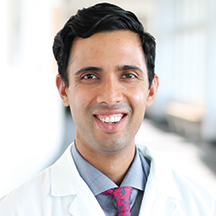
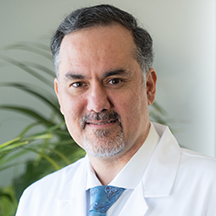
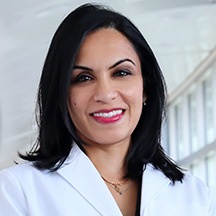
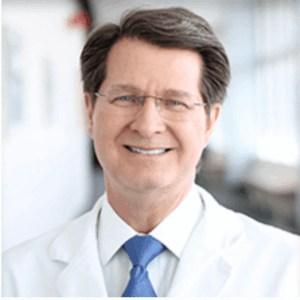
Meet our Expert Specialists & Surgeons

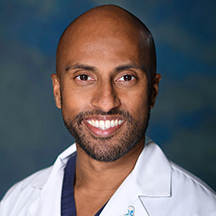
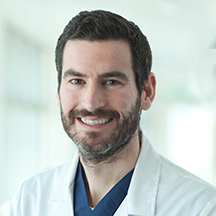
Experience Compassionate, Expert Care
At the Pacific Stroke & Neurovascular Center, our neurointerventional specialists deliver comprehensive, compassionate care for patients experiencing strokes and other cerebrovascular conditions. You can trust that you’ll receive the right care, at the right time, for the best possible outcomes.
- Multidisciplinary expertise: Our team includes neurologists, neurosurgeons, neurointerventional specialists, and rehabilitation experts who work together to provide seamless care.
- Rapid response: We offer one of the fastest door-to-device times in Los Angeles County for stroke treatment — meaning we can restore blood flow quickly and help preserve brain function.
- Personalized recovery: We support patients beyond the hospital stay with rehabilitation programs and guidance for long-term health and stroke prevention.
- Convenient access: With multiple locations across Southern California, our team is here when and where you need us.
Our Southern California locations include:
- Santa Monica
- Torrance
- Burbank
- Mission Hills

Patient Story: Fighting for Life After Stroke
A patient recollects a profound set of miracles at the worst time of his life in 2020 when he experienced a rare kind of stroke.
Joel Bautista is a forty-nine-year-old, extremely active father of four. But when a stroke hit, all of a sudden, he realized that health is a gift not to be taken for granted. Here is his story.
Learn More About Strokes
The first 72 hours are critical. During this time, doctors monitor brain swelling, blood flow, and other complications. Patients may receive treatments to restore circulation, reduce brain injury, and prevent another stroke. Recovery potential and rehabilitation needs are also evaluated during these first days.
A stroke happens when blood flow to the brain is interrupted. This can occur because of a blocked artery (ischemic stroke) or a burst blood vessel (hemorrhagic stroke). Both types deprive brain tissue of oxygen and nutrients, leading to brain cell damage.
The most common way to recognize a stroke is the FAST test:
- Face: Drooping on one side when smiling.
- Arms: Weakness or numbness in one arm.
- Speech: Slurred or strange speech.
- Time: Call 911 immediately if these signs appear.
Other symptoms may include sudden vision problems, severe headache, dizziness, or difficulty walking.
Even a mild stroke (sometimes called a minor stroke) requires emergency medical care. Treatment may include clot-busting medications, blood thinners, and addressing risk factors like high blood pressure, diabetes, or cholesterol. Early rehabilitation may also help prevent long-term problems.
Seek emergency care right away, even if symptoms improve quickly. Doctors may perform scans and tests to determine the cause and start treatment to prevent another stroke. Lifestyle changes, medications, and follow-up appointments are important next steps.
Do not ignore the event or delay medical evaluation. A mini stroke (also called a transient ischemic attack, or TIA) is a warning sign that a major stroke could follow. Avoid skipping prescribed medications, smoking, or neglecting medical follow-ups. Prompt treatment and risk factor management are essential.
Resources
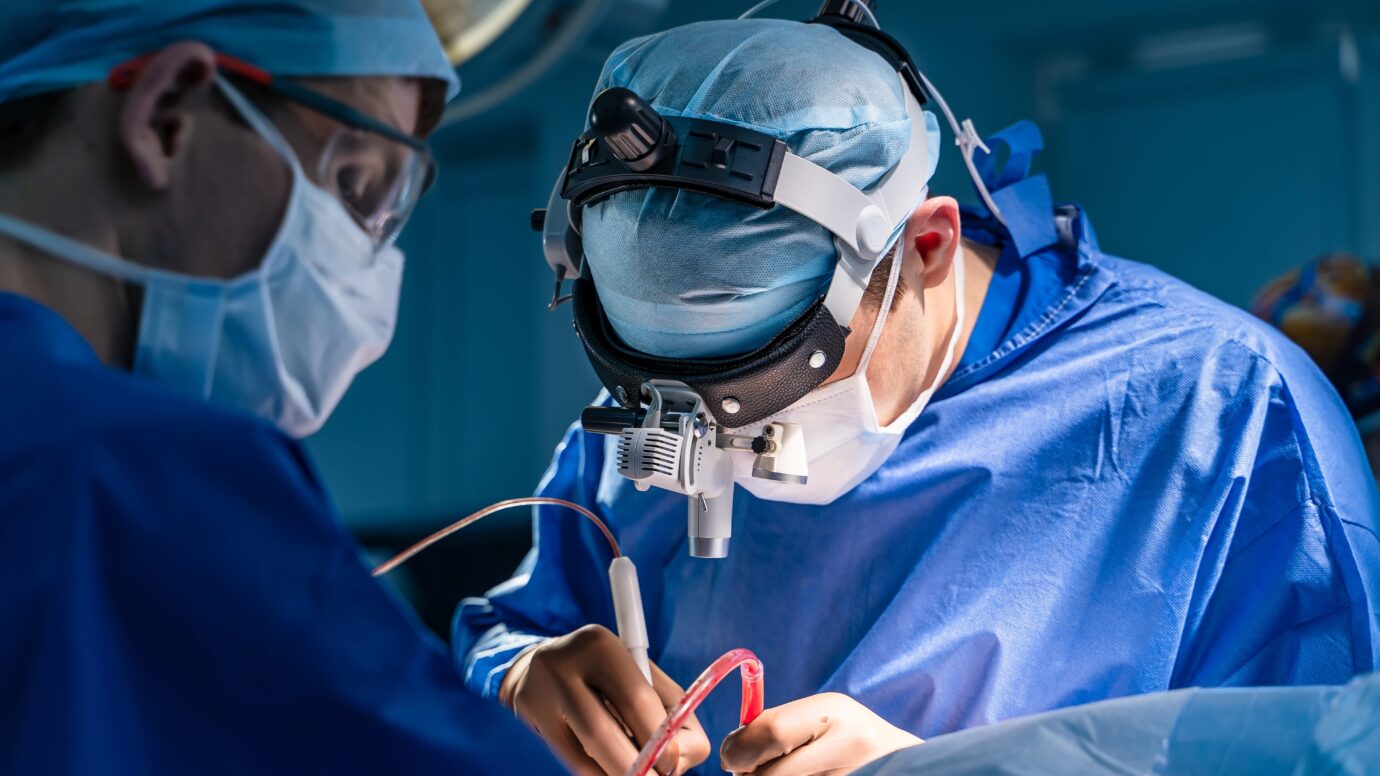
Get Expert Care from Leading Specialists
Contact Us
Providence Saint John’s Health Center
2125 Arizona Ave
Santa Monica, CA 90404
310-829-8319
Providence Little Company of Mary Medical Center Torrance
4201 Torrance Blvd #520
Torrance, CA 90503
424-212-5340
Providence Holy Cross Medical Center
15031 Rinaldi St, Mission Hills, CA 91345
818-847-6570
Providence Saint Joseph Medical Center
501 S. Buena Vista Ave
Burbank, CA 90505
818-847-6049
Written and reviewed by:
The Pacific Neuroscience medical and editorial team
We are a highly specialized team of medical professionals with extensive neurological and cranial disorder knowledge, expertise and writing experience.
Last Updated: