Transient Ischemic Attack
What is Transient Ischemic Attack (TIA)?
Overview
If an artery within the brain or one that supplies blood to the brain is blocked for a short time, blood flow slows or stops in that area. This can cause a transient ischemic attack (TIA), sometimes called a mini stroke. Unlike a stroke, a TIA does not cause permanent brain damage, but it serves as an important warning sign that a stroke could occur in the near future.
Who is Affected?
A TIA can happen to anyone, but certain factors increase the risk, including:
- Age: Over 55.
- Medical conditions: High blood pressure, high cholesterol, diabetes, or heart disease.
- Family history: Stroke or other vascular conditions.
- Lifestyle factors: Smoking, heavy alcohol use, and physical inactivity.
Transient Ischemic Attack Symptoms & Causes
Symptoms
Transient ischemic attacks usually come on suddenly and last only a few minutes. Most symptoms go away within an hour, and rarely last up to 24 hours. Even if symptoms resolve quickly, a TIA is a warning sign that you are at risk for a stroke.
Common symptoms of a TIA include:
- Sudden weakness, numbness, or paralysis in the face, arm, or leg—usually on one side of the body.
- Slurred speech or difficulty understanding others.
- Sudden vision problems, such as blindness in one or both eyes or double vision.
- Dizziness, loss of balance, or poor coordination.
You may experience more than one TIA, and symptoms can vary depending on the part of the brain affected. Even if symptoms go away quickly, don’t wait. Getting emergency care can save your life and reduce long-term damage.
BE FAST: Call 911 Immediately for Stroke Symptoms
The symptoms of a TIA and a stroke are essentially the same—and you cannot tell them apart without medical evaluation. If you experience these symptoms, call 911 or seek emergency care immediately.
- B – Balance – Sudden loss of balance.
- E – Eyes – Blurry vision in one or both eyes.
- F – Face – Drooping or numbness on one side.
- A – Arm – Weakness or numbness in one arm.
- S – Speech – Slurred speech or trouble understanding others.
- T – Time – Call 911 right away.
Causes
A transient ischemic attack happens when blood flow to part of the brain is briefly blocked. This is similar to an ischemic stroke, but unlike a stroke, the blockage is temporary and doesn’t cause lasting brain damage.
Most TIAs are caused by a buildup of fatty, cholesterol-containing deposits called plaques in the arteries—a condition known as atherosclerosis. These plaques can narrow blood vessels or trigger the formation of a clot that briefly blocks blood flow.
In some cases, a blood clot may travel from another part of the body, such as the heart, and lodge in a brain artery, causing a TIA.
When to See a Doctor
If you think you may be experiencing or have recently experienced a transient ischemic attack, seek emergency medical care immediately. TIAs are often a warning sign that a stroke could occur within hours or days. Prompt evaluation allows us to identify and treat underlying causes, which can significantly reduce your risk of a future stroke.
Transient Ischemic Attack Diagnosis
It is essential to determine the cause of a transient ischemic attack so that you and your healthcare professional can create a personalized stroke prevention plan.
To find the cause, your we may recommend:
- Blood tests to check for underlying health issues.
- Imaging scans, such as magnetic resonance imaging (MRI) or computed tomography (CT), to look at the brain and blood vessels.
- Ultrasound of the neck arteries to check for blockages.
- X-rays or other imaging to assess circulation.
- Heart tests (e.g., EKG or echocardiogram) to detect irregular heart rhythms or other heart-related problems.
TIAs occur when an artery briefly becomes blocked, or blood flow is temporarily rerouted, and then returns to normal—causing symptoms to disappear. However, a TIA is a serious warning sign that a stroke may follow.
- Within 2 days after a TIA, about 5% of people will experience a stroke.
- Within 3 months, 10–15% of people will have a stroke.
Prompt diagnosis and treatment can significantly lower these risks.
Transient Ischemic Attack Treatmentrn& Outcomes
Treatment Options
The main goal of treating a transient ischemic attack is to prevent a future stroke. The specific treatment depends on the underlying cause of the TIA. These treatments, along with regular medical follow-ups, can greatly lower the risk of another TIA or a major stroke. Your healthcare professional may recommend:
Lifestyle Changes
Eating a heart-healthy, low-salt diet, exercising regularly, maintaining a healthy weight, quitting smoking, and limiting alcohol use.
Medications
To manage high blood pressure, high cholesterol, diabetes, or heart disease. Blood-thinning medications may also be prescribed to prevent clots.
Procedures
If a blockage in the main neck artery (carotid artery) is found, surgery or stenting may be needed to open the artery and reduce stroke risk.
Patient Outcomes
While the symptoms of a TIA are temporary, the event is a critical warning sign. Up to 40% of people who experience a TIA will go on to have a stroke—often within days or months. Prompt treatment, lifestyle changes, and ongoing medical care can dramatically improve long-term outcomes and reduce stroke risk.
Managing Transient Ischemic Attack
Preventing another TIA or stroke requires a team approach between you and your healthcare providers.
This may include:
- Sticking to your medication plan as prescribed.
- Attending regular check-ups to monitor your health.
- Making long-term lifestyle changes to support brain and heart health.
- Knowing the signs of stroke and seeking immediate medical care if symptoms return.
Making healthy lifestyle changes can greatly reduce your risk of TIA and stroke:
- Quit smoking to improve overall vascular health.
- Eat a balanced, low-salt diet to help control blood pressure and cholesterol.
- Achieve and maintain a healthy weight.
- Exercise regularly to improve circulation and heart health.
- Limit alcohol intake to recommended levels.
By staying proactive and following your treatment plan, you can significantly lower your chances of a future stroke and maintain a better quality of life.
Meet our Expert Specialists & Surgeons
Experience Compassionate, Expert Care
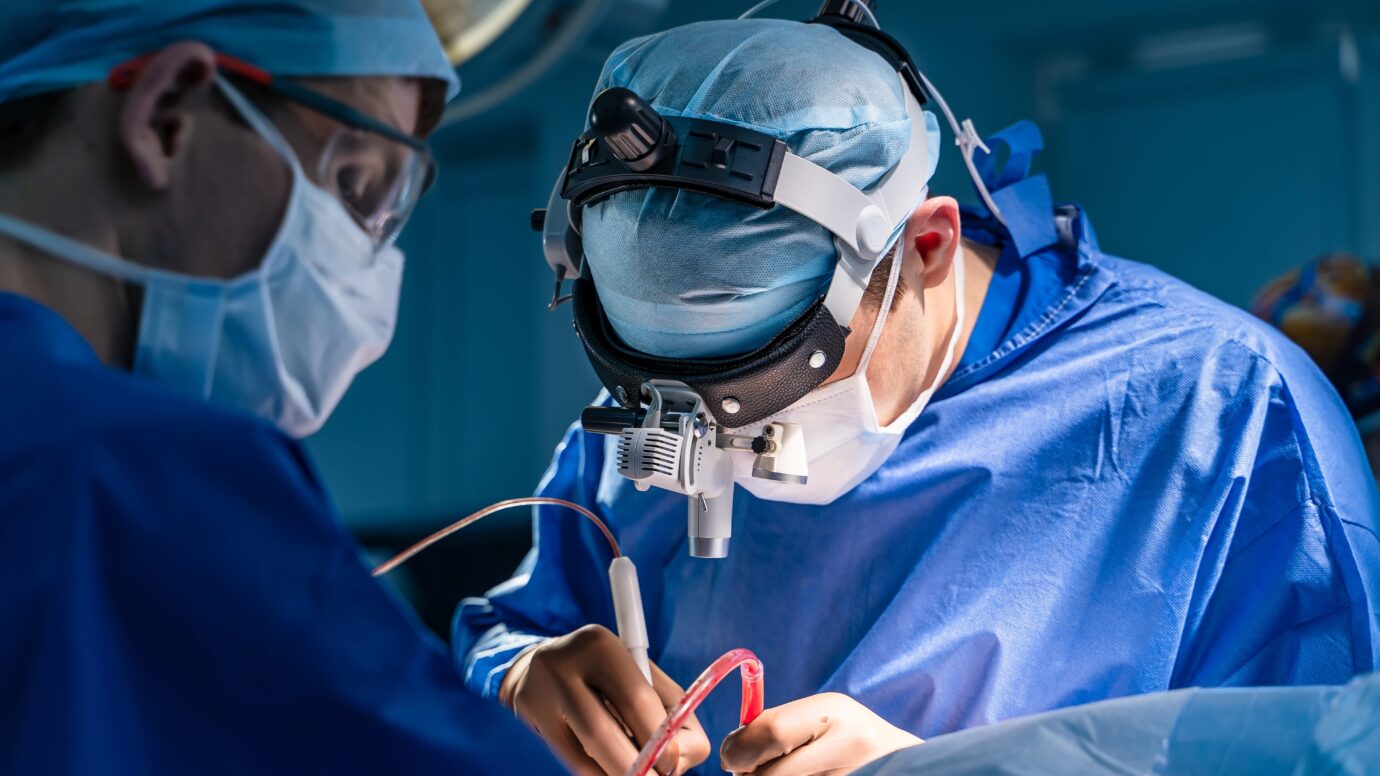
At the Pacific Stroke & Neurovascular Center, our neurointerventional specialists provide comprehensive, compassionate care for patients experiencing transient ischemic attacks (TIAs) and strokes. Our multidisciplinary team works closely with you to identify the cause of a TIA, develop a personalized stroke prevention plan, and support you in making long-term lifestyle changes for better brain and heart health.
With locations across Southern California, we deliver timely, expert treatment—including one of the fastest door-to-device times in Los Angeles County for stroke care. This means you can trust that you’ll receive the right care at the right time to improve outcomes.
Our Southern California locations include:
- Santa Monica
- Torrance
- Burbank
- Mission Hills
Learn More About Transient Ischemic Attack
If you experience TIA symptoms, call 911 or seek emergency care immediately—even if symptoms go away. In the hospital, doctors may run tests to identify the cause and may start treatment with medications like blood thinners or blood pressure drugs to lower your stroke risk.
The most common cause of a TIA is a blood clot that briefly blocks blood flow to part of the brain. This often happens due to atherosclerosis, a buildup of fatty deposits (plaques) in the arteries.
While there are no specific foods to avoid during an active TIA, long-term stroke prevention includes limiting salty, processed, and high-fat foods. Instead, focus on a heart-healthy diet rich in fruits, vegetables, whole grains, and lean proteins.
Stress itself doesn’t directly cause a TIA, but chronic stress can raise blood pressure and contribute to unhealthy habits, which may increase your risk of TIA or stroke.
Most TIAs happen suddenly without warning. However, a TIA itself often acts as a warning sign of a future stroke, especially in the first few days after the event. That’s why urgent medical care is critical.
Conditions such as migraines, seizures, low blood sugar, inner ear disorders, and even anxiety can cause symptoms similar to a TIA. Only a healthcare professional can tell the difference through evaluation and testing.
Resources

Get Expert Care from Leading Specialists
Providence Saint John’s Health Center
2125 Arizona Ave., Santa Monica, CA 90404
310-829-8319
Providence Little Company of Mary Medical Center Torrance
4201 Torrance Blvd., Suite 520, Torrance, CA 90503
424-212-5340
Providence Saint Joseph Medical Center
501 S. Buena Vista Ave., Burbank, CA 90505
818-847-6049
Providence Holy Cross Medical Center
15031 Rinaldi St, Mission Hills, CA 91345
818-847-6570
Written and reviewed by:
The Pacific Neuroscience medical and editorial team
We are a highly specialized team of medical professionals with extensive neurological and cranial disorder knowledge, expertise and writing experience.
Last Updated: