
Blog
What Is Cervical Dystonia?
Cervical dystonia is a localized, or focal, form of a neurological condition called dystonia. It is a very common movement disorder that affects mostly the muscles of the head and neck.

Cervical Dystonia: A Pain in the Neck
Many of our patients tell us that prior to being seen by us, their symptoms were dismissed by physicians or other providers. Because many movement disorders show no abnormalities on blood testing or imaging, patients are often told that there is “nothing wrong” and that they should learn to “live with it.”

Neurology and Neurosurgery High Level Performance Recognized at Providence Hospitals
Pacific Neuroscience Institute teams in Neurology and Neurosurgery contribute to High Performing Hospitals in US News & World Report rankings.

What to Know About Group Exercise for People with Neurologic Disorders
Pacific Neuroscience Institute's experts explain the benefits of group exercise for people with neurologic disorders.
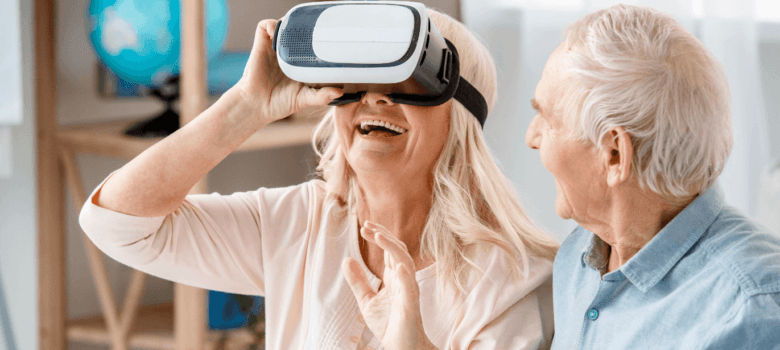
VR Games Could Offer Hope for Delaying Dementia
Virtual reality games that combine physical activity and brain-training may help slow cognitive decline in older adults, research at Pacific Neuroscience Institute suggests.

What is Parkinson’s Disease?
Parkinson’s disease is a progressive disease of the nervous system marked by tremor, muscular rigidity, and slow, imprecise movement.

Voting Open for 2023 U.S. News & World Report Best Hospitals
If you are registered on Doximity, and board-certified in one or more of the ranked medical specialties, you are eligible to vote for next year’s U.S. News & World Report Best Hospitals. Providence Southern California hospitals and affiliates are honored to have received more than...
Dr. Barbara Giesser Receives 2022 Ted M. Burns Humanism in Neurology Award
The American Academy of Neurology, American Brain Foundation, and Ted M. Burns Award selection committee announced Dr. Barbara Giesser, FAAN, FANA, as the recipient of the 2022 Ted M. Burns Humanism in Neurology Award.

PNI Founders’ Message 2022
At Pacific Neuroscience Institute, we are looking forward to what lies ahead with fresh excitement. Neurological diseases do not stop and neither have we.
The Role of Clinical Trials at PNI
Clinical trials are research studies that play a critical role in the advancement of clinical and medical knowledge about disease. At Pacific Neuroscience Institute (PNI), there are a number of upcoming and ongoing trials for patients with various neurological conditions.
Last updated: December 13th, 2021