Practical Nutrition Strategies for Brain Health During the Holidays & Beyond
From San Antonio to Your Holiday Table
In October 2026, I traveled to San Antonio, Texas, for the annual Food & Nutrition Conference & Expo (FNCE), where I had the opportunity to present on brain health during a particularly festive weekend. The city was alive with Muertos Fest celebrations honoring the Day of the Dead, adding vibrant color and culture to an already energizing event.
During our session, Feeding the Brain: Practical Nutrition Strategies for Cognitive Health, I shared how nutrition fits within a broader multimodal approach to brain health. We discussed the six pillars that support cognitive vitality: nutrition, exercise, restorative sleep, stress management, social connection, and cognitive engagement.
I was honored to co-present with Dr. Puja Agarwal of the Rush Alzheimer’s Disease Center, whose research continues to advance our understanding of how diet influences brain health. During our session, she shared some of the latest findings on the MIND diet, including updated recommendations that make it easier to translate the research into everyday food choices.
The MIND Diet: Small Choices, Big Impact
The MIND diet (Mediterranean-DASH Intervention for Neurodegenerative Delay) combines elements of the Mediterranean and DASH eating patterns and emphasizes foods associated with better cognitive health. Rather than focusing on a single “superfood,” the diet encourages a consistent pattern of brain-healthy eating.
Recent research highlighted at FNCE reinforced findings that have made the MIND diet so compelling. Individuals with the highest adherence to the diet have been shown to have a 35-50% lower risk of developing Alzheimer’s dementia and to experience cognitive aging comparable to being approximately 7.5 years younger than those with the lowest adherence.
To help translate the research into everyday choices, Dr. Agarwal shared updated targets for the foods most strongly associated with brain health:
- Green leafy vegetables: at least 1 serving daily
- Other vegetables: 2 or more servings daily
- Whole grains: 3 or more servings daily
- Nuts: 1 serving daily
- Beans and legumes: at least 3 servings weekly
- Berries: 5 or more servings weekly
- Fish: at least once weekly
- Poultry: at least twice weekly
- Olive oil as the primary cooking fat
- Limiting butter, fried foods, sweets, full-fat cheese, red and processed meats
The encouraging message is that perfection isn’t required. Small, sustainable dietary changes can add up over time.
Bringing MIND Foods to the Holidays
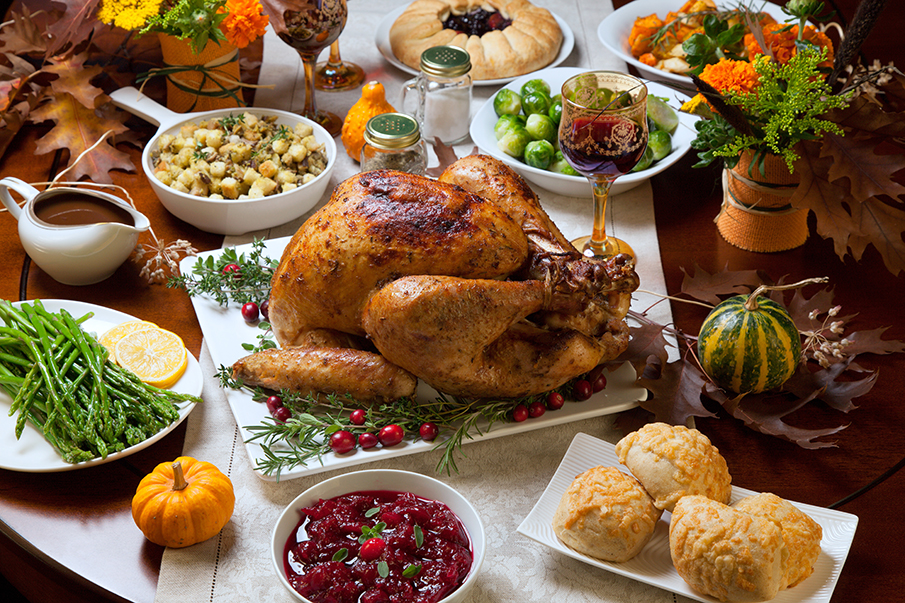
As we approach Thanksgiving and other holiday gatherings, many MIND-friendly foods fit naturally into seasonal traditions.
One simple strategy I use is serving a large green leafy salad alongside holiday meals. Dark greens such as spinach, kale, arugula, and mixed lettuces add color, freshness, and nutrients to the table while helping balance some of the heavier dishes we typically enjoy this time of year.
Cranberries are another seasonal favorite in my family. Every Thanksgiving, we serve a cranberry-avocado salsa inspired by an old Martha Stewart recipe. Fresh cranberries, avocado, red onion, cilantro, lime, and a touch of jalapeño create a colorful appetizer that’s always a hit. Better yet, it features several MIND-friendly ingredients and brings a bright, fresh flavor to a holiday table often filled with comfort foods.
And of course, November belongs to turkey. Poultry is one of the MIND diet’s recommended protein sources, making Thanksgiving turkey a brain-healthy tradition. A favorite post-Thanksgiving meal is turkey, vegetable, and wild rice soup. It combines three MIND diet staples, poultry, vegetables, and whole grains, into one nourishing and satisfying dish that’s perfect for a cozy autumn day.
Looking Ahead
The strongest message from the latest brain health research is that no single food, supplement, or activity determines our cognitive future. The greatest benefits come from combining healthy eating patterns such as the MIND diet with regular physical activity, quality sleep, stress management, meaningful social connections, and ongoing mental stimulation.
As we gather with family and friends this season, it’s encouraging to know that many of our favorite holiday foods can also support long-term brain health. Sometimes caring for the brain begins with something as simple as adding a salad, choosing more brain-healthy ingredients, and sharing a nourishing meal with the people we love. Through small choices, practiced consistently, we can support both our cognitive health and our enjoyment of the season.
Supporting Brain Health Through Lifestyle and Nutrition
The MIND diet is one important component of a brain-healthy lifestyle, and lasting brain wellness involves a more comprehensive approach. PNI’s Brain Wellness & Lifestyle Program helps individuals take proactive steps toward better brain health through personalized guidance and evidence-based lifestyle strategies designed to support cognitive health and overall well-being.
Learn more:
213-344-2037 | lifestyle@pacificneuro.org
About the Author