





Keyhole Surgery: Endoscopic Approach for Pituitary and Brain Tumor Removal
Keyhole brain surgery is a minimally invasive neurosurgical technique used to remove pituitary tumors and select brain tumors through small, precise openings. These advanced endoscopic approaches aim to reduce disruption to healthy brain tissue, shorten recovery time, and improve surgical outcomes when compared to traditional open brain surgery.
What is Keyhole Surgery?
In the past, traditional approaches to brain tumor removal always involved major surgery. In a recent paper published in Journal of Neuro-Ophthamology, Dr. Daniel Kelly and his colleagues detail how significant advances in surgical techniques over the past 20 years have changed the way brain surgery is performed.
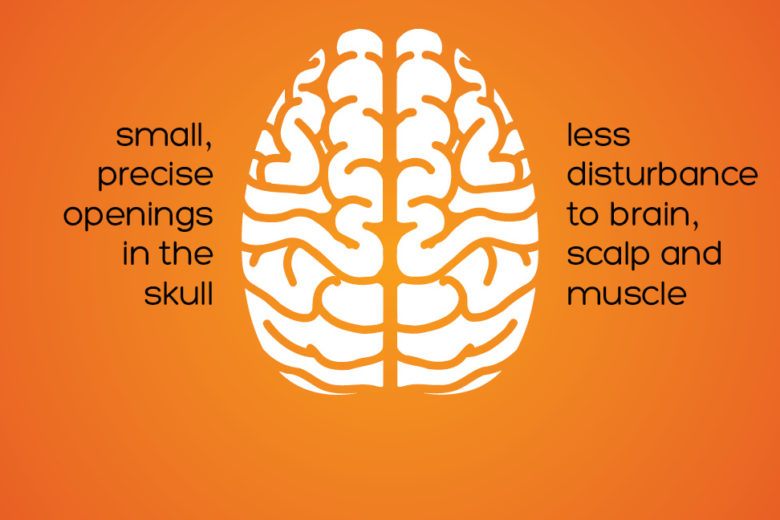
Now, removing tumors through smaller, more precise openings to minimize brain, scalp and muscle manipulation is possible for many types of brain tumors.
Called minimally invasive endoscopy, this keyhole surgical technique is an important advance often resulting in more successful patient outcomes and faster recovery.
How Keyhole and Endoscopic Brain Surgery Works
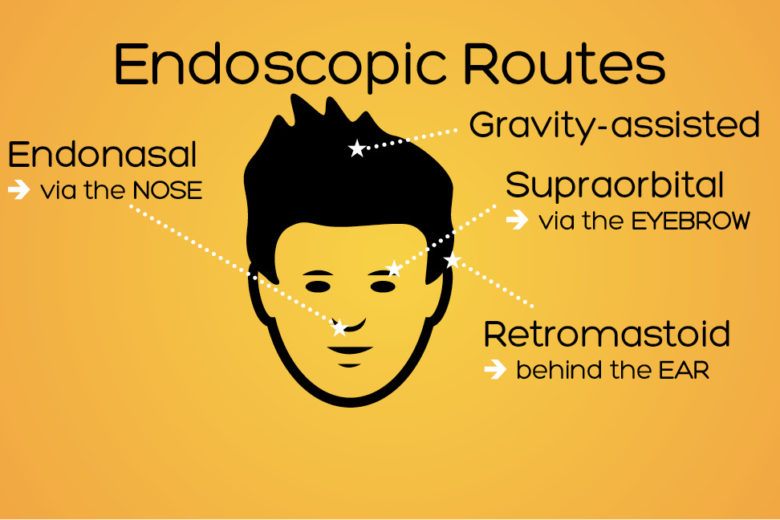
Neurosurgeons are able to make a small opening in the skull, see the brain using thin tubes fitted with a miniature camera (endoscope) and reach the tumor using finer instruments. Often this is done via the nose, called endonasal endoscopy. In other cases, different minimally invasive approaches may be more appropriate, including:
- the eyebrow approach (supraorbital craniotomy)
- an approach from behind the ear (retromastoid craniotomy)
- other keyhole craniotomy techniques such as gravity-assisted surgery
Conditions Treated With Keyhole Brain Surgery
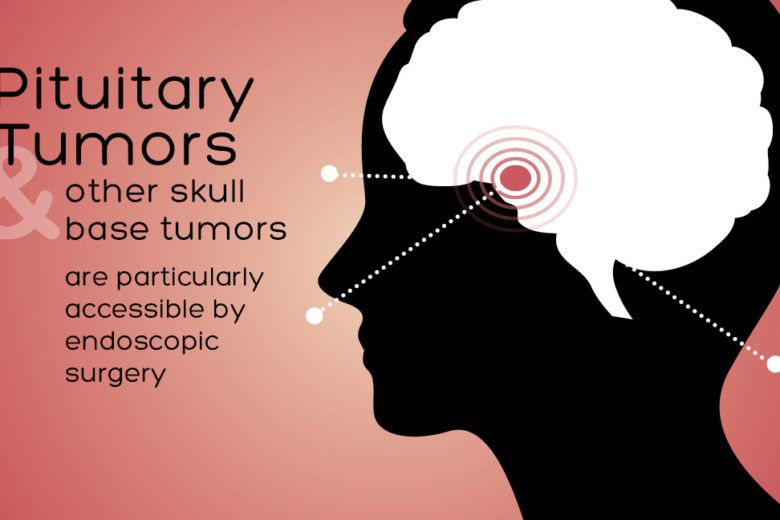
Patients with pituitary tumors or tumors near the pituitary gland—often associated with vision problems or eye movement abnormalities—are particularly good candidates for keyhole and endoscopic tumor removal.
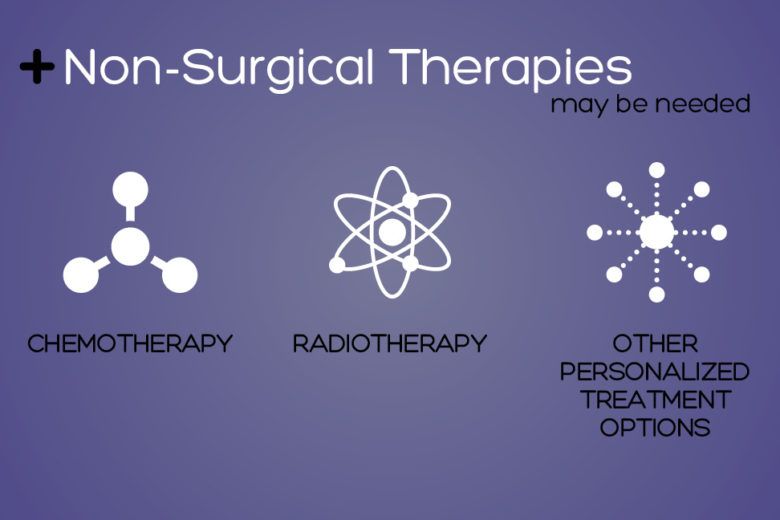
Depending on the prognosis, surgery may be used along with nonsurgical therapies including:
- chemotherapy
- radiotherapy
- other personalized treatment options.
Benefits of Minimally Invasive Keyhole Surgery
Compared to traditional open brain surgery, keyhole and endoscopic approaches may offer:
- smaller incisions
- less disruption of normal brain tissue
- reduced pain and scarring
- faster recovery times
- shorter hospital stays
Not all tumors are candidates for minimally invasive surgery; suitability depends on tumor type, size, and location.
Ongoing Advances in Keyhole and Endoscopic Neurosurgery
Minimally invasive approaches continue to evolve over time. To learn more about keyhole surgery, visit our video library and view the videos in the Pituitary Disorders section and brain tumors section.
Additional educational videos are also available on our youtube channel.
You may download the slideshow here.
Advanced Keyhole Brain Surgery at Pacific Neuroscience Institute
At Pacific Neuroscience Institute, minimally invasive keyhole and endoscopic brain surgery techniques are performed by experienced neurosurgeons as part of a multidisciplinary approach to brain and pituitary tumor care. These procedures are designed to maximize tumor removal while preserving neurological function and quality of life.
Learn more or request a consultation with the Brain Tumor and Pituitary Disorders teams at PNI.
About the Author

Last updated: February 5th, 2026