

Protecting Your Brain from Dementia, Depression and Anxiety
How Depression and Anxiety Affect Brain Health
Depression and anxiety are more than just feelings—they can have a real impact on brain health, especially as people age. These mood symptoms can show up years before memory problems, sometimes acting as early warning signs. Research shows that depression in later life can double or even triple the risk of developing dementia, including Alzheimer’s disease, and anxiety also increases the risk, though to a lesser degree.
Women are more likely than men to experience both depression and anxiety, and they also have a higher lifetime risk of Alzheimer’s disease. For example, about 10% of women over age 65 in the U.S. are living with dementia, compared to about 8% of men. Depression is also more common in women, with nearly 30% experiencing it at some point in their lives, compared to about 17% of men. Anxiety disorders are also more frequent in women, with a lifetime prevalence of 40% versus 26% in men.
The Role of the Amygdala in Mood and Memory
A key player in this story is the amygdala, a small, almond-shaped region deep in the brain. The amygdala helps process emotions like fear and happiness, and it’s tightly connected to the hippocampus, which is important for memory.
When someone feels anxious or depressed, the amygdala can become overactive, sending strong emotional signals that affect how memories are formed and stored. Stressful or emotional experiences may be remembered more clearly, but chronic stress or mood problems can actually harm memory over time.
In people with mild cognitive impairment or dementia, studies show that the amygdala often shrinks or loses connections with other brain regions, including the hippocampus. This can lead to problems with both mood and memory.
Gut Health and the Brain Connection
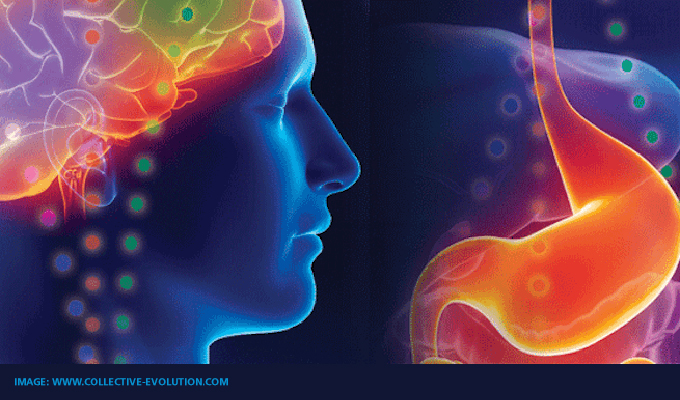
Gut health is also important for mood and cognition. The gut and brain are connected by the “gut-brain axis,” a communication system that includes nerves, hormones, and the immune system.
The trillions of bacteria in the gut (the microbiota) help produce and regulate neurotransmitters, including serotonin, which affects mood, sleep, and memory. In fact, most of the body’s serotonin is made in the gut, not the brain. Changes in gut bacteria can influence serotonin levels, inflammation, stress response, and even the risk of depression, anxiety, and cognitive decline.
What the Research Shows
Recent studies show that people with depression, anxiety, or dementia often have changes in their gut microbiota. These changes can lead to increased inflammation and altered serotonin signaling, which may worsen mood and memory problems.
Some research suggests that improving gut health—through a healthy diet, fiber, and possibly probiotics—may help support mood and cognitive function, though more studies are needed to confirm the best approaches.
Practical Steps to Protect Brain and Mood Health

What can be done to protect brain health, mood, and gut health? Here are some evidence-based, practical steps:
- Get moving: Regular physical activity, like walking, dancing, or gardening, can lower the risk of depression, anxiety, and dementia. Even 30 minutes a day makes a difference.
- Eat smart: Diets like the Mediterranean or MIND diet, rich in vegetables, fruits, nuts, fish, and olive oil, are linked to better brain health, slower cognitive decline, and healthier gut bacteria.
- Stay social: Connecting with friends, family, senior centers, volunteer programs, and community classes such as those at the Pacific Neuroscience Institute Lifestyle Programs can help protect against depression and keep the mind sharp.
- Challenge your brain: Reading, puzzles, learning new skills, or even trying a new hobby can keep memory strong.
- Prioritize sleep: Good sleep is essential for mood and memory. Aim for 7–8 hours a night and talk to your health care provider if sleep is a struggle.
- Manage stress: Mindfulness, meditation, yoga, or even a few deep breaths can help lower anxiety and improve mood.
- Support gut health: Eat plenty of fiber, fruits, and vegetables. Consider fermented foods like yogurt or kefir, which may help maintain healthy gut bacteria.
- Control health conditions: Managing blood pressure, cholesterol, diabetes, and weight is important for both brain and mood.
- Seek help for mood symptoms: Depression and anxiety are treatable. If sadness, worry, or hopelessness persist, reaching out to friends, family, and health care providers can make a big difference.
Getting More Support
While some risk factors—like age and genetics—cannot be changed, many others can. Making small, positive changes in daily life can help protect mood, memory, and gut health.
At Pacific Neuroscience Institute, our Brain Wellness & Lifestyle Program empowers people to take control of their brain health through personalized, evidence-based strategies. From nutrition and exercise guidance to stress management, cognitive training, and social engagement, the program is designed to help reduce risk factors for depression, anxiety, and dementia. Taking proactive steps today can make a meaningful difference in protecting your mood, memory, and overall brain health for years to come.
Useful Links
About the Author

Last updated: September 9th, 2025