
Keep Your Brain in Motion for Cognitive Wellness

Why Staying Mentally Active Matters at Every Age
As a brain health nurse practitioner, I work with individuals and families every day who are navigating the challenges and opportunities of aging. One of the most important—and often overlooked—aspects of healthy aging is cognitive wellness.
While we commonly focus on physical health through diet, exercise, and preventive care, it’s essential to recognize that the brain also requires ongoing stimulation and support to function at its best. Cognitive engagement is not just beneficial—it’s vital for maintaining mental clarity, memory, and independence over time. For caregivers, understanding this can be a key part of supporting a loved one’s health.
The good news?
Keeping your brain active can help support clearer thinking, stronger memory, and an overall better sense of well-being. In fact, studies on cognitive wellness suggest that regular mental stimulation may reduce the risk of memory loss and cognitive impairment associated with aging. This is an important part of overall health.
What Does “Brain Stimulation” Really Mean?
Think of it as a workout for your mind.
When you challenge your brain—whether by learning something new, solving puzzles, or engaging in meaningful conversations—you help maintain its flexibility and resilience. This ability of the brain to adapt and form new connections, known as neuroplasticity, is what allows us to continue learning and functioning at a high level promoting cognitive wellness throughout life. The concept of cognitive reserve refers to the brain’s ability to cope with disease or damage by using alternative brain networks.
Just like our muscles respond positively to physical activity, our brains benefit from ongoing cognitive engagement—and it’s never too late to start improving your brain health.
Simple, Everyday Ways to Keep Your Brain Engaged and Promote Cognitive Health
You don’t need advanced technology or formal coursework to support your brain health. Some of the most effective strategies for cognitive wellness are simple, enjoyable, and easy to incorporate into your daily routine:
- Keep Learning: Whether it’s a new hobby, language, or subject area, continued learning stimulates brain activity. Read books, take an online class, or explore topics that interest you.
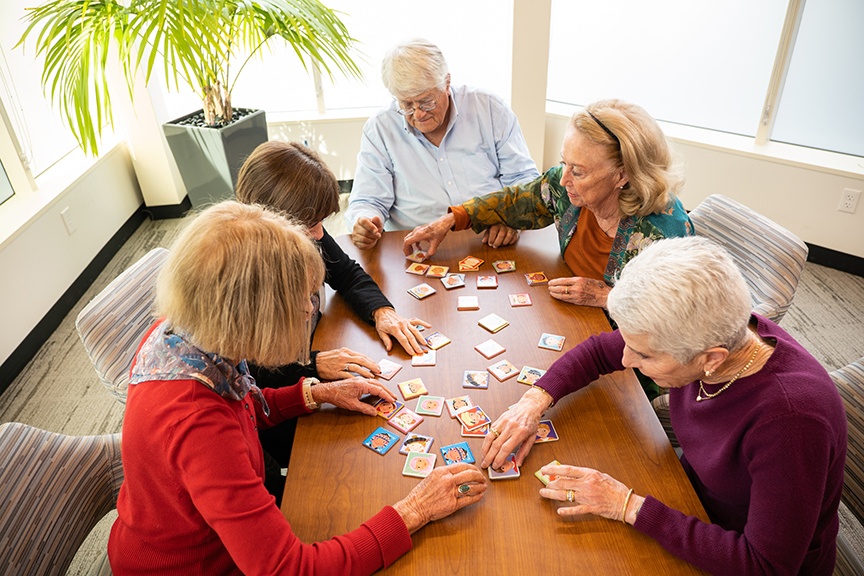
- Play Games: Engaging in puzzles, card games, or board games can enhance memory, attention, and problem-solving skills.
- Stay Social: Social interaction is a powerful cognitive tool. Join a club, call a friend, or participate in community activities to stay mentally connected. This can also help reduce the risk of decline.
- Get Creative: Activities like painting, gardening, cooking, writing, or playing music can inspire creativity and keep the brain curious and engaged.
- Practice Mindfulness: Mindfulness techniques such as deep breathing, meditation, or quiet reflection can help improve focus, regulate stress, and promote emotional balance.
The Pacific Neuroscience Institute’s Brain Wellness & Lifestyle Program is built on the latest research and is committed to improving cognitive health. We have a special focus on conditions like Alzheimer’s disease and other forms of cognitive decline.
You’re Not Alone on This Journey
At the Pacific Neuroscience Institute’s Brain Wellness & Lifestyle Program, we offer a range of cognitive training classes—available both virtually and in-person—designed specifically for older adults. These evidence-based programs focus on strengthening memory, attention, and reasoning skills in a supportive and structured setting. Our goal is to help you maintain your overall health.
It’s never too early—or too late—to invest in your brain health.
Staying mentally active isn’t just about preventing decline—it’s about enhancing your quality of life and maintaining independence, curiosity, and connection as you age.
About the Author
