
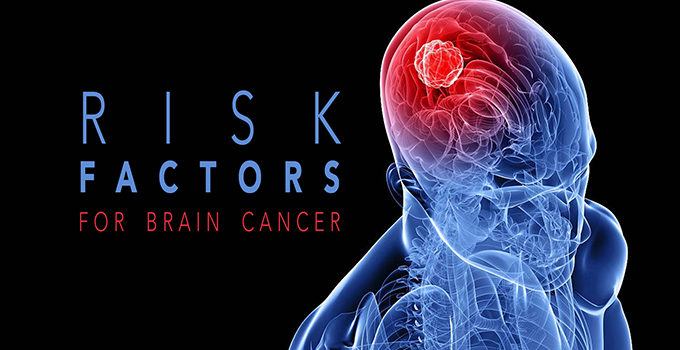
Brain Cancer Causes and Risk Factors: Why did I get a Brain Tumor?
Originally published February 8, 2016; Updated August 29, 2024
Being diagnosed with a brain tumor often leads to one of the most common and difficult questions patients ask: “Why did I get a brain tumor?” Unfortunately, in most cases, there is no single, clear cause. Brain tumors—including brain cancer, pituitary tumors, and skull base tumors—often develop without an identifiable trigger.
Understanding known risk factors can provide context, but it is important to note that many people with brain tumors have no known risk factors at all.
At this time, seeking out experienced neurosurgeons and high quality neuro-oncological care is the most effective way we have of addressing brain, pituitary and skull base tumors. Looking at risk factors can give us some insight but nothing definitive.
The following is excerpted from Cancer.net.
A risk factor is anything that increases a person’s chance of developing a brain tumor. Although risk factors often influence the development of a brain tumor, most do not directly cause a brain tumor. Some people with several risk factors never develop a brain tumor, while others with no known risk factors do. However, knowing your risk factors and talking about them with your doctor may help you make more informed lifestyle and health care choices. At this time, there are no known ways to prevent a brain tumor.
What Causes Brain Cancer
Most of the time, the cause of a brain tumor is unknown. However, the following factors may raise a person’s risk of developing a brain tumor:
Age
Brain tumors are more common in children and older adults, although people of any age can develop a brain tumor.
Gender
In general, men are more likely than women to develop a brain tumor. However, some specific types of brain tumors, such as meningioma, are more common in women.
Home and work exposures
Exposure to solvents, pesticides, oil products, rubber, or vinyl chloride may increase the risk of developing a brain tumor. However, there is not yet scientific evidence that supports this possible link.
Family history and genetics
About 5% of brain tumors may be linked to hereditary genetic factors or conditions, including:
- Li-Fraumeni syndrome
- Neurofibromatosis
- Nevoid basal cell carcinoma syndrome
- Tuberous sclerosis
- Turcot syndrome
- von Hippel-Lindau disease
Scientists have also identified “clusters” of brain tumors within some families without a known genetic explanation. Research is ongoing.
>>This American Brain Tumor Association’s webinar goes into more detail about each of these risk factors particularly concerns regarding family history.
Infections, viruses, and allergens
Infection with the Epstein-Barr virus (EBV) increases the risk of CNS lymphoma. EBV is more commonly known as the virus that causes mononucleosis or “mono”. High levels of cytomegalovirus (CMV) have also been found in some brain tumor tissue, though the clinical significance is still being studied.
Electromagnetic fields
Most studies evaluating the role of electromagnetic fields—including power lines and cell phone use—show no clear link to an increased risk of developing a brain tumor in adults. Due to conflicting data in children, the World Health Organization (WHO) recommends limiting cell phone use and using hands-free devices when possible.
Interestingly, electromagnetic fields are also being used therapeutically. Tumor Treating Fields (TTFields), an FDA-approved therapy for glioblastoma, use electromagnetic energy to disrupt cancer cell division.
Race and ethnicity
In the United States, Caucasian people are more likely to develop gliomas but less likely to develop meningioma than African American people. Also, people from northern Europe are more than twice as likely to develop a brain tumor as people in Japan.
Ionizing radiation
Previous treatment to the brain or head with ionizing radiation, including x-rays, has shown, in some cases, to be a risk factor for a brain tumor.
Head injury and seizures
Serious head trauma has long been studied for its relationship to brain tumors. Some studies have shown a link between head trauma and meningioma, but not one between head trauma and glioma. A history of seizures has long been associated with brain tumors, but because a brain tumor can cause seizures, it is not known if seizures increase the risk of brain tumors, if seizures occur because of the tumor, or if anti-seizure medication increases the risk.
Dietary N-nitroso compounds
N-nitroso compounds, found in cured meats, cigarette smoke, and some cosmetics, may increase brain tumor risk. More research is needed to confirm this association.
Exposure to nerve agents
Some studies suggest increased brain tumor risk in Gulf War veterans exposed to nerve agents, though further research is required.
Frequently Asked Questions
What are Brain Tumor Symptoms?
Brain cancer symptoms can vary depending on the tumor’s location, size, and growth rate. Common symptoms include:
- Persistent or worsening headaches
- New-onset seizures
- Memory problems or confusion
- Weakness or numbness in limbs
- Balance or coordination problems
- Vision, hearing, or speech changes
Early evaluation is critical. If symptoms persist or worsen, medical imaging and specialist consultation are recommended.
How Common are Brain Tumors?
Brain tumors, while relatively rare, affect a significant number of individuals each year. In the United States, approximately 80,000 people are diagnosed with brain tumors annually. These tumors can be either benign or malignant, with varying levels of severity and symptoms.
Key statistics include:
- Incidence Rate: About 23 cases per 100,000 people each year.
- Age Factor: More common in older adults, but can occur at any age.
- Types: Over 120 different types of brain tumors exist, each with distinct characteristics.
Patients may experience symptoms such as persistent headaches, seizures, cognitive changes, and motor or sensory impairments. Early detection is crucial for effective treatment and better outcomes. Regular medical check-ups and awareness of symptoms can lead to timely diagnosis.
typical treatments for brain tumors?
Typical treatments for brain tumors vary based on the type, size, and location of the tumors, as well as the patient’s overall health. Surgery for a brain tumor is often the first step to remove as much of the tumor as possible.
Key treatments include:
- Surgery: Removes the tumor or reduces its size, alleviating symptoms.
- Radiation Therapy: Targets remaining cancer cells post-surgery or serves as the primary treatment when surgery isn’t feasible.
- Chemotherapy: Uses drugs to kill cancer cells, often in combination with radiation.
- Targeted Therapy: Focuses on specific molecules involved in tumor growth, offering a more precise approach.
- Immunotherapy: Boosts the body’s immune system to fight cancer cells more effectively.
Supportive care may include steroids, anti-seizure medications, and rehabilitation.
Does brain cancer spread fast?
The speed at which brain cancer spreads can vary significantly based on the type of tumor. High-grade brain tumors, such as glioblastomas, tend to grow and spread rapidly. These aggressive tumors infiltrate surrounding brain tissue quickly, leading to worsening symptoms in a short period.
Conversely, low-grade tumors grow more slowly and might not spread as aggressively.
Factors affecting the spread include:
- Tumor Type: High-grade gliomas spread faster than low-grade tumors.
- Location: Tumors in certain brain areas may affect vital functions more quickly.
- Treatment Response: How the tumor responds to initial treatments can influence its growth rate.
Symptoms such as headaches, seizures, and cognitive changes can worsen rapidly with high-grade tumors.
If you would like a second opinion or evaluation for a brain tumor diagnosis, contact the Brain Tumor Center at Pacific Neuroscience Institute at 310-582-7640 to connect with our brain tumor and neuro-oncology specialists.
About the Author

Last updated: February 5th, 2026