Beyond Surgery: Why Medical Mission Trips Matter
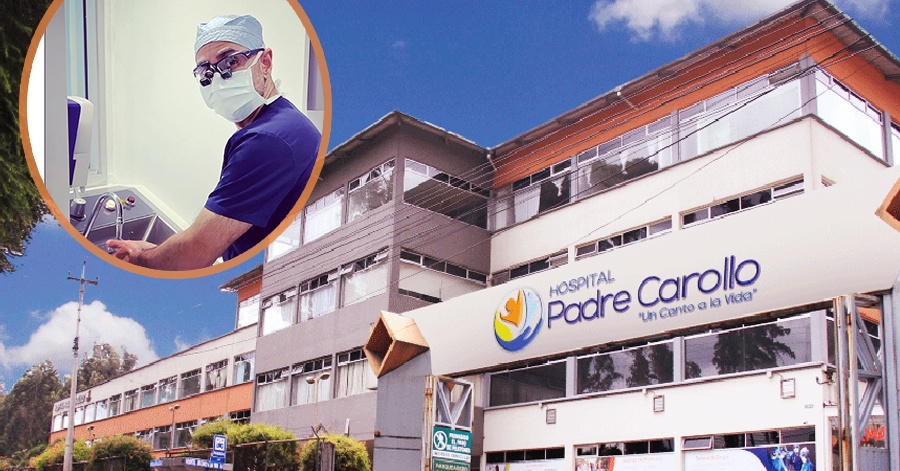
Reflections From a Microtia Mission to Ecuador
In April 2026, I had the privilege of traveling with HUGS (Help Us Give Smiles) Foundation to Quito, Ecuador, to participate in an annual microtia surgical mission alongside an extraordinary team of surgeons, anesthesiologists, nurses, medical assistants, and volunteers from across the United States.
Microtia is a congenital condition in which the external ear is underdeveloped. Together, we performed more than 54 surgeries in a single week! We provided life-changing care to children and families who otherwise may not have had access to specialized treatment.
The days were long, the work was demanding, and the emotional moments were unforgettable. By the end of the week, there were tears of joy from patients, parents, and medical team members alike.
While the surgeries themselves were meaningful, the experience also served as a reminder of the profound impact medical mission work can have—not only on those receiving care, but also on those providing it.
Addressing Global Gaps in Specialized Care
Around the world, millions of people lack access to specialized surgical care. While many countries have talented healthcare professionals working tirelessly within their local healthcare systems, access to highly specialized procedures like microtia reconstruction can be limited by geography, economic barriers, shortages of trained specialists, or limited healthcare infrastructure.
Medical mission trips help bridge some of these gaps by bringing together multidisciplinary teams capable of providing advanced care, training local providers, and supporting healthcare systems in underserved communities.
In Central and South America, microtia is significantly more prevalent compared to global baselines. Rates in Latin America are notably elevated among Hispanic and Indigenous populations, particularly in high-altitude regions of the Andes where Quito is located.
For children born with microtia, access to reconstructive surgery can be particularly challenging. These procedures require specialized expertise, equipment, anesthesia support, and coordinated postoperative care.
More Than an Operation
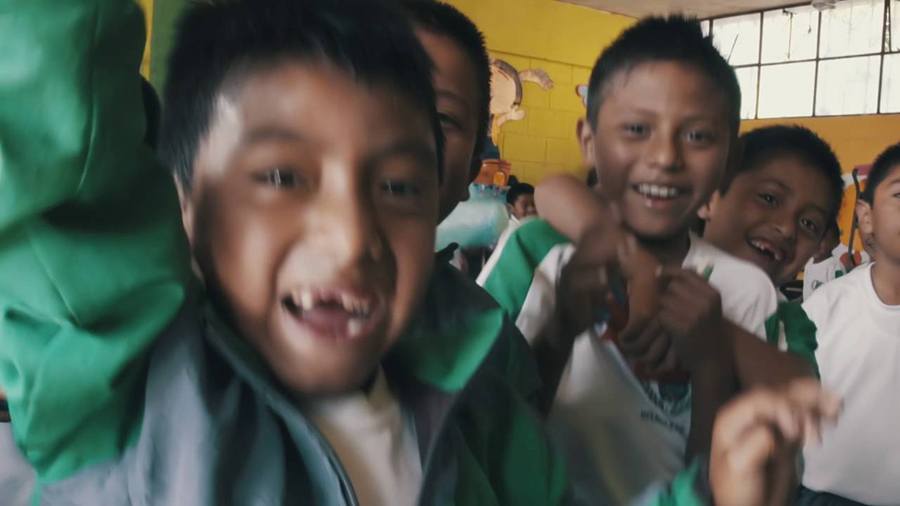
The impact of HUGS Foundation surgical mission work extends far beyond the operating room.
For many families, receiving care means gaining confidence, improving communication abilities, enhancing social interactions, and reducing the stigma that can sometimes accompany visible differences. In the case of microtia and related hearing conditions, treatment can influence educational opportunities, social development, and long-term quality of life.
One of the most inspiring aspects of these trips is witnessing the resilience of patients and families. Despite significant challenges, they arrive with hope, determination, and trust in the medical teams caring for them.
During our trip, several children returned for their second or third surgeries. Their family members had not only taken time away from their busy professions to make these trips possible but also had traveled several hours to reach the hospital. Meeting our surgeons and medical team, the children could not hide their happiness and excitement at the prospect of receiving this life-changing care.
These personal connections serve as a powerful reminder that healthcare is ultimately about people—not procedures.
The Power of Collaboration
Successful medical missions are built on teamwork.
The HUGS Foundation Ecuador mission brings together specialists from multiple disciplines and institutions, each contributing unique expertise. Facial plastic surgeons like me work alongside anesthesiologists, nurses, surgical technologists, medical assistants, translators, coordinators, and local healthcare professionals. Every role is essential.
When a team performs dozens of surgeries within a compressed timeframe, efficiency, communication, and trust become critical. The collaborative environment often mirrors the best aspects of medicine: highly skilled professionals united by a shared purpose.
Our team was led by Dr. Paul Sabini and HUGS founder Dr. Vito Quatela who have been traveling to Ecuador for over 20 years to help children with congenital microtia. The team also included Dr. Tessa Hadlock who was a member from the very first trip as well. In addition to microtia surgery, Dr. Hadlock also performed facial reanimation for those in need. We were joined by Dr. Ming Gray, Dr. Catherine Weng and Dr. Liliana Ein all of whom are facial reconstructive experts in their own right.
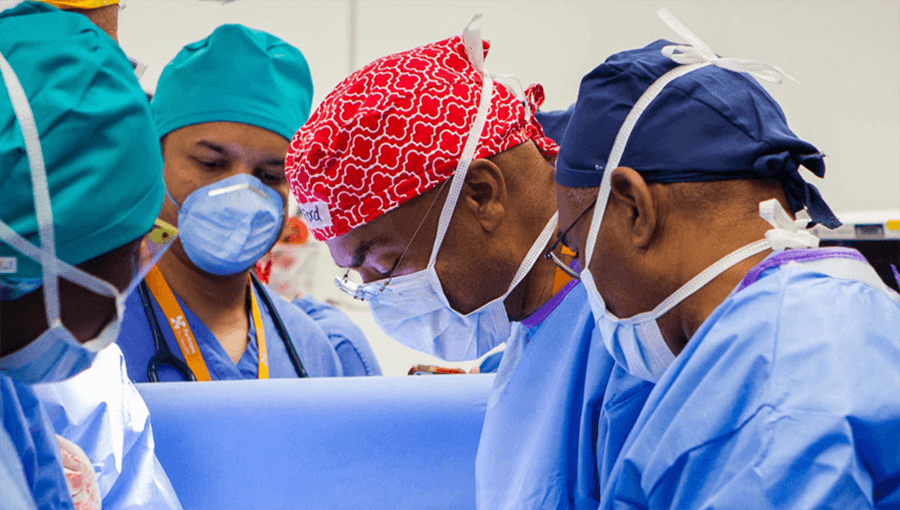
Each operating room accommodated two surgeons who worked tirelessly to perform two and sometimes three major surgeries each day.
The partnerships among surgeons not only improve patient outcomes but also create opportunities for professional growth and knowledge sharing among surgeons from different backgrounds.
The Organizations That Make it Possible
Medical missions of this scale do not happen without tremendous planning and support.
Organizations dedicated to humanitarian healthcare play a vital role in identifying patient needs, coordinating logistics, securing equipment and supplies, organizing local partnerships, and ensuring continuity of care after visiting teams depart.
For the Ecuador mission, HUGS Foundation and the mission leadership team worked tirelessly behind the scenes to create an opportunity for patients to receive specialized care that otherwise might not have been available.
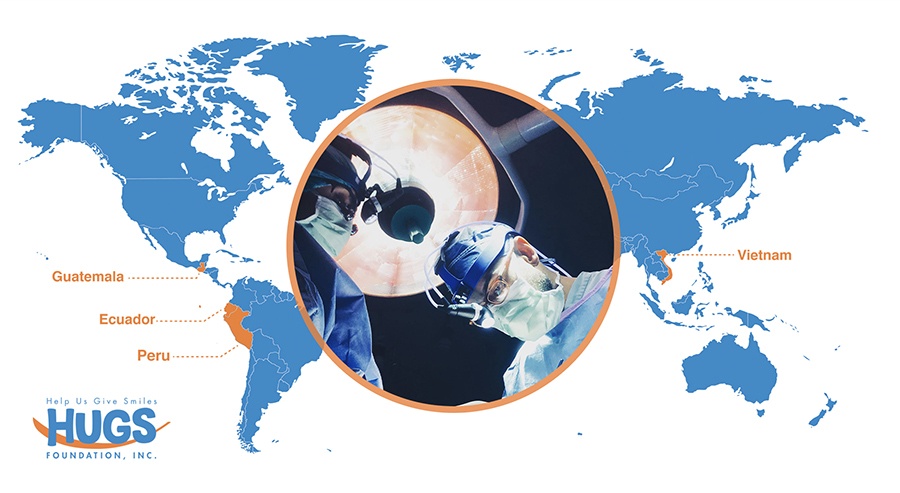
Their efforts reflect a broader movement within global health: building sustainable partnerships that empower communities while delivering meaningful medical services. The annual medical trips that HUGS Foundation supports are performed in underdeveloped countries including, Vietnam, Guatemala, Peru and Ecuador. Since its inception in 2003, the medical mission teams have gone on 51 mission trips and have performed over 2700 surgical procedures. The volunteers dedicate their time, knowledge and passion to help change children’s lives.
In Ecuador and the other locations that HUGS also partners with, local surgeons play a vital role in the team’s success. They assist with identification of surgical candidates, and immediate and long-term post-operative management. During this recent trip, several plastic surgery residents and medical students directly participated in the operating room. They received valuable training in microtia reconstruction that they might not otherwise have had the opportunity to experience.
Why Physicians Continue to Volunteer
As a medical student, I had the opportunity to travel to Haiti’s Plateau Central region. The experience left a lasting impression on me and reinforced my belief that physicians have a responsibility to use their skills in service of others whenever possible.
Like many physicians, however, I found that balancing professional responsibilities, training, and family life made it difficult to prioritize mission work. Years passed, and while I never forgot the importance of those experiences, I did not always make time for them.
Returning to humanitarian surgical work in Ecuador reminded me why these opportunities matter.
They remind us that medicine is both a science and a service. They reconnect us with the reasons many of us chose healthcare in the first place. They challenge us to think beyond our own communities and recognize the universal need for compassion, dignity, and access to care.
Just as importantly, they remind us that even a single surgery can change the trajectory of a person’s life.
Looking Toward the Future
Global healthcare challenges are complex and cannot be solved through short-term missions alone. Sustainable progress requires investment in local healthcare systems, education, training, infrastructure, and long-term partnerships.
However, medical mission trips remain an important part of that effort. When thoughtfully organized and conducted in collaboration with local providers, they can deliver specialized care, share expertise, strengthen professional relationships, and offer hope to patients and families facing significant barriers to treatment.
My time in Ecuador reinforced a lesson I first learned years ago as a medical student: the impact of service extends far beyond the moment care is delivered. It stays with patients, families, communities, and healthcare providers long after the trip has ended.
I cannot predict exactly what future opportunities will arise, but I do know this experience has renewed my commitment to finding ways to serve. Whether through surgery, education, mentorship, or collaboration, there will always be opportunities to help—and those opportunities are worth making a priority.
About the Author