
From Facial Droop to Recovery: A Patient’s Journey to Hemifacial Spasm Treatment

A Mysterious Facial Droop Leads to Diagnosis
For years, Jay K. lived with a persistent facial droop affecting the right side of his face. Despite seeing a local neurologist, no clear diagnosis emerged. It wasn’t until an eye doctor suggested getting a brain MRI to investigate that the real cause came to light.
The imaging of his possible hemifacial palsy revealed compression of the 7th and 8th cranial nerves, likely caused by a Type I AICA loop—a condition that explained both the facial droop and associated spasms and symptoms.
This marked the beginning of Jay’s journey toward effective hemifacial spasm treatment and long-awaited relief.
Finding Specialized Hemifacial Spasm Treatment at PNI
Jay, 71, a cancer scientist, has dedicated much of his life to researching a treatment he believes could change the way we fight cancer. He published three scientific papers on a novel approach called GEIPE—universal, non-toxic, and effective. Unfortunately, because it isn’t patentable, the treatment hasn’t been widely explored, even though the National Cancer Institute, City of Hope, and MD Anderson Cancer Center in Houston have recognized its potential.
Determined to better promote his work as well as solve his mystery illness, Jay’s path led him to Dr. Melita Petrossian, neurologist at Pacific Neuroscience Institute’s Movement Disorders Center. After a thorough review of the facial droop and his case, she recommended microvascular decompression (MVD) surgery—and referred him to none other than her brother, Dr. Garni Barkhoudarian, neurosurgeon at PNI. This referral was a turning point in Jay’s treatment approach and marked a shift toward resolving his hemifacial spasm with long-term success. Jay adds with a smile, “In this case, nepotism was good!”
Surgical Solution: Microvascular Decompression for Facial Spasms
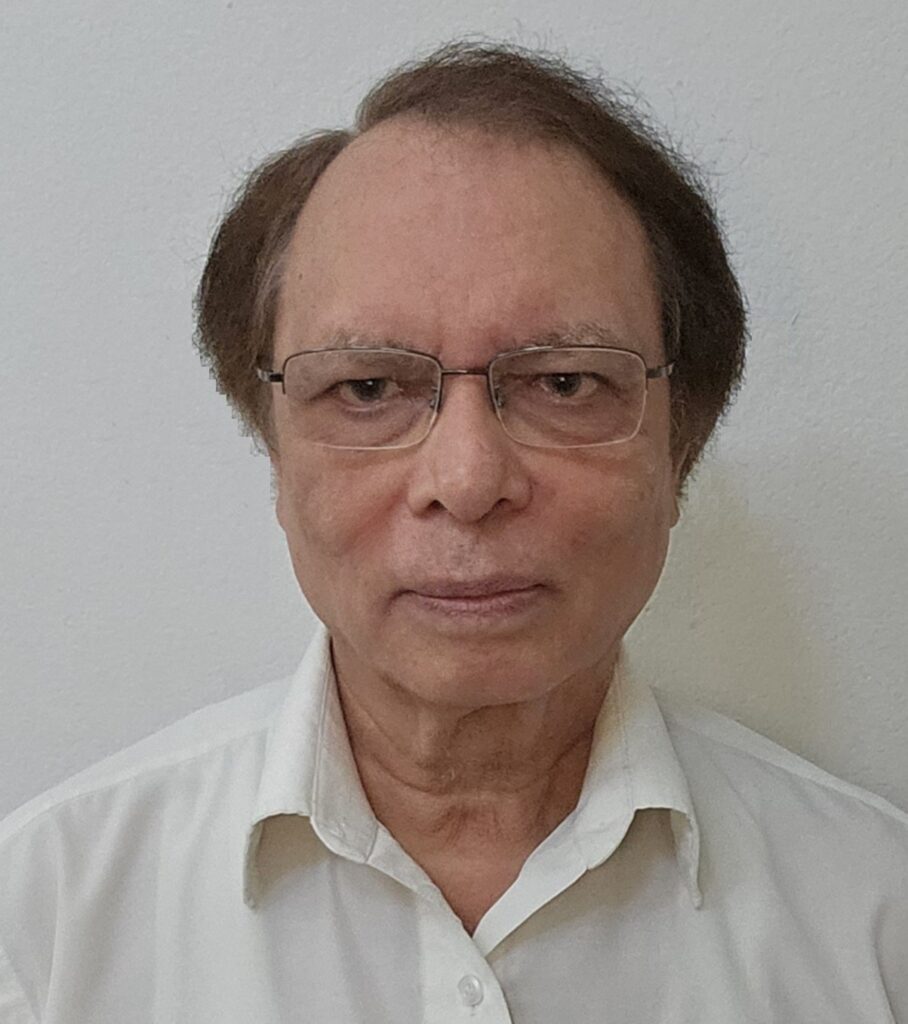
After several meetings and tests, Jay was approved for MVD surgery at Saint John’s Hospital in Santa Monica. He recalls the day clearly in July 2023. The surgery went smoothly, with no complications. Dr. Barkhoudarian performed a minimally invasive, endoscope assisted microvascular decompression of the facial nerve with intra-operative monitoring of the facial spasms. The spasms-related electric signals disappeared completely at the conclusion of the surgery. Almost immediately after awakening, he began to see improvement in his facial spasms.
While some drooping remained in the initial months, Jay was reassured that nerves take time to fully heal. True to form, by six months post-op, all signs of drooping were gone.
A fresh start after hemifacial spasms
Now feeling restored and deeply thankful, Jay reflects on the care he received:
“I cannot thank Dr. Barkhoudarian enough for the excellent job he did. His entire staff is professional and friendly. I highly recommend him for the Microvascular decompression (MVD) brain surgery to whoever needs it.”
Jay K.
While living with hemifacial palsy with spasms, Jay’s ability to advocate for his work was limited. Now, thanks to his successful treatment, he is back to doing what he loves most: raising awareness for a promising therapy that could help many people.
Jay’s story is a reminder of the difference expert diagnosis and timely surgical intervention can make. At Pacific Neuroscience Institute, our specialists work together to ensure that patients not only get answers—but also results.
Recognizing Symptoms and Seeking the Right Treatment
Many patients with hemifacial spasm or facial droop go undiagnosed for years. Common symptoms include:
- Involuntary twitching or spasms on one side of the face
- Facial droop
- Muscle tightness or discomfort
- Gradual worsening of facial function
If you’re experiencing these symptoms, consult with a neurologist or movement disorders specialist who can evaluate possible causes and determine whether you may benefit from hemifacial spasm treatment.
Learn More About PNI Physicians and Hemifacial Spasm Treatment
Jay’s journey from diagnosis to full recovery illustrates the power of collaboration between skilled neurologists and neurosurgeons. Thanks to the expertise of Dr. Melita Petrossian and Dr. Garni Barkhoudarian at Pacific Neuroscience Institute, Jay regained confidence and quality of life. If you or a loved one are seeking answers for hemifacial spasm treatment, connect with our experts at Pacific Neuroscience Institute to learn about available options and meet the physicians who helped Jay regain his smile.
About Dr. Petrossian
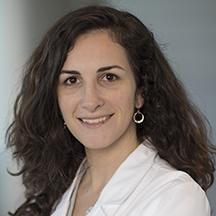
Dr. Melita Petrossian is a fellowship-trained neurologist and movement disorders specialist and is the Director of the Pacific Movement Disorders Center located at Providence Saint John’s Health Center and Providence Little Company of Mary Medical Center Torrance. Her clinical interests and expertise are in movement disorders such as Parkinson’s disease (PD), tremor including essential tremor, dystonia, gait disorders, ataxia, myoclonus, blepharospasm, hemifacial spasm, Meige syndrome, spasticity, tics and Tourette’s syndrome.
About Dr. Garni Barkhoudarian
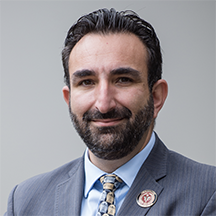
Garni Barkhoudarian, MD, FAANS, is a board-certified, fellowship-trained neurosurgeon with a focus on skull base and minimally invasive endoscopic surgery. Dr. Barkhoudarian has particular interest and expertise in pituitary and parasellar tumors, brain tumors, skull-base tumors (including meningiomas, craniopharyngiomas, chordomas and schwannomas), intra-ventricular brain tumors, colloid cysts, trigeminal neuralgia, hemifacial spasm and other vascular compression syndromes.