Preventing Illness: Medicine in the 21st Century
A Shift Toward Preventive Medicine and Scientific Wellness
Over the last century, the world of medicine has changed dramatically—from a deeper understanding of the many factors that cause disease to major advances in areas like minimally invasive surgery and precision medicine.
However, the next 100 years may bring an even more profound shift: a future in which medicine is used primarily to prevent illness rather than treat people after they become sick.
A New Era: From Treatment to Prevention
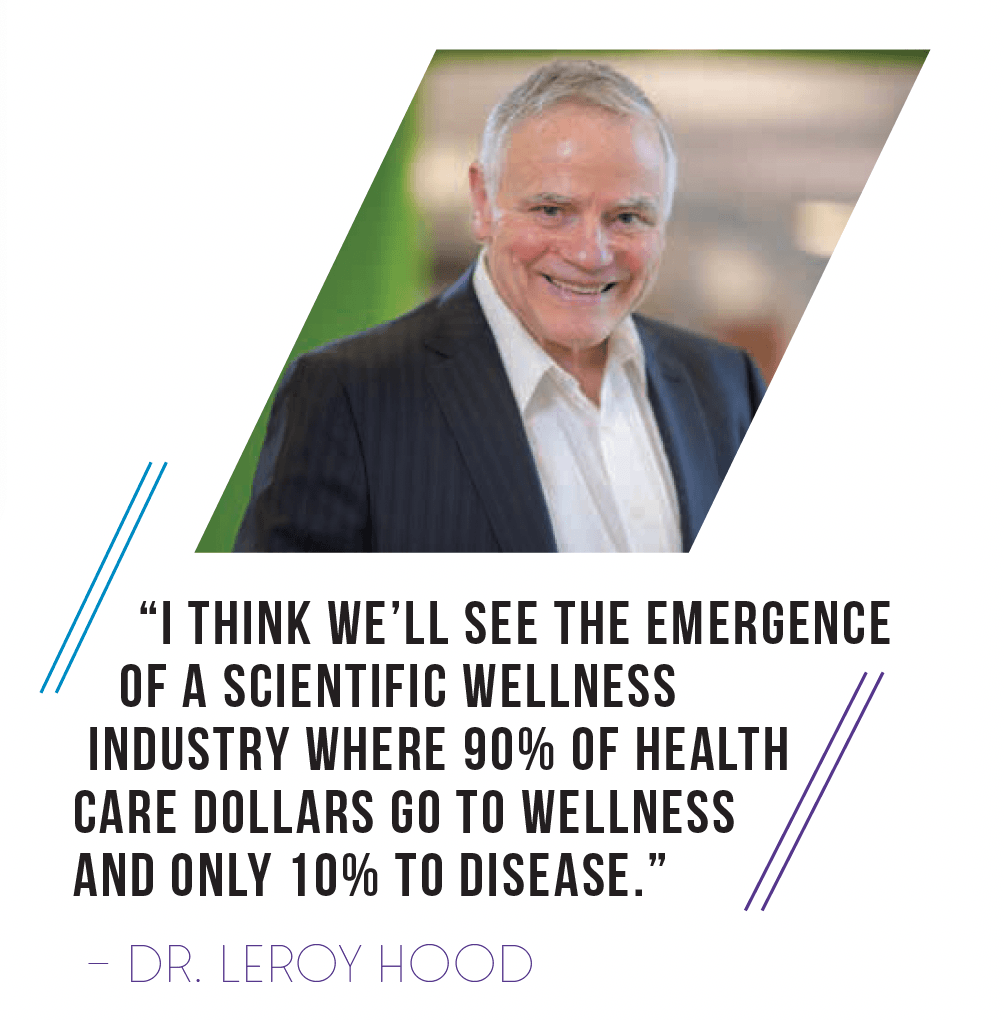
“Scientific wellness will be an enormous transformation in 21st-century medicine,” says Leroy Hood, MD, PhD, a renowned systems biologist and National Medal of Science recipient. His 2023 book, “The Age of Scientific Wellness” outlines a future where healthcare focuses on prevention, early detection, and personalized care.
Dr. Hood is co-founder and chief strategic officer of the Institute for Systems Biology, an affiliate of Providence Health, and scientific research collaborator with Pacific Neuroscience Institute’s Brain Health Center.
“Right now, 90% of health care dollars are focused on treating disease and almost none on wellness. I think we’ll see the emergence of a scientific wellness industry where 90% of health care dollars go to wellness and only 10% to disease.”
The Systems Approach to Health
Dr. Hood emphasizes that this shift toward disease prevention will require a “systems” view of health care. This approach considers all factors that contribute to disease—particularly lifestyle, genetic, and environmental influences. A growing body of evidence already shows that these factors play a critical role in determining overall health outcomes and risk for conditions such as Alzheimer’s disease and cognitive decline.
What Is P4 Medicine?
P4 medicine is a proactive healthcare model defined as Predictive, Preventive, Personalized, and Participatory. Developed by Dr. Hood, it represents a shift from reactive disease treatment to proactive health management and precision medicine.
This model leverages genomics, digital health tools, and systems biology to tailor care to each individual, with the goal of improving outcomes while reducing overall healthcare costs.
The Role of Personal Health Data Clouds

Achieving this vision of scientific wellness will require the development of personal health data clouds for each individual. These digital platforms compile and analyze health data over time, enabling clinicians to identify risk factors and detect disease at its earliest stages.
“This cloud will be dynamic, constantly growing, and doctors will be able to notice transitions happening before symptoms arise and fix the problems early,” Dr. Hood says.
Advancing Alzheimer’s Research: The PREVENTION Trial
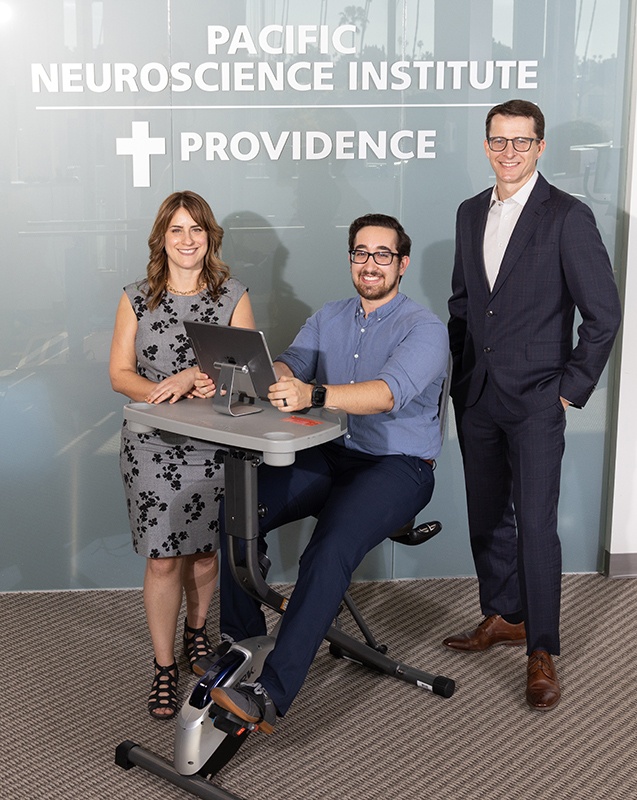
In April 2016, the Institute for Systems Biology partnered with Providence Health to to launch its first clinical trial exploring a systems-based approach to Alzheimer’s disease prevention and cognitive health.
The PREVENTION clinical trial is being conducted in conjunction with the Pacific Brain Health Center and is led by a team of physicians and scientists including David Merrill, MD, PhD, and Jennifer Bramen, PhD.
This study focuses on individuals with mild cognitive impairment and evaluates the effectiveness of a data-driven, multimodal therapeutic approach. Interventions include:
- Health coaching
- Dietary counseling
- Group cognitive and physical exercise classes with a certified trainer
- Computer-based neurocognitive training
These interventions aim to support brain function, memory, and cognitive resilience.
One key objective is to assess how these interventions impact cognition. Another is to generate dense, dynamic data clouds to better understand why some patients benefit significantly while others do not.
Promising Early Results
“With the publication of exciting mid-trial results in November 2025, I’m confident that over a three-year period we’ll learn how to detect Alzheimer’s at the earliest stage and bring people back to normal—most likely through significant changes in lifestyle, diet and exercise,” Dr. Hood says.
Expanding the Scientific Wellness Model
Other studies at the Institute for Systems Biology are applying this same approach across a range of conditions, including recovery from chronic illnesses following intensive cancer treatments.
“I think we can use scientific wellness to enormously improve quality of life,” Dr. Hood explains. “We hope to track each complication, understand how to reverse them, and bring patients back to normal using the data clouds.”
A Future Without Chronic Disease?
The ultimate goal of this scientific wellness revolution is to understand precisely what drives the transition from wellness to disease across major chronic conditions. With that knowledge, clinicians may be able to to delay, prevent, or better manage chronic diseases before symptoms appear, improving longevity and quality of life.
Dr. Hood believes this approach could eventually lead to the elimination of chronic disease altogether.
The Role of Genetics and Epigenetics
Advances in genetics and epigenetics—the study of how genes are turned on and off by environmental factors—will play a critical role in shaping the future of medicine.
“With third-generation DNA sequencing [a quicker, more efficient analysis] we can sequence a human genome in 15 minutes, so DNA sequencing is becoming a standard part of clinical care.”
He adds that continued progress in epigenetics underscores the importance of ongoing research and collaboration.
The Importance of Collaboration in Advancing Brain Health
“Our need to better understand epigenetics is exactly why technology and research partnerships are so important,” Dr. Hood notes. “It’s also why collaboration with centers like the Pacific Brain Health Center and community hospitals such as Saint John’s Health Center is essential to advancing this work.”
Supporting Preventive Brain Health at PNI
While advances in scientific wellness and preventive medicine continue to evolve, individuals can take proactive steps today to support their brain health.
At Pacific Neuroscience Institute’s Brain Wellness & Lifestyle Program and Pacific Brain Health Center, patients have access to personalized strategies focused on prevention, cognitive health, and long-term wellness.
If you are interested in proactive brain health, early detection, or lifestyle-based approaches to reduce your risk of neurological disease, consider connecting with our team to learn more.
Updated and adapted from original article written by Travis Marshall for the Spring 2018 issue of Saint John’s Magazine.
About the Author