The Future of Brain Cancer Treatment | The Evolving Landscape of Precision Medicine & Surgery
A Fresh Start for Brain Cancer Treatment
In the mid-2010s, many experts believed medicine was entering a new era in which certain cancers could eventually become manageable chronic diseases—or even curable in some cases. A major focus of this shift was precision medicine, an approach that uses genetic and molecular information about a patient’s tumor to guide treatment decisions.
Funding at the national level for Precision Medicine programs, including cancer, was dramatically helping to achieve this goal. President Obama’s Summit for Precision Medicine Initiative, highlighted during a summit in February 2016, called for cancer researchers and patient volunteers to partner together to expand medical data resources and accelerate the discovery of innovative treatments.
Since that time, precision oncology has advanced significantly. Technologies such as next-generation genomic sequencing, liquid biopsy testing, AI-assisted data analysis, and large-scale patient registries have helped researchers better understand how tumors behave and how individual patients respond to therapies.
Today, many leading cancer centers—including Pacific Neuroscience Institute (PNI)—incorporate precision medicine strategies such as molecular tumor profiling, genomic analysis, and multidisciplinary tumor boards to guide treatment planning for complex brain tumors.
The Cancer Moonshot Initiatives: What We Expected vs. What Happened
2016 Expectations
Around the same time, two major national “Moonshot” initiatives were proposed to accelerate progress against cancer, then the second leading cause of death in the United States.
The first initiative, Patrick Soon-Shiong’s Cancer Moonshot 2020 program, aimed to bring together leading biotechnology companies, academic researchers, and clinicians to target multiple cancer types and develop personalized immunotherapy approaches.
The second initiative, led by then-Vice President Joe Biden, sought to unite government agencies, research institutions, and private pharmaceutical companies to share data, expand clinical trials, and speed the development of new treatments.
Where These Initiatives Stand Today
Over the past decade, these efforts helped accelerate collaboration and data sharing across cancer research institutions worldwide. While the original timelines were ambitious, many elements of these initiatives laid the groundwork for important advances in cancer treatment.
In 2022, President Biden relaunched the Cancer Moonshot initiative, setting new goals aimed at reducing cancer mortality and improving the lives of people living with cancer. The initiative focuses on expanding early detection tools, improving access to advanced treatments, and strengthening research collaboration.
In neuro-oncology specifically, these collaborative initiatives helped support progress in areas such as:
- Molecular tumor classification
- Immunotherapy research
- Targeted therapies for specific tumor mutations
- Adaptive clinical trial designs
These developments continue to influence how brain tumors are studied and treated today.
Neurosurgical Perspectives on Innovation and the Future of Treatment
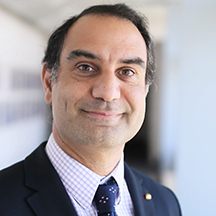
Dr. Garni Barkhoudarian, a brain and pituitary tumor neurosurgeon at Pacific Neuroscience Institute, believes that we are at a pivotal time in cancer medicine. He envisions a transformation in how people will view and treat cancer in the future. In a video interview discussing the future of brain tumor treatment, he explains how advances in precision medicine, surgical innovation, and research collaboration are transforming the way physicians approach complex brain tumors.
Over the 10 years, advances in molecular diagnostics, surgical technology, and targeted therapies have dramatically enhanced how neurosurgeons approach complex brain tumors.
According to Dr. Barkhoudarian, the integration of advanced imaging, neuronavigation, and precision surgical planning is allowing surgeons to remove tumors more safely while preserving critical brain functions.
These advances are part of a broader shift toward precision neurosurgery, where treatment strategies are increasingly tailored to each patient’s specific tumor biology and anatomy.
What These Advancements Mean for Patients Today
What does all of this progress mean for patients diagnosed with brain cancer today? For many patients, advances in research and technology are translating into more treatment options, better outcomes, and improved quality of life.
Personalized Treatments Then and Now
PNI’s neuro-oncology program has long emphasized personalized treatment strategies for brain tumor patients.
In 2016, program leaders, helped shape early tumor-profiling and individualized therapy models that contributed to PNI’s precision medicine framework.
Today, PNI’s neuro-oncology program continues to build on this foundation through multidisciplinary care, molecular tumor boards, targeted therapies, advanced diagnostics, and access to innovative clinical trials.
These approaches allow clinicians to analyze each tumor’s genetic and molecular characteristics, helping guide treatment decisions that may include targeted drugs, immunotherapies, or personalized treatment combinations.
The Evolution of Tumor Profiling and Biomarker Breakthroughs
The Original Oncotarget Study
One of the major research efforts conducted during Dr. Kesari’s tenure at PNI was a large Oncotarget biomarker study that produced a precision-medicine data grid for glioblastoma (GBM).
This research helped demonstrate how tumor biomarker data could guide individualized treatment strategies.
Since that time, tumor profiling technologies have advanced considerably. Today, many brain tumor programs use genomic sequencing, epigenetic profiling, and emerging liquid biopsy techniques to identify tumor mutations and potential treatment targets.
These advances are helping physicians better understand why certain tumors respond to therapies while others do not.
Clinical Trials Are Shaping the Future of Brain Cancer Treatment
As a community, neuro-oncologists across the world continue to explore and push science forward in the understanding and more precise treatment of brain tumors.
Thousands of clinical trials from diverse institutions are listed on ClinicalTrials.gov including clinical trials offered at PNI. These provide patients with early access to promising therapies and treatments that are not yet widely available, offering hope and new possibilities for those facing complex brain cancers.
The Future of Minimally Invasive Brain Tumor Surgery
Keyhole and Endoscopic Techniques
Dr. Daniel F. Kelly, Director of PNI, has an optimistic outlook on the future of brain, skull base, and pituitary tumor treatments.
“Our view over the last 20 years and looking forward toward the next 20 years shows that minimally invasive ‘keyhole’ approaches have evolved dramatically. Their use appears to result in more successful outcomes and faster recoveries, with less collateral damage to surrounding normal brain structures.”
New Surgical Technologies
In 2026, we are seeing modern neurosurgery increasingly supported by advanced technologies that enhance surgical precision and safety.
Some of the tools helping shape the future of brain tumor surgery include:
- Fiber tractography, which maps critical brain pathways (BrainPath) before surgery
- High-definition exoscopes, providing improved visualization for surgeons
- AI-assisted surgical planning, helping identify optimal surgical approaches
- Intraoperative imaging, allowing surgeons to assess tumor removal during surgery
These technologies help surgeons perform more precise tumor removal while preserving important neurological functions.
The Next 20 Years: What Experts Predict for Brain Cancer Treatment
Researchers believe several emerging technologies may significantly impact brain cancer care in the coming decades.
Areas of active research include:
- Immunotherapy, which stimulates the body’s immune system to attack cancer cells
- Oncolytic virus therapy, where engineered viruses selectively target tumor cells
- Cancer vaccines designed to trigger immune responses against specific tumor markers
- CAR-T cell therapies adapted for brain tumors
- Gene-editing technologies such as CRISPR
- Nanotechnology-based drug delivery systems that help treatments cross the blood-brain barrier
- Artificial intelligence and machine learning to improve diagnosis and treatment planning
While many of these approaches are still under investigation, they represent promising avenues for improving outcomes for patients with brain cancer.
Pacific Neuroscience Institute Is Positioned for the Future of Brain Cancer Care
At Pacific Neuroscience Institute, patients benefit from a highly specialized team of neurosurgeons, neuro-oncologists, and researchers working together to advance brain tumor treatment.
PNI’s programs combine:
- Minimally invasive neurosurgical techniques
- Precision-medicine tumor profiling
- Multidisciplinary care teams and tumor boards
- Access to innovative clinical trials
This integrated approach allows physicians to design personalized treatment strategies tailored to each patient’s diagnosis and goals.
If you or a loved one has been diagnosed with a brain tumor and would like to explore advanced treatment options—or obtain a second opinion—our team is here to help.
Contact Pacific Neuroscience Institute to schedule a consultation and learn more about available treatment options.
About the Author