Glioblastoma
What is a Glioblastoma?
Overview
Glioblastoma, also known as glioblastoma multiforme, is a highly malignant type of brain tumor that arises from the glial cells in the brain. It is the most aggressive and deadly form of glioma, accounting for approximately 50% of all gliomas and 15% of all primary brain tumors. It is classified as a grade IV tumor, indicating that it is highly malignant and grows very rapidly.
Glioblastomas are best treated with a team approach. This typically includes minimally invasive surgery, targeted medical therapies & radiotherapy.
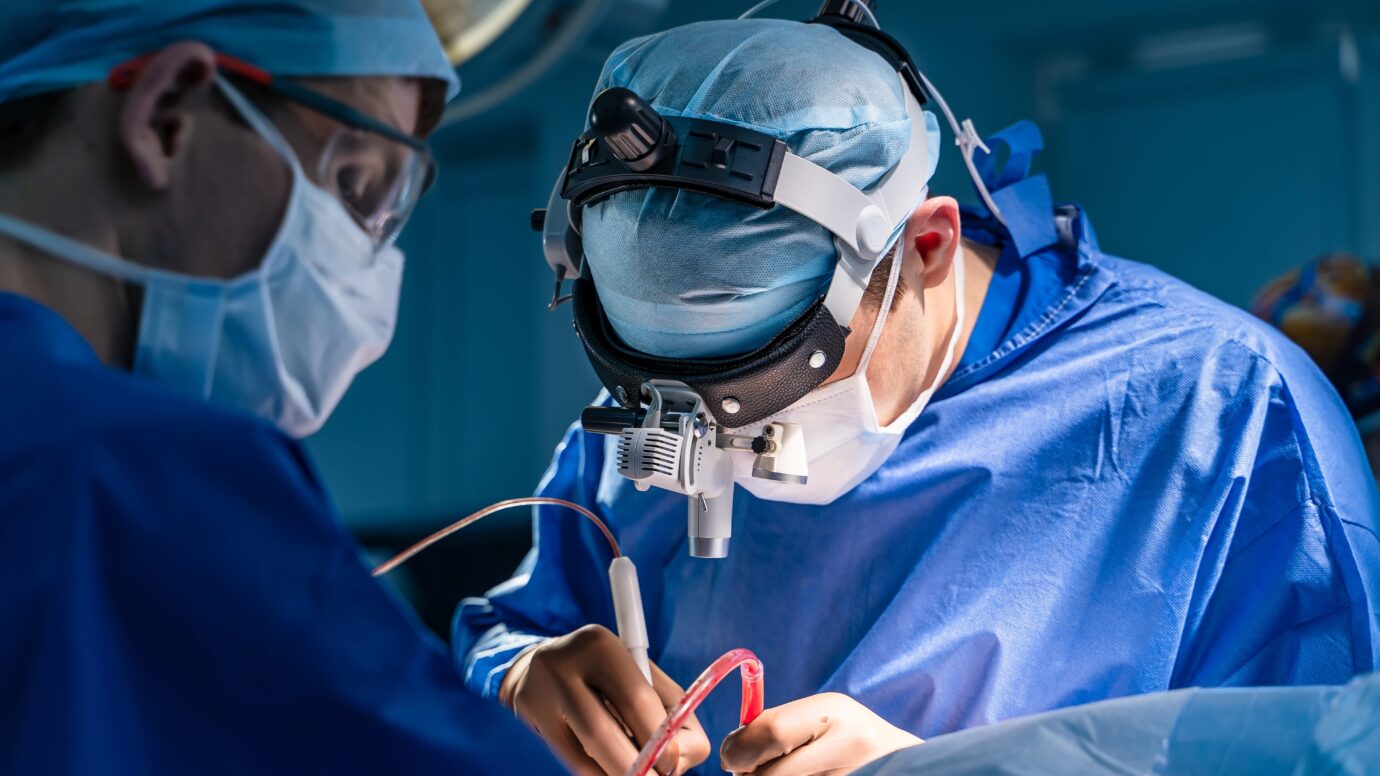
The initial optimal treatment for most glioblastomas is maximal surgical removal. For patients with higher grade gliomas, surgery is followed by radiation therapy and chemotherapy. Fortunately, most gliomas can be surgically removed through one of several keyhole routes depending upon tumor location and size.
What is the Difference Between a Glioma and a Glioblastoma?
Both gliomas and glioblastomas are brain tumors that originate from glial cells.
- Gliomas are a broad group of tumors, categorized into subtypes such as astrocytomas, oligodendrogliomas, and ependymomas. They are graded I–IV, with grade IV being the most aggressive.
- Glioblastoma is a specific subtype of astrocytoma and is always grade IV, meaning it is the fastest growing and most malignant form.
Glioblastoma has a poorer prognosis compared to most other gliomas and tends to recur quickly despite treatment.
Who is Affected?
Glioblastoma can occur at any age but is most common in adults between 45 and 70 years old. Men are affected slightly more often than women. Although rare in children, it can still occur in pediatric populations.

Glioblastoma Symptoms & Causes
Symptoms
Because glioblastomas grow quickly and infiltrate surrounding brain tissue, symptoms can develop rapidly. Common signs include:
- Persistent or severe headaches
- Seizures
- Problems with balance or coordination
- Personality or behavioral changes
- Nausea and vomiting
- Difficulty with speech or understanding language
- Weakness or numbness on one side of the body
- Changes in vision
Symptoms depend on the tumor’s location in the brain and the structures it affects.
Causes
The cause of glioblastoma is not fully understood, but there are several risk factors that have been identified, including genetic mutations, exposure to ionizing radiation, and a history of certain neurological disorders.
When to See a Doctor
Early diagnosis and intervention can help optimize treatment outcomes. Seek medical evaluation promptly if you or a loved one experiences:
- New or worsening neurological symptoms such as seizures, weakness, speech difficulties, or personality changes.
- Persistent headaches unresponsive to usual treatments.
- Any sudden neurological decline.
Glioblastoma Diagnosis
Diagnosing glioblastoma typically involves:
Neurological Examination
To assess brain function.
MRI or CT Scans
To visualize the tumor’s size, location, and characteristics.
Advanced Imaging
Such as functional MRI or MR spectroscopy for surgical planning.
Biopsy or Surgical Resection
For definitive tissue diagnosis.
Molecular and Genetic Testing
To guide targeted treatment.
Glioblastoma Treatment & Outcomes
Treatment Options
Glioblastoma treatment aims to slow tumor growth, manage symptoms, and extend survival while maintaining quality of life. Standard approaches include:
- Maximal safe surgical resection to remove as much tumor as possible without harming vital brain functions.
- Radiation therapy to destroy remaining tumor cells.
- Chemotherapy typically involves temozolomide given alongside and after radiation.
- Tumor Treating Fields (TTF), a wearable device that uses electrical fields to disrupt cancer cell division.
- Targeted therapies or immunotherapies in select cases.
- Clinical trials exploring new drugs, vaccines, and gene therapies.
Patient Outcomes
Despite aggressive treatment, glioblastoma is considered incurable.
- Median survival is typically 12–18 months with standard therapy.
- Long-term survival beyond 5 years occurs in a small percentage of patients, often due to favorable tumor biology.
- Ongoing research is focused on improving survival rates and quality of life.
Managing A Glioblastoma
Living with glioblastoma requires a proactive approach to medical care and daily well-being.
Helpful strategies include:
- Following your treatment plan and attending all follow-up appointments.
- Taking medications exactly as prescribed.
- Eating a nutritious diet to support overall health.
- Staying physically active within your limits.
- Seeking support from counseling, support groups, or palliative care services.
- Asking your care team about rehabilitation services for speech, mobility, or cognitive function.
Meet our Expert Specialists & Surgeons
Experience Compassionate, Expert Care
At Pacific Neuroscience Institute we incorporate leading-edge technology such as MRI fiber tractography, functional MRI, surgical navigation and awake craniotomy protocols, with proven surgical experience, to make glioma surgery safer, less invasive and more effective.
We have a large experience in the comprehensive personalized care of all types of gliomas including glioblastomas.
Our neurosurgeons work closely with our neuro-oncologists, radiation oncologists and neuropathologists to design the optimal treatment plan that incorporates the latest in radiotherapy techniques and tumor biomarker studies.
By using comprehensive tumor histological subtyping and genomic sequencing, we are able to provide a personalized therapeutic approach for each patient.
Our team can also facilitate participation in clinical trials using novel medical therapies for patients with glioblastomas.
Learn More About a Glioblastoma
Yes. By definition, glioblastoma is considered a World Health Organization (WHO) grade 4 tumor — the highest grade for gliomas, meaning it is very aggressive. The prognosis is generally poor, with average survival around 12–18 months despite treatment.
Unfortunately, glioblastoma is currently considered incurable, and long-term survival is rare. However, treatment can extend life and improve quality of life for many patients.
While rare, some patients have survived more than 10 years after diagnosis, often due to favorable tumor genetics, aggressive treatment, and good overall health. Most patients have shorter survival.
Glioblastoma remains relatively rare, and most cases have no clear cause. Risk factors include older age, certain genetic syndromes, and prior brain radiation. The apparent increase may be due to better imaging and diagnosis. Prognosis remains poor despite medical advances.
Complete remission is extremely rare. Treatments may shrink the tumor and control symptoms for a time, but glioblastoma almost always recurs. Prognosis after recurrence is typically poor.
Resources

Get Expert Care from Leading Specialists
At Pacific Neuroscience Institute, our specialists have extensive experience treating glioblastomas and other brain tumors that are complex in their diagnosis and treatment and warrant a team approach. From diagnosis to treatment, as well as education and support, we are here for you.
Written and reviewed by:
The Pacific Neuroscience medical and editorial team
We are a highly specialized team of medical professionals with extensive neurological and cranial disorder knowledge, expertise and writing experience.
Last Updated: