
Blog
Using Professional Experience Beyond Medicine to Treat the Vocal Cords│Romina Huerta
Use the term “vocal cords” and most people think of the structure that lets us talk, sing and yell. But these folds of throat tissue do much more. Listen to find out more.
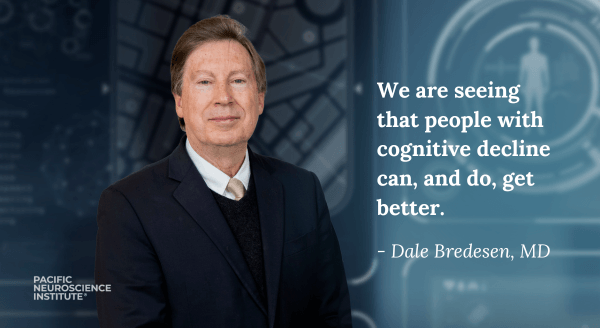
Renowned Alzheimer’s Neurologist Dale Bredesen, MD, Joins Pacific Neuroscience Institute
Dale Bredesen, MD, joins Pacific Neuroscience Institute to lead the Precision Brain Health program. He believes that Alzheimer's is becoming optional. Learn more.
Dementia: A Recent Diagnosis?
Has a loved one recently been diagnosed with Alzheimer’s or other dementia? As a care partner, your role necessarily extends beyond providing physical assistance. Learn what to do next after a dementia diagnosis.
7 Essential Tips for Dementia Care Partners to Enhance Daily Life and Well-being
Discover simple and practical tips to help you care for a loved one with dementia. Learn how to create a safe environment, encourage healthy eating, improve communication, manage their mental health, and more.

10 Things Your Doctor Wishes You’d Start Doing in Your 50s
Whatever age you are, the best time to start prioritizing your health is now. However, certain health habits are especially beneficial as you reach your 50s, before the health consequences of not doing so set in. Adopting a few simple interventions could be the key to health and longevity, doctors say, helping to stave off disease, preserve cognitive function, improve your quality of life, and more. Read on to learn which 10 things your doctor wishes you'd start doing in your 50s, if you aren't doing them already.
How a Low-Carb Diet Could Slow Alzheimer’s Disease Progression
Dr. Jennifer Bramen unpacks her latest findings, highlighting the benefits of reducing carbs for Alzheimer's patients
Keeping Dementia at Bay, Every Day | A PNI Panel Discussion
In this episode of the Think Neuro podcast, you'll meet a dedicated trio - Dr. David Merrill, Dr. Karen Miller, and Molly Rapozo - who are working collaboratively to combat the debilitating effects of dementia in older individuals. Their approach is holistic, addressing key factors such as diet, exercise, and cognitive training. This collective effort holds significant importance, particularly in light of the limited progress in Alzheimer's drug development. There's no magic pill for maintaining optimal brain health as we age, so they focus on promoting well-established behaviors that have been proven to protect the brain from premature dysfunction. Tune in to this podcast to discover the insights and strategies of this all-star team.
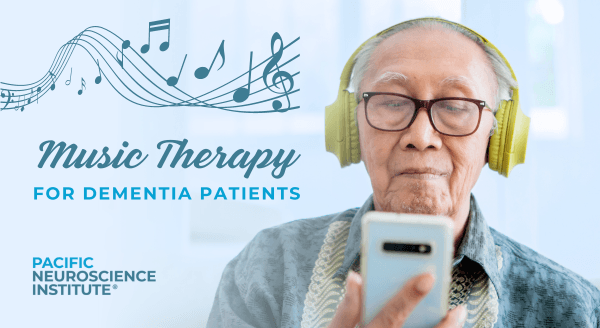
The Unexpected Benefits of Music Therapy for Dementia Patients, According to a Geriatrician
Discover the unexpected benefits of music for dementia patients from Scott Kaiser, MD. Learn how music therapy can help individuals express themselves, preserve memories, and enhance overall brain health in Alzheimer's and dementia patients, along with best practices for using music in caregiving.
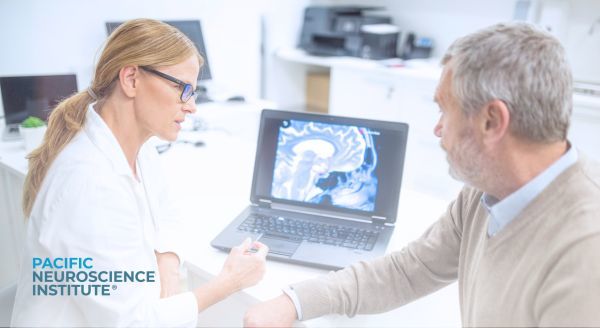
Study finds abdominal body fat linked to brain shrinkage, possible dementia
An international study reveals a link between abdominal body fat and brain atrophy, potentially leading to dementia. Explore the groundbreaking findings from Pacific Neuroscience Institute's Brain Health Center, shedding light on how abdominal fat affects brain health and Alzheimer's risk. Learn how this research can influence early intervention and healthier lifestyles to mitigate dementia risks.
14 “Polite” Ways You’re Talking About Aging That Are Actually Rude
Director of Geriatric Cognitive Health at Pacific Neuroscience Institute®(PNI®), Scott Kaiser, MD, discusses the "polite" respectful language and attitudes towards aging, combatting ageism and stereotypes, and promoting inclusive and respectful communication for aging experiences.
Last updated: November 6th, 2024