
Art, Creativity, and Brain Health: What You Need to Know
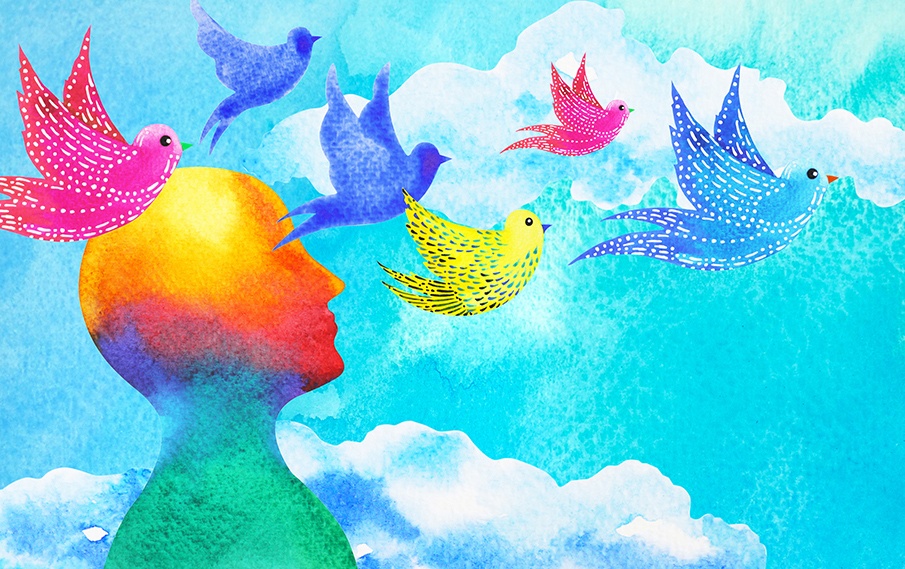
Art invites us to appreciate beauty, communicate ideas, and make sense of the world around us. The creative process does even more. It actively improves brain health by strengthening neural connections, reducing stress, and promoting memory.
The Benefits of Art for Brain Health
Art is a creative process that can be practiced, observed, and shared with others. Although many of us do not consider ourselves artists, we may already practice creativity in everyday life. Selecting an outfit, preparing a meal, photographing a sunset, or decorating a room all involve creative choices.
Our attraction to art and beauty reflects art’s longstanding roles in symbolic communication and social connection1.
The Science Behind Artmaking
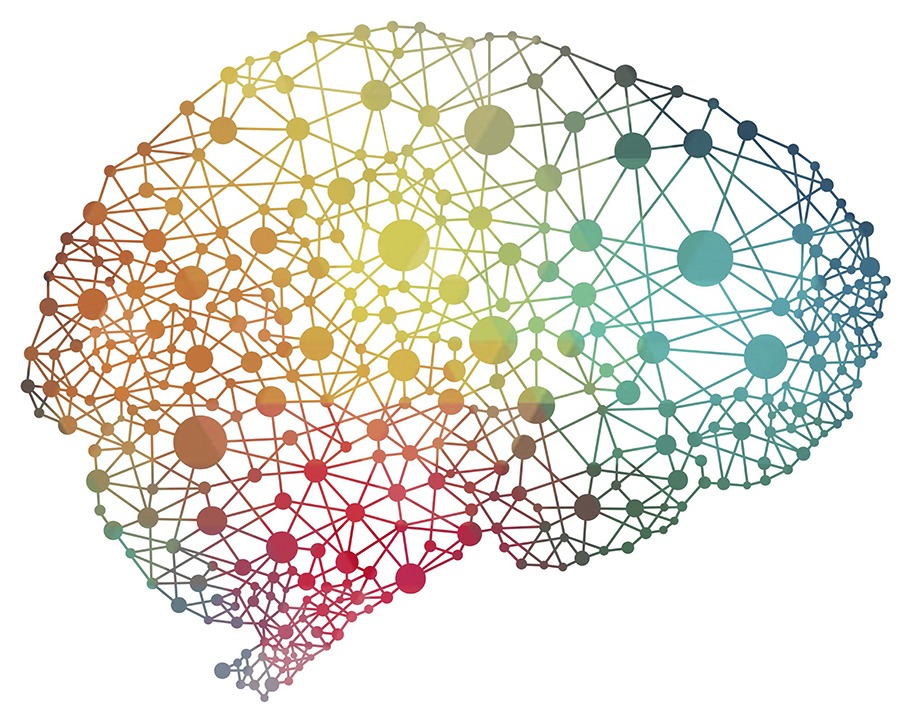
Creating art puts more of the brain to work than we might realize. It asks the brain to integrate information from several sources. We may focus our attention, recall an experience, plan our next step, coordinate our movements, and respond emotionally, all within the same activity. These processes engage interconnected brain regions involved in executive functioning, sensory and motor processing, memory, emotion, and reward.
In a study of recently retired adults, participation in a 10-week visual art class was associated with increased communication among regions of the brain’s default mode network, which supports internally focused thought and self-reflection2. The researchers also found an association between these connectivity changes and psychological resilience.
In this way, making art can serve as a form of cognitive cross-training: one meaningful activity that invites many parts of the brain to work together.
Cognitive Cross-Training Through Art
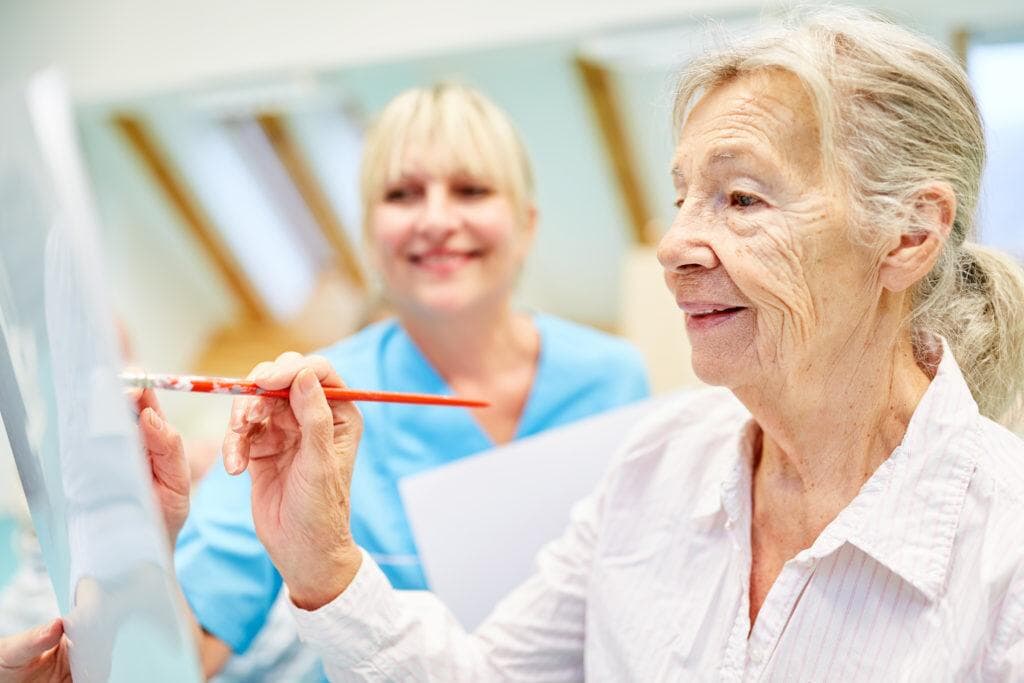
So, what exactly is involved in cognitive cross-training?
Engaging in new and challenging creative activities may support neuroplasticity, the brain’s ability to adapt in response to experience3, and participating in creative movement or musical arts have been linked to improvements in executive functioning4.
Executive functioning is also known as the CEO of the brain, because of its involvement in planning, managing time and attention, and problem solving. These benefits are associated with brain areas that are involved in visual processing and coordination. As you engage in a creative activity, you are zoning in, organizing, and making decisions along the way, all of which challenge the brain to continuously adapt.
There is much value in engaging in creative activities that feel both meaningful and mentally challenging because of its involvement with many cognitive skills.
The Link Between Creativity and Divergent Thinking
Creativity is not reserved for professional artists; it is a flexible way of thinking that we can continue practicing throughout our lives.
When we think creatively, we often use a process called divergent thinking; the ability to generate multiple ideas or possible solutions rather than searching for only one correct answer. For example, a blank sheet of paper could become a landscape drawing or painting, a collage, a poem, folded into origami, or something entirely unexpected.
Divergent thinking encourages the brain to move beyond familiar responses and explore new connections among ideas, memories, and experiences.
Neuroscience research suggests that creative thinking involves cooperation among brain networks that help us imagine possibilities, organize our thoughts, and evaluate our ideas5,6.
The imaginative system helps generate possibilities, while executive processes help us select, refine, and organize them. Everyday creativity can therefore strengthen our willingness to experiment, adapt, and approach challenges from different perspectives.
Using Art and Memory Together
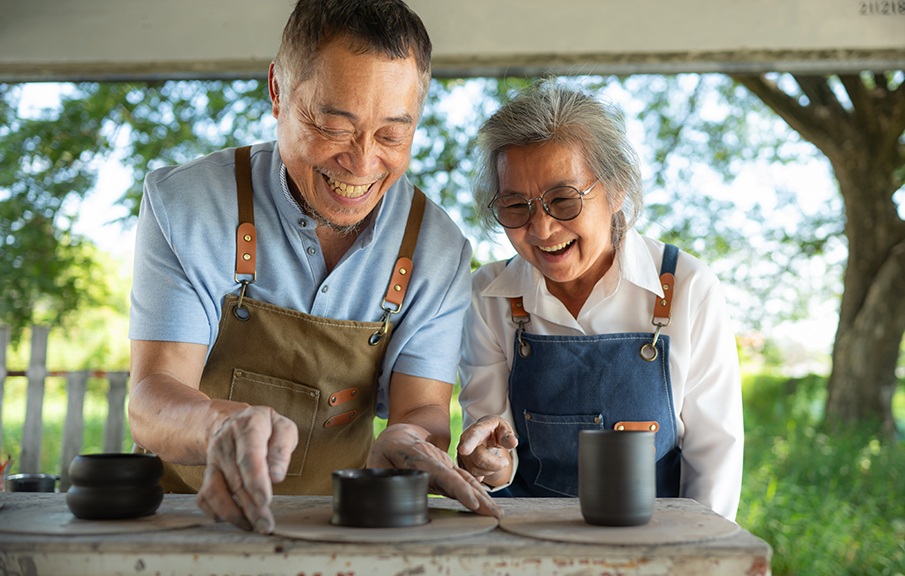
Generating creative ideas draws on our stored knowledge and personal experiences7. Research suggests that using old and new ideas involves the retrieval of declarative memories, also known as long-term memory. When we make art, write a story, or imagine a new possibility, the brain retrieves pieces of information from the past and combines them in new ways.
However, generating new ideas relies specifically on episodic memory or our memory for personal experiences, which can provide details, emotions, and images that help us spontaneously imagine something that does not yet exist.
New ideas rarely come from nowhere; they often grow from what we have previously learned, noticed, and experienced.
Tapping Into Your Creative Abilities
You donot need formal training or artistic experience to begin. Try sketching an object, taking photographs, arranging flowers, writing a short poem, learning a song, or experimenting with color and collage.
If you would enjoy learning alongside others, your city offers many accessible opportunities to explore visual art, ceramics, photography, music, dance, and other creative activities.
The resources below provide options for beginners, older adults, and individuals interested in both structured classes and informal inspiration.
For those living in or near Los Angeles, try:
- Los Angeles Department of Cultural Affairs: Community arts centers with art, movement, and music programming.
- Santa Monica College Emeritus: Painting, drawing, crafts, music, and other courses created for older adults.
- Barnsdall Arts Center: Adult classes in drawing, painting, ceramics, photography, printmaking, fiber arts, jewelry, and mixed media.
- Armory Center for the Arts: In-person and virtual mixed-media opportunities, including programming for adults age 50 and older.
- ARTime Barro: Pottery experiences, ceramics instruction, and wellness workshops in Santa Monica
- Local museums: MOCA, LACMA, The Getty, Norton Simon, The Huntington Library, The Hammer.
Cultivating Creativity
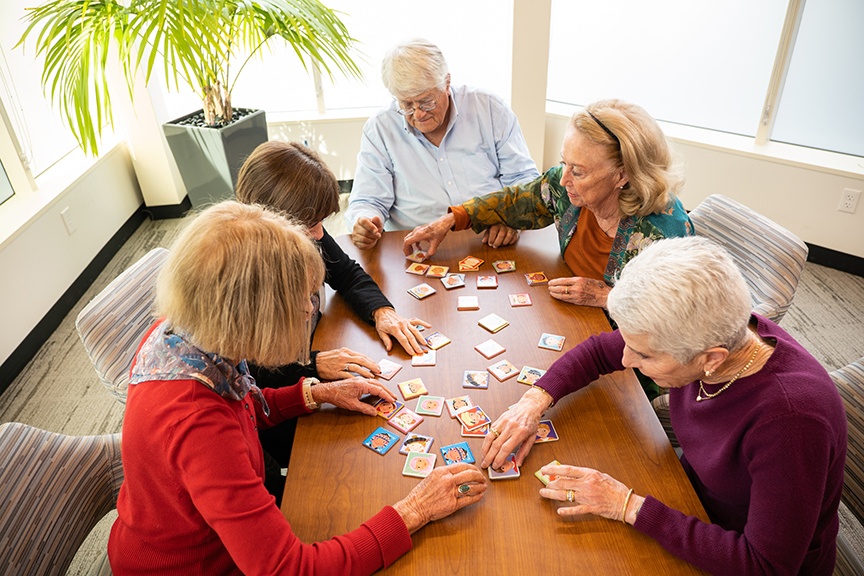
Artistic and creative endeavors are intertwined with cognitive wellness and memory, nutrition, fitness, sleep, stress reduction, and socialization. The Brain Wellness & Lifestyle Program at Pacific Neuroscience Institute offers a wide range of programs for adults of all ages with a focus on enhancing brain health through the lens of these 6 pillars of brain health. Our experts support, guide, and teach individuals to optimize these factors. Our Brain Wellness & Lifestyle Newsletter nurtures creative thinking each month.
Learn more by contacting us at lifestyle@pacificneuro.org or 213-344-2037.
References
- Zaidel, D. W. (2016). Neuropsychology of art: Neurological, cognitive, and evolutionary perspectives (2nd ed.). Routledge.
- Bolwerk, A., Mack-Andrick, J., Lang, F. R., Dörfler, A., & Maihöfner, C. (2014). How art changes your brain: Differential effects of visual art production and cognitive art evaluation on functional brain connectivity. PLOS ONE, 9(7), e101035. https://doi.org/10.1371/journal.pone.0101035
- Demarin, V., Bedeković, M. R., Puretić, M. B., & Pašić, M. B. (2016). Arts, brain and cognition. Psychiatria Danubina, 28(4), 343–348. https://pubmed.ncbi.nlm.nih.gov/27855424/
- Park, S., Lee, J.-M., Baik, Y., Kim, K., Yun, H. J., Kwon, H., Jung, Y.-K., & Kim, B.-N. (2015). A preliminary study of the effects of an arts education program on executive function, behavior, and brain structure in a sample of nonclinical school-aged children. Journal of Child Neurology, 30(13), 1757–1766. https://doi.org/10.1177/0883073815579710
- Beaty, R. E., Benedek, M., Silvia, P. J., & Schacter, D. L. (2016). Creative cognition and brain network dynamics. Trends in Cognitive Sciences, 20(2), 87–95. https://doi.org/10.1016/j.tics.2015.10.004
- Ellamil, M., Dobson, C., Beeman, M., & Christoff, K. (2012). Evaluative and generative modes of thought during the creative process. NeuroImage, 59(2), 1783–1794. https://doi.org/10.1016/j.neuroimage.2011.08.008
- Benedek, M., Jauk, E., Fink, A., Koschutnig, K., Reishofer, G., Ebner, F., & Neubauer, A. C. (2014). To create or to recall? Neural mechanisms underlying the generation of creative new ideas. NeuroImage, 88, 125–133. https://doi.org/10.1016/j.neuroimage.2013.11.021
Related Links
About the Authors
Sarah Krystkowiak is a doctoral student in Clinical Psychology at The Chicago School, Los Angeles, where she is pursuing a concentration in Neuropsychology. She earned her Bachelor of Science in Behavioral Neuroscience, magna cum laude, from Northeastern University.
At Pacific Neuroscience Institute, Sarah serves as a Group Facilitator and Memory Trainer within the Brain Wellness and Lifestyle Program under the supervision of Dr. Karen Miller. She facilitates individual and group-based cognitive training, brain-health education, and caregiver support through programs including Memory Club, Vital Minds, and the Virtual Support Group for Dementia Caregivers. Her work focuses on teaching memory strategies, encouraging cognitive and social engagement, supporting healthy lifestyle changes, and empowering older adults to maintain independence and cognitive wellness.
In addition to her work at PNIF, Sarah has experience conducting neurocognitive intakes and administering, scoring, and assisting with the interpretation of psychological and neuropsychological assessments, including evaluations involving neurodegenerative conditions. Her experience supporting older adults living with Alzheimer’s disease, Parkinson’s disease, and traumatic brain injury informs her clinical and research interests in healthy cognitive aging, dementia prevention, neuropsychological assessment, neurodegenerative disorders, and translating neuroscience into accessible and practical strategies that support long-term brain health.
Janelle Ng is a doctoral student in Clinical Psychology at Fuller Graduate School of Psychology in Pasadena, where her research and clinical interests center on attachment and cross-cultural adjustment. She also holds an MA in clinical psychology from Fuller Graduate School of Psychology and earned a BA in Psychology from Azusa Pacific University.
At Pacific Neuroscience Institute, Janelle serves as a Group Facilitator as part of the Brain Wellness and Lifestyle Program under the supervision of Dr. Karen Miller. She provides cognitive training and therapeutic art activities to promote the brain health of older adults with cognitive decline and caregivers through Memory Club. She is passionate about creating opportunities for older adults and their families to develop a better understanding of their cognitive health and become equipped with tools to support effective daily functioning.
In addition to her work at PNI, Janelle works alongside Dr. Miller at Brighter Minds in Pasadena, where she conducts cognitive and psychological evaluations for individuals across the lifespan under supervision. She also brings experience providing psychotherapy services at Fuller Psychological and Family Services. Across these clinical experiences, Janelle has developed an interest in understanding the relationships between an individual’s cognitive, emotional, and psychosocial well-being.