The Practice of Service: Finding Connection and Purpose
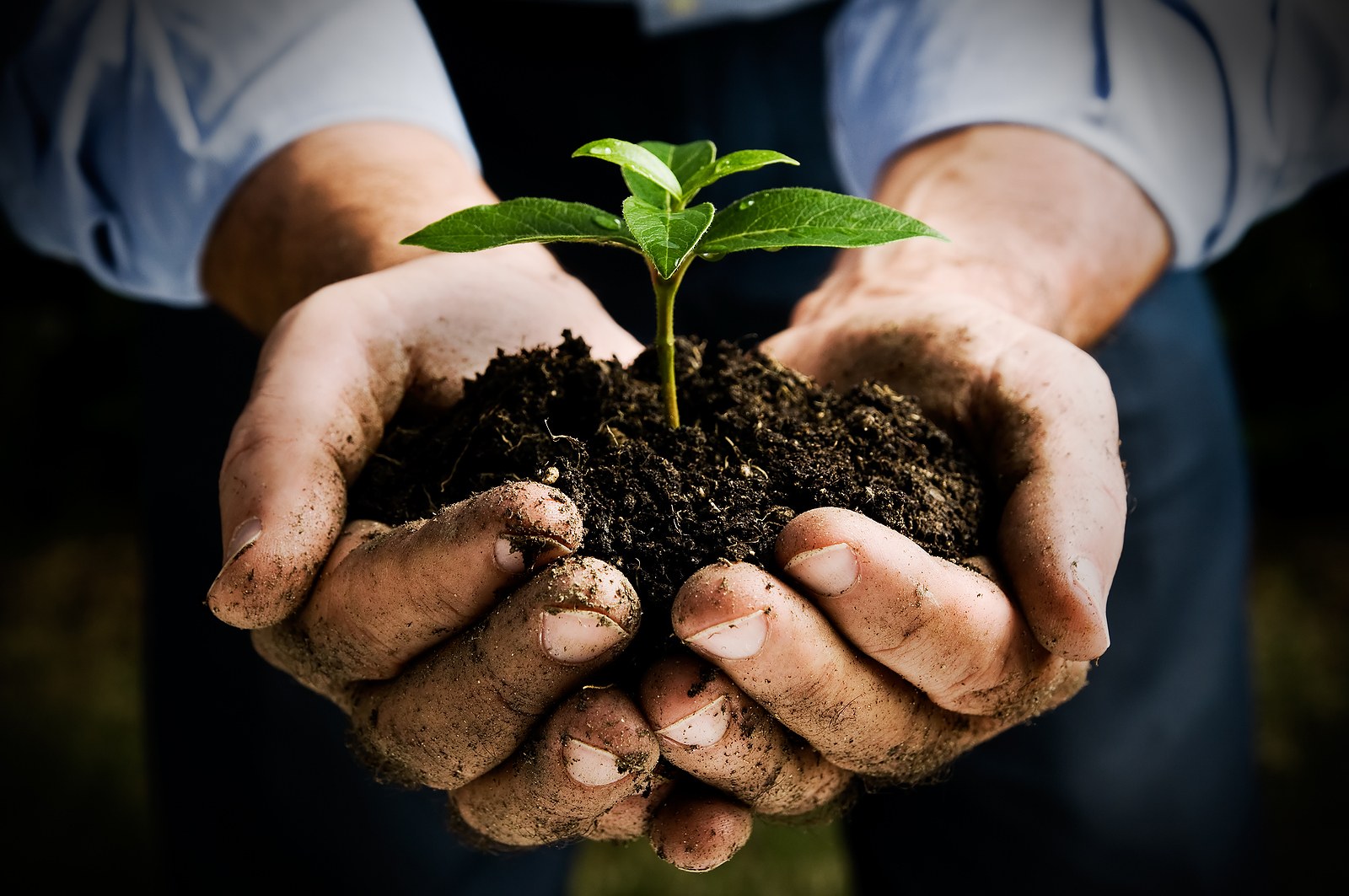
What if giving back could also be a way of caring for ourselves? Service can foster connection, purpose, and meaningful engagement now and into the new year.
As the year comes to a close, it offers a chance to reflect on what matters to us—and how we might show up for the people and communities around us. Some of the most meaningful gifts are not things at all. They are our time, our attention, our skills, our compassion, and our willingness to be there for someone else.
This time of year naturally turns our thoughts toward generosity. But giving does not have to begin or end with a donation. It can be something we practice throughout the year—a way of connecting with others, finding purpose, and contributing to the world around us.
As we look toward 2027, perhaps service is something worth considering as part of our own approach to wellness, too.
The connection between service and brain wellness

At Pacific Neuroscience Institute, we think of brain wellness as more than simply the absence of disease. Many things help us stay engaged with life including connection, purpose, learning, movement, and meaningful activity.
PNI’s Brain Wellness & Lifestyle Program emphasizes brain training, sleep, exercise, nutrition, stress management, and socialization – The Vital 6. These areas can support brain health while contributing to a greater sense of well-being. And service can naturally bring some of these elements together.
Volunteering, mentoring, helping a neighbor, or simply making time for someone who needs us can take us outside our usual routines. We may learn something new, solve a problem, communicate with others, or simply spend meaningful time with another person.
At its heart, service creates connection which is something we all need.
Service is at the heart of patient care
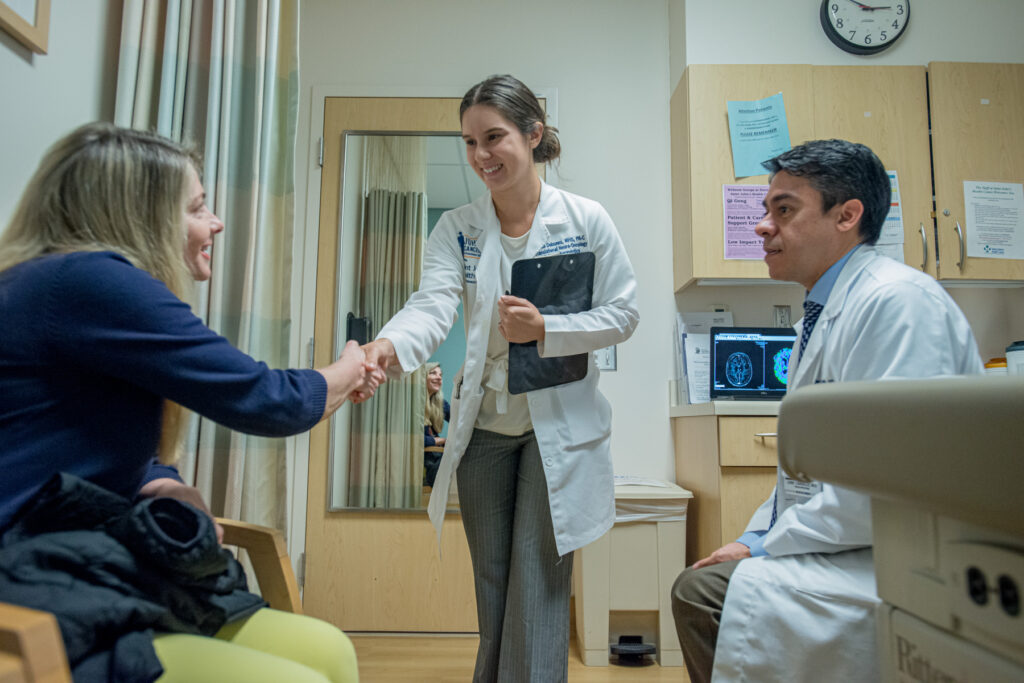
Service is also woven into the work of PNI physicians and staff every day.
For our providers, caring for patients is about more than treating a neurological condition. It is about helping people and their families navigate moments that can be uncertain, complicated, and deeply personal.
A neurosurgeon may use years of specialized training to perform a complex procedure and a neurologist may help a patient understand a new diagnosis. A nurse may provide reassurance during a difficult day while a researcher may work toward a better treatment. And a therapist may help someone regain abilities and confidence after an illness or injury.
And sometimes, service is simply being present and listening.
Across PNI’s many programs and services, our teams bring knowledge, experience, collaboration, and compassion to the care of each patient. Through the PNI Foundation, we serve the broader community through education, research, mentorship, outreach, and humanitarian efforts.
In different ways, all of these contributions make use of what we know and what we can do to help someone else.
What might service look like for you?

Having a service practice does not have to be a major commitment, and it does not have to look a certain way.
For one person, it might mean volunteering with a local organization. For another, it could be mentoring a younger colleague, checking in on someone who lives alone, or sharing a skill or hobby with others.
It might even mean inviting someone into an activity you already enjoy—a walk, a gardening project, or a community event.
The important part may simply be finding a way to use some of what you have—your time, experience, energy, creativity, or attention—in a way that benefits someone else.
A service practice benefits us as well. It can introduce us to people we might not otherwise meet. It can keep us learning and engaged, give structure to our time, and remind us that we are part of something larger than ourselves.
For those experiencing a transition in life—retirement, an empty nest, a change in career, or simply a desire for something new—service can also offer a meaningful way to explore new interests and connections.
A small step toward 2027

Rather than making another ambitious New Year’s resolution, consider asking yourself: How would I like to show up for others this year?
Think about what matters to you and what you have to offer. It could be a skill, your time, a listening ear, or simply a willingness to help. Start small and find what feels meaningful. In serving others, you will discover that you are nurturing something in yourself as well.
Support the work of PNI
For those inspired to give, there are many ways to support the work of Pacific Neuroscience Institute. A gift to the Pacific Neuroscience Institute Foundation can help advance research, education, patient care, and programs that make a difference for patients and families.
About the Author