Move, Learn, and Grow: How Learning New Physical Skills Supports Brain Health
Movement Is More Than Physical Exercise
When many people think about exercise, they focus on physical benefits such as improving strength, balance, or heart health. While these are important, movement can also be a powerful way to support brain health and cognitive function.
Activities that involve learning new skills (rather than repeating the same movement) engage multiple brain systems at once. When exercise requires attention, coordination, and decision-making, it supports the brain’s ability to adapt and form new neural connections throughout life.
How Learning New Movements Engages the Brain
Learning new movements requires the brain to plan, adjust, and refine actions. When you practice a new physical skill, such as learning a dance step, improving a tennis serve, or practicing a balance exercise, the brain must coordinate information from the eyes, body, and environment.
Over time, these movements become smoother and more automatic.
Activities such as dancing, table tennis, tai chi, drumming, or learning new exercise routines involve not only physical effort but also attention, timing, and coordination. This combination of physical and mental engagement can make movement a powerful way to stimulate brain function and support cognitive health.
Predictable vs. Changing Environments in Exercise
Not all physical activities challenge the brain in the same way. Some exercises take place in predictable environments, where the same movement is repeated. For example, walking on a treadmill or cycling on a stationary bike involves a consistent and familiar pattern once the movement is learned.
These activities are still beneficial for overall health, but they may involve less decision-making during the activity itself.
Other activities require responding to a changing environment. These are often called “open-skill” activities, where the brain must constantly process information and adjust movement in real time.
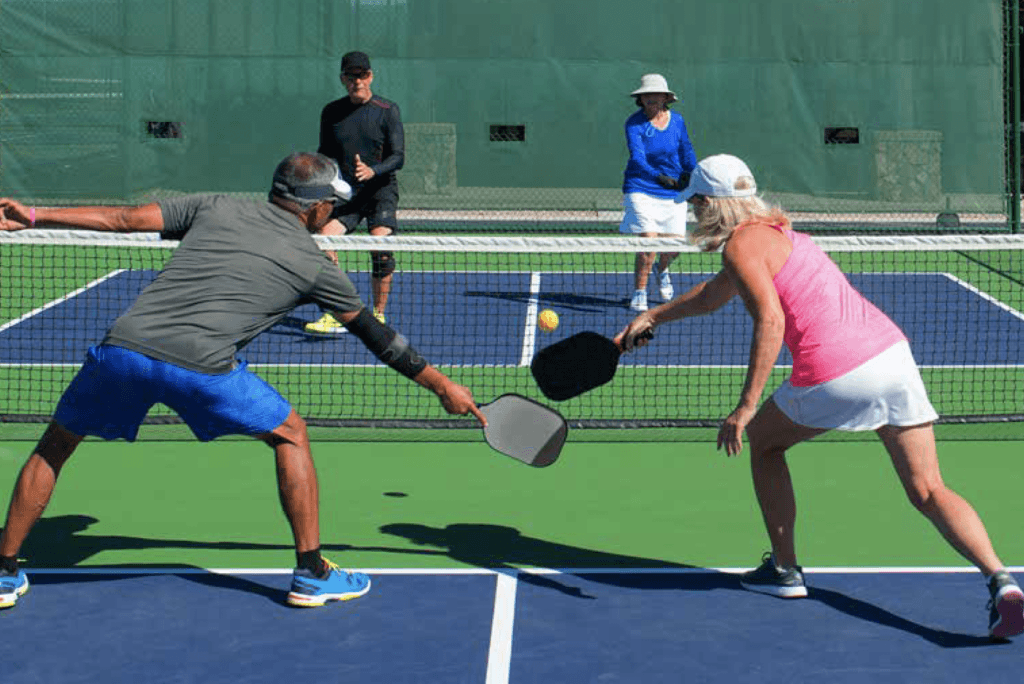
Sports such as table tennis, pickleball, or tennis require tracking a moving object, anticipating its path, and coordinating the body to respond. Dancing with a partner or participating in interactive exercise games also requires quick adjustments and decision-making.
In these activities, the brain is actively engaged, which may help improve attention, processing speed, coordination, and cognitive flexibility.
Embracing the Learning Process
Trying something new can be frustrating, especially when learning a movement that doesn’t feel natural at first. It is common to experience thoughts such as “I’m not good at this” or “This is harder than I expected.”
A helpful approach is to focus on learning rather than performance. Viewing exercise as practice rather than perfection can make the process more enjoyable and reduce stress during learning.
Focusing on the Outcome of Movement
It can also help to focus on what the movement is trying to accomplish rather than thinking about every body part involved.
For example, when playing table tennis, it may be more helpful to focus on where you want the ball to land rather than how your arm is moving. During a squat, thinking about pushing the floor away can sometimes be more effective than focusing on straightening the legs.
This type of external focus may help improve movement efficiency while reducing cognitive overload.
Combining Thinking and Moving
Exercise can become even more engaging when it includes thinking while moving.
For example, someone might name word categories while walking, follow patterns during an exercise game, or respond to cues during a movement activity.
These dual-task activities require the brain to manage both physical and cognitive demands simultaneously, which may support attention, memory, and executive function.
Supporting Brain Health Through Movement and Learning
Exercise supports brain health in many ways, but activities that involve learning new skills, adapting to changing situations, and engaging the mind may provide additional cognitive benefits.
Trying something new—whether it is dancing, racket sports, drumming, or interactive exercise—can challenge both the brain and body together. Movement does not only strengthen muscles; it can also help keep the brain active, curious, and learning throughout life.
Support Your Brain Health with Expert Guidance at PNI
While incorporating movement and learning new physical skills can support brain health, personalized guidance can help you maximize these benefits.
At Pacific Neuroscience Institute’s Brain Wellness & Lifestyle Program and FitBrain Program, specialists work with individuals to develop personalized strategies for improving cognitive health, physical fitness, and overall brain performance.
If you are looking to support your brain health through movement, lifestyle changes, or cognitive training, consider connecting with our team to learn more about available programs and services.
About the Author