Overview

What is TSH-Secreting Adenoma?

Overview

Thyrotropin-secreting pituitary adenomas—also known as thyrotropinomas or TSH-omas—are rare, functional tumors of the pituitary gland that result in central hyperthyroidism (associated with elevated TSH levels produced by a pituitary adenoma). These tumors secrete excess thyroid-stimulating hormone (TSH), which in turn causes elevated levels of thyroxine (T4) and triiodothyronine (T3) in the blood, leading to symptoms of hyperthyroidism.

TSH-omas are an uncommon cause of hyperthyroidism, accounting for approximately 1% of all pituitary adenomas. Unlike primary hyperthyroidism, where TSH is typically suppressed, these tumors are characterized by inappropriately normal or elevated TSH levels in the presence of high thyroid hormone levels—a key diagnostic clue.

Accurate diagnosis and preoperative management are critical. Before undergoing surgical intervention, it is essential to medically stabilize the patient and normalize thyroid hormone levels to reduce the risk of complications during surgery.

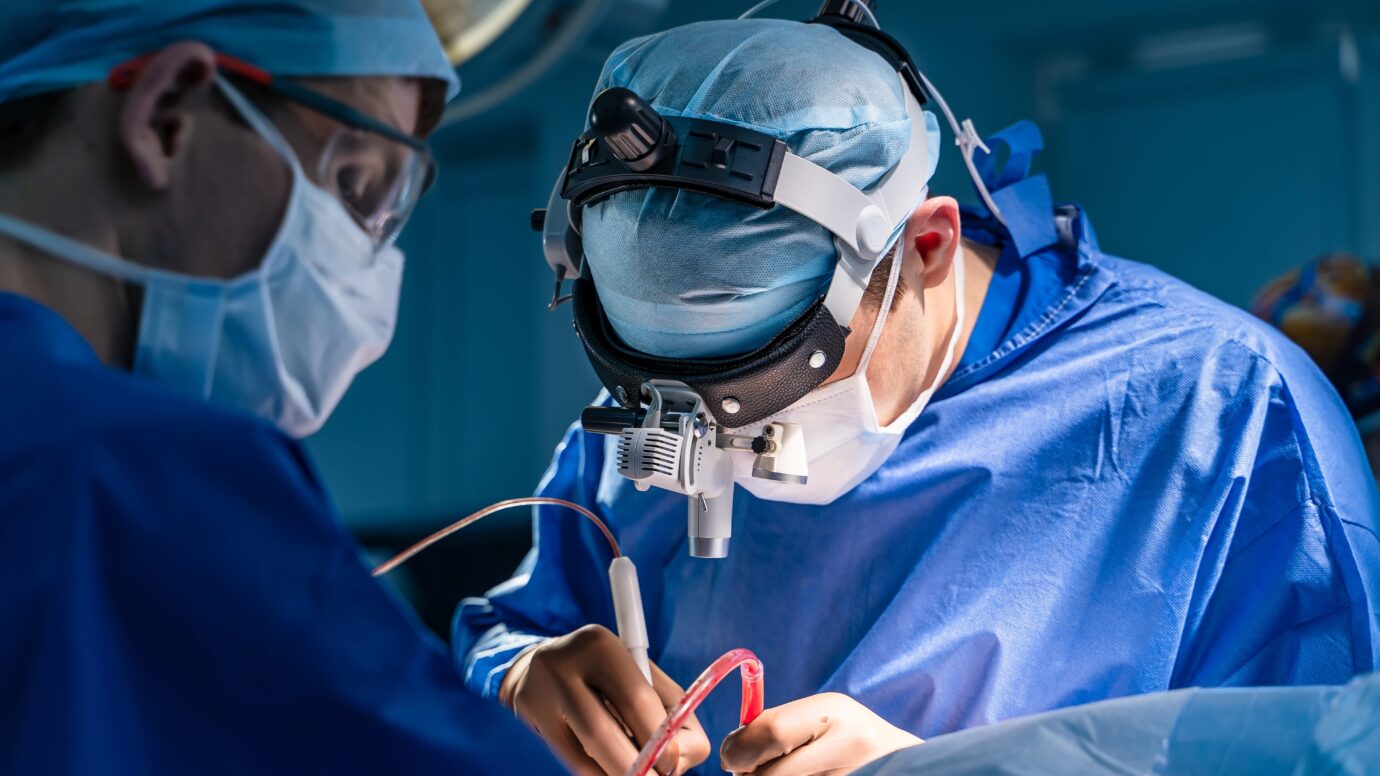
The first-line treatment for most TSH-secreting adenomas is endoscopic endonasal surgery, a minimally invasive approach that allows direct access to the tumor through the nasal passages. This technique offers excellent visualization, high rates of tumor removal, and typically results in rapid improvement in hormone levels and clinical symptoms.

Who is Affected?

TSH-secreting adenomas can affect both men and women, most commonly between the ages of 30 and 60. Although rare, they account for about 1% of all pituitary adenomas. Because symptoms often mimic other forms of hyperthyroidism, such as those caused by thyroid gland disorders, these tumors may be underdiagnosed or misdiagnosed without specialized hormonal testing and imaging. Individuals with persistent hyperthyroid symptoms despite low or normal TSH levels should be evaluated for possible central (pituitary-related) causes.

Symptoms + Causes

TSH-Secreting Adenoma Symptomsrn& Causes

Symptoms

TSH-secreting adenomas are rare tumors of the pituitary gland that cause excessive production of thyroid-stimulating hormone (TSH) in patients. This overproduction affects thyroid function, leading to hyperthyroidism. Common symptoms include:

  • Unintentional weight loss: Despite normal or increased appetite.
  • Cardiovascular issues: Rapid heartbeat and palpitations.
  • Nervousness and anxiety: Increased irritability and anxiety levels.

Other symptoms result from the thyroid gland being overstimulated by excessive TSH, causing an overproduction of thyroid hormones. These may include:

  • Sweating
  • Heat intolerance
  • Muscle weakness

Causes

TSH-secreting adenomas are caused by a benign tumor arising from thyrotroph cells in the anterior pituitary gland, which produce thyroid-stimulating hormone (TSH). In these rare cases, the tumor cells secrete TSH inappropriately, leading to overstimulation of the thyroid gland and excessive production of thyroid hormones (T3 and T4). The exact cause of why these tumors develop is not fully understood, but like other pituitary adenomas, they are generally sporadic and non-hereditary.

When to See a Doctor

If you have been recently diagnosed with a TSH-secreting adenoma and would like to get more information, please contact the Pacific Pituitary Disorders Center at 310-582-7450.

Diagnosis

TSH-Secreting Adenoma Diagnosis

Diagnosing a TSH-secreting adenoma involves a combination of hormonal testing and imaging studies to confirm both the presence and source of excessive thyroid hormone production.

Blood Tests

are the first step and typically reveal elevated thyroid hormone levels (T3 and T4) along with inappropriately normal or elevated TSH levels. This pattern is distinct from primary hyperthyroidism, where TSH is usually suppressed, and points to a central (pituitary) cause.

Imaging

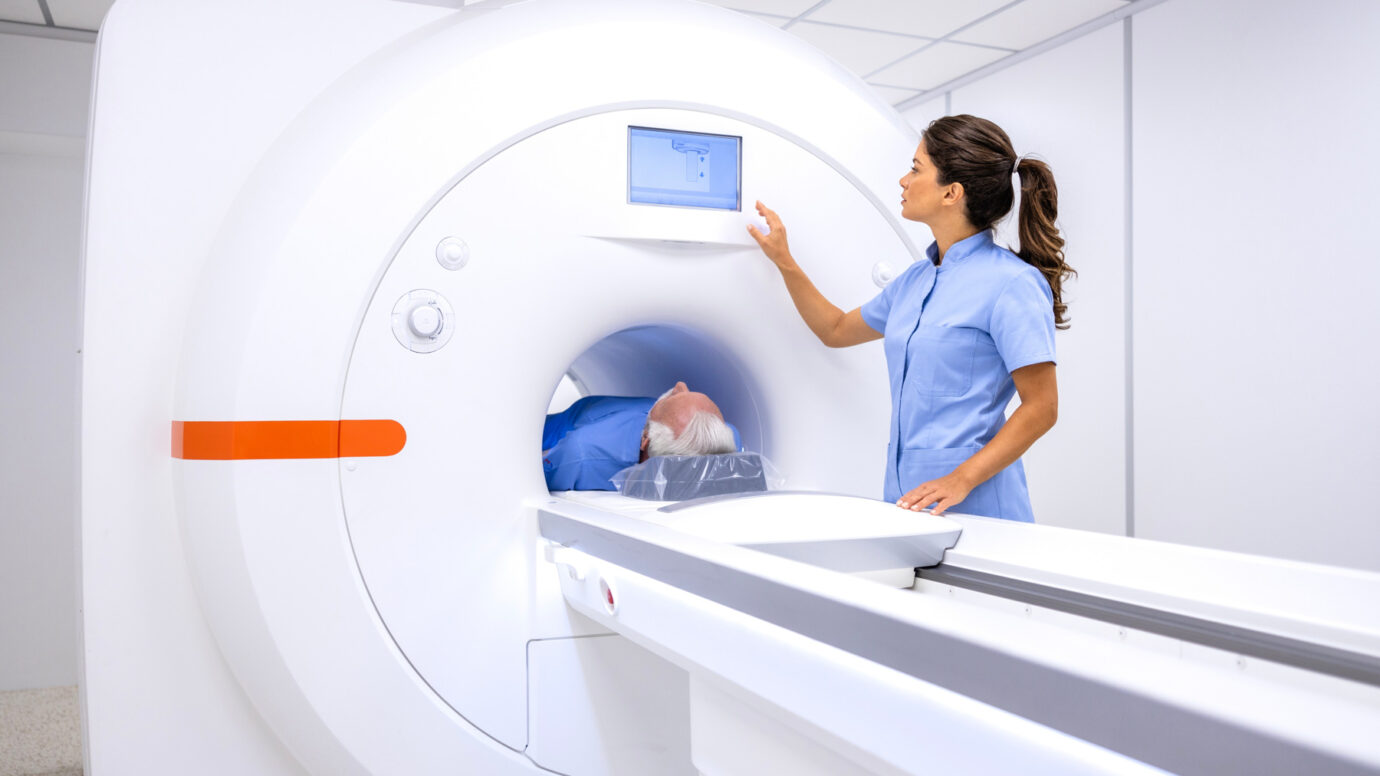
is then used to locate the tumor. A high-resolution MRI of the pituitary gland is the most effective tool for identifying the presence, size, and extent of the adenoma. In some cases, a CT scan may be used if MRI is not available or contraindicated.

Additional tests, such as alpha-subunit measurement, dynamic pituitary hormone testing, or visual field exams, may also be used to support the diagnosis and evaluate tumor impact on surrounding structures.

Treatment + Outcomes

TSH-Secreting Adenoma Treatmentrn& Outcomes

Treatment Options

Treatment for TSH-omas focuses on reducing TSH levels, normalizing thyroid function, and removing or controlling the tumor. Treatment plans are tailored to each patient based on tumor size, hormone levels, and overall health. Options include:

  • Endoscopic endonasal transsphenoidal surgery is the preferred first-line treatment.
  • This minimally invasive approach allows access to the pituitary gland through the nasal passages.
  • Surgery often results in rapid symptom relief and normalization of hormone levels.
  • May be recommended if surgery is incomplete or the tumor recurs.
  • Used to control tumor growth and reduce hormone production.
  • Somatostatin analogs such as octreotide or lanreotide are effective alternatives or adjuncts to surgery.
  • These medications suppress TSH secretion in over 90% of cases.
  • They help normalize free T4 and T3 levels and restore a euthyroid (normal thyroid) state.

Patient Outcomes

With timely diagnosis and appropriate treatment, patient outcomes for TSH-secreting adenomas are generally favorable. Surgical removal of the tumor—especially when performed by experienced pituitary surgeons—often results in rapid normalization of hormone levels and resolution of hyperthyroid symptoms. In cases where surgery is incomplete or not possible, medical therapy with somatostatin analogs can effectively control hormone secretion and restore normal thyroid function in most patients. Radiation therapy may be used for long-term tumor control if needed.

Managing Your Condition

Managing TSH-Secreting Adenoma

Managing a TSH-secreting adenoma requires ongoing care, even after successful treatment. Regular follow-up with your endocrinologist and neurosurgeon is essential to monitor hormone levels, assess pituitary function, and detect any signs of tumor recurrence. Follow-up appointments may include blood tests, imaging studies, and symptom review.

Adhering to your treatment plan—whether surgical, medical, or both—and attending all scheduled visits helps ensure the best possible outcomes. When managed properly, most patients can expect long-term symptom relief and a return to normal or near-normal quality of life.

Care at PNI

Experience Compassionate, Expert Care

Pacific Neuroscience Institute’s Pituitary Disorders Center, has one of the world’s largest experiences in endoscopic endonasal transsphenoidal surgery. By incorporating leading-edge technology and instrumentation with proven surgical experience of over 2,000 endonasal surgeries, our specialists make pituitary adenoma surgery safer, less invasive and more effective. Our doctors and surgeons practice at award winning hospitals throughout Los Angeles.

FAQs + Resources

Learn More About TSH-Secreting Adenoma

Patients with TSH-secreting adenomas often experience symptoms of hyperthyroidism, such as weight loss, rapid heartbeat, anxiety, tremors, heat intolerance, and excessive sweating. Some may also develop goiter (enlarged thyroid gland) or experience visual changes or headaches if the tumor is large enough to compress nearby structures.

The first-line treatment is surgical removal of the tumor through an endoscopic transsphenoidal approach. If surgery is not fully successful, radiation therapy may be used. Additionally, medications such as somatostatin analogs (e.g., octreotide or lanreotide) can effectively reduce TSH secretion and normalize thyroid hormone levels.

With early diagnosis and appropriate treatment, the prognosis for TSH-secreting adenomas is generally favorable. Many patients achieve long-term control or remission of hyperthyroid symptoms, especially when the tumor is completely removed. Ongoing follow-up is important to monitor for recurrence or the need for additional therapy.

Resources

Contact Us

Get Expert Care from Leading Specialists

At Pacific Neuroscience Institute® (PNI), our neurosurgeons and head & neck-otolanyngology surgeons collectively have one of the largest surgical experiences treating patients with pituitary adenomas, including TSH-omas. Whether you need a second opinion, a treatment plan, or ongoing care, our team of top pituitary disorders specialists is here to help.