Meningioma
What is a Meningioma?
Overview
A meningioma is a type of brain tumor that arises from the meninges, which are the protective membranes that surround the brain and spinal cord. It is typically a slow-growing, usually benign tumor, derived from the cells of the arachnoid cap cells or the meningeal cells themselves.
Meningiomas are the most common primary brain tumors, representing about 30% of all intracranial tumors. Fortunately, most are benign and slow-growing, although up to 10% can grow more aggressively. Depending on their location and size, meningiomas may exert pressure on adjacent structures, leading to a range of neurological symptoms.
Meningiomas can develop in various locations within the skull and spinal cord. They are typically attached to the dura (outer layer of the meninges) but can also occur in the cerebral ventricles.
Common meningioma locations are:
- Convexity of the brain – along the top or outer surface of the brain.
- Temporal region – particularly along the sphenoid wing.
- Internal dural surfaces – such as the falx cerebri and tentorium cerebelli.
- Frontal fossa – including the olfactory groove and tuberculum sella.
- Midline skull base near the pituitary gland – planum sphenoidale, tuberculum sella, clinoid region, optic canal, cavernous sinus, Meckel’s cave, and petroclival area.
- Posterior fossa skull base – next to the brainstem and cerebellum.
- Spinal meninges – especially around the foramen magnum, where the brainstem transitions into the spinal cord.
Most meningiomas needing surgery can be removed through one of several minimally invasive keyhole approaches. Some highly invasive and extensive meningiomas may extend into multiple compartments and into the sella itself, surrounding the pituitary gland.
Who is Affected?
Meningiomas are more common in women than men and can occur in all ages but are typically seen in middle-aged and older adults.
Meningioma Symptoms & Causes
Symptoms
Symptoms of a meningioma are entirely dependent upon their location.
Arising above the pituitary gland (tuberculum sellae) or in front of it (planum sphenoidale) may cause:
- Progressive vision loss from optic nerve or optic chiasm compression
- Headache
- Double vision
- Loss of pituitary function
Along the top or side of the head, pressing on the brain surface, may cause:
- Weakness in an arm or leg
- Vision loss
- Personality or behavior changes
- Seizures
- Headaches
Located near the brainstem and cerebellum, may cause:
- Facial pain or weakness
- Double vision
- Difficulty swallowing
- Imbalance
- Incoordination
- Double vision (diplopia)
- Facial numbness or tingling
Arising in front of the brainstem, may cause:
- Double vision
- Vision loss
- Facial numbness
- Difficulty walking
- Difficulty swallowing
- Urinary incontinence
- Headache
Causes
The exact cause of meningiomas is not fully understood, but certain risk factors have been identified, including prior exposure to radiation and certain genetic syndromes, such as neurofibromatosis type 2. However, in the majority of cases, the underlying cause remains unknown.
When to See a Doctor
Seek prompt medical care if you experience:
- Persistent or worsening headaches.
- Sudden or progressive vision changes.
- Seizures.
- New weakness, numbness, or imbalance.
- Facial pain or numbness.
- Difficulty swallowing or speaking.
Sudden severe headache with rapid vision changes may signal bleeding into a tumor (hemorrhage) and requires emergency evaluation.
Meningioma Diagnosis
Meningiomas are best diagnosed with MRI of the brain with gadolinium, or CT scan with contrast.
- For skull base meningiomas near the pituitary gland, a focused MRI of the pituitary or orbits may be ordered.
- Additional tests may include:
- Angiography (CT or MR angiogram) to evaluate blood supply
- Visual field tests if vision is affected
- Pituitary hormonal panels for tumors near the gland
Meningioma Treatment & Outcomes
Treatment Options
The treatment approach for meningiomas depends on several factors, including tumor size, location, and the patient’s overall health.
In many cases, observation with regular monitoring may be sufficient for small, asymptomatic meningiomas that are not rapidly growing.
If treatment is necessary, surgical resection is the primary treatment modality. The goal of surgery is to remove the tumor completely while minimizing damage to healthy brain tissue.
The optimal treatment for most symptomatic meningiomas is maximal safe surgical removal. Most meningiomas can be removed through one of several minimally invasive keyhole approaches.
Symptomatic tuberculum sellae or planum sphenoidale meningiomas are typically treated by surgical removal through either a supraorbital eyebrow or an endoscopic endonasal approach.
- The advantage of the endonasal approach over a transcranial approach is that brain retraction is not necessary and manipulation of the optic nerves and chiasm is minimized.
- For larger tumors (over 3 cm) or those that extend far off the midline, the supraorbital eyebrow approach is an excellent minimally invasive alternative.
- For some larger meningiomas in this region, a more conventional pterional (fronto-temporal) craniotomy may be needed.
- For invasive parasellar meningiomas that involve the cavernous sinus, Meckel’s cave, sella and/or petroclival region, endoscopic endonasal tumor debulking and bony decompression is a reasonable treatment option that we often use and often follow with focused stereotactic radiotherapy.
In some instances, especially with invasive meningiomas in the skull base, complete removal may not be possible and additional therapy may be needed in the years following surgery, such as focused radiation.
Meningiomas of the cavernous sinus, Meckel’s cave, sella tursica and petroclival region cannot be completely removed in over 50% of cases. For meningiomas of the tuberculum sellae or planum sphenoidalea, complete tumor removal rates are significantly higher.
With incomplete removal or if a tumor re-grows stereotactic radiotherapy (SRT) or Stereotactic Radiosurgery (SRS), are often needed to halt further tumor growth.
The tumor control rate with SRS or SRT is quite high with over 90% of patients having no further tumor growth. Complications of SRS or SRT such as visual loss or brain injury are rare.
Patient Outcomes
- Vision often improves after surgery.
- Pituitary function is usually preserved.
- Long-term tumor control is excellent with a combination of surgery and, when needed, radiosurgery.
Managing A Meningioma
Living with a meningioma requires long-term follow-up and healthy lifestyle habits:
- Attend regular follow-up appointments and MRI scans.
- Report new or worsening symptoms promptly.
- Maintain a healthy lifestyle with good nutrition, exercise, and sleep.
- Work with your doctor to manage related conditions such as seizures or hormonal changes.
- Avoid unnecessary radiation exposure and discuss hormone replacement therapy carefully with your physician.






Experience Compassionate, Expert Care

At the Pacific Neuroscience Institute, we have one of the world’s largest experiences treating parasellar meningiomas with keyhole and endoscopic approaches as well as treating residual, recurrent and atypical meningiomas. We have been one of the pioneers in removing tuberculum sellae meningiomas through the endoscopic endonasal approach and comparing this approach to the supraorbital approach.
By incorporating leading-edge technology and instrumentation with proven surgical experience, we make meningioma surgery safer, less invasive and more effective. Our experts provide comprehensive long-term care for our meningioma patients.
Learn More About a Meningioma
Most meningiomas are benign and slow-growing. With surgery and/or radiosurgery, long-term tumor control rates are very high, and many patients live normal lives.
Life expectancy is usually normal if the tumor is benign and treated appropriately. Aggressive or malignant meningiomas are less common but may shorten life expectancy.
In most cases, the cause is unknown. Risk factors include age, female sex, prior radiation exposure, and rare genetic syndromes.
A meningioma does not disappear on its own. Treatment may include surgery or radiosurgery to remove or control growth.
Some small, slow-growing meningiomas may remain stable for years. Others may grow and cause serious neurological problems depending on location. Regular monitoring is essential.
Most are benign and not terminal. However, malignant or aggressive meningiomas are rare and may be life-threatening if untreated.
About 80–90% are benign (grade I). Around 10–15% are atypical (grade II) or malignant (grade III), which are faster-growing and more likely to recur.
Some studies suggest long-term use of certain hormones (e.g., high-dose progesterone) may increase risk, but no common medication is a direct cause.
MRI can suggest if a tumor looks typical for a benign meningioma, but pathology from surgery is the only way to confirm.
Convexity (outer brain surface) and parasagittal regions (near the falx cerebri) are the most frequent locations.
Resources
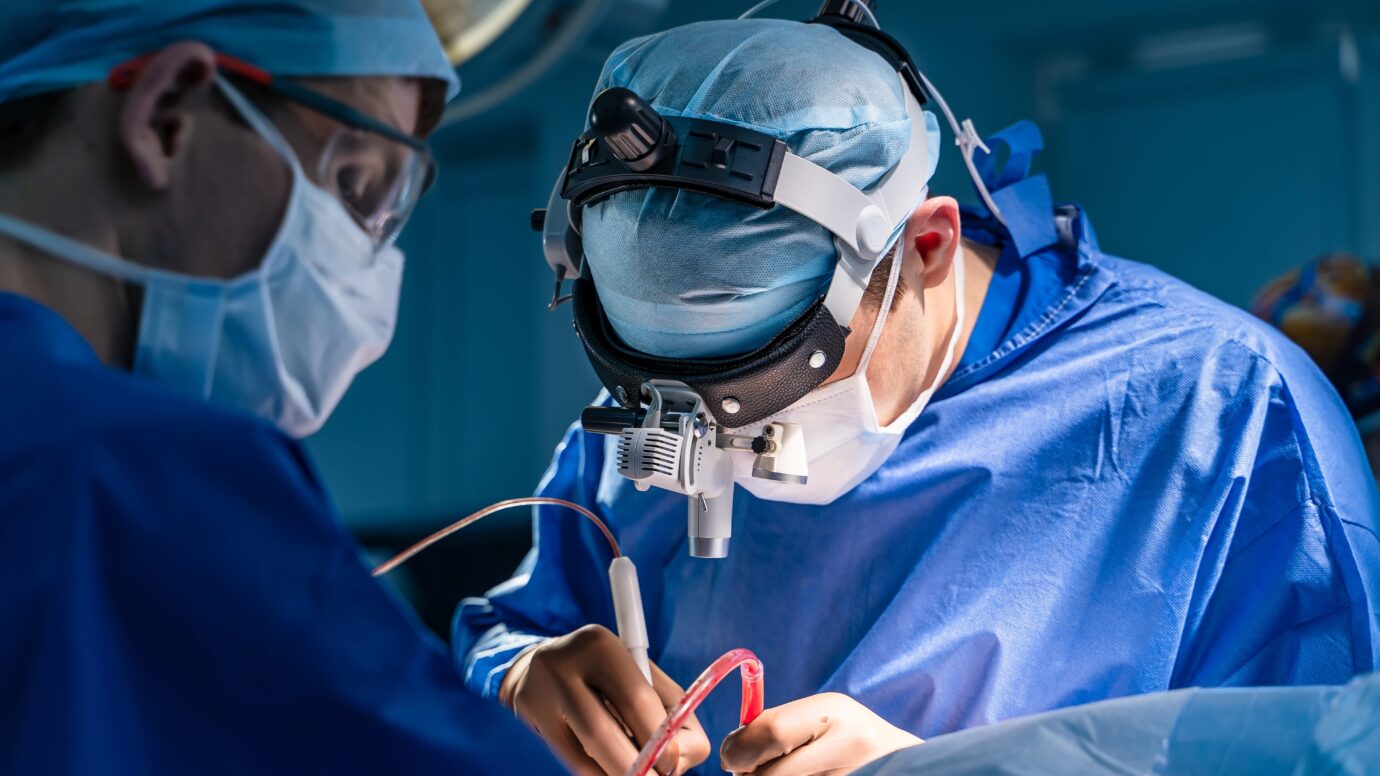
Get Expert Care from Leading Specialists
If you have been diagnosed with a meningioma, expert evaluation is essential. At Pacific Neuroscience Institute, our specialists offer world-class care with advanced surgical and non-surgical treatment options. We are here to provide personalized guidance, second opinions, and comprehensive treatment plans tailored to your needs.
Written and reviewed by:
The Pacific Neuroscience medical and editorial team
We are a highly specialized team of medical professionals with extensive neurological and cranial disorder knowledge, expertise and writing experience.
Last Updated: