
Facial Pain Syndromes and Trigeminal Neuralgia Treatment Guide
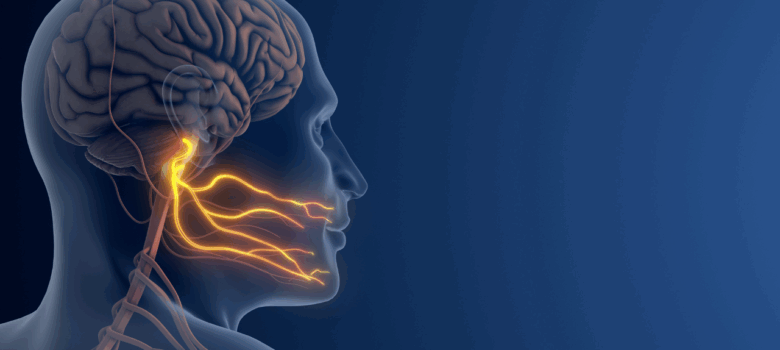
Facial pain syndromes affect an estimated 39 million adult Americans, causing daily suffering that ranges from mild discomfort to debilitating episodes. While October marks Facial Pain Awareness Month—with Trigeminal Neuralgia Awareness Day on October 7—awareness and support are critical year-round. At the Pacific Facial Disorders Center Facial Pain Clinic, our expert team provides compassionate, personalized care for a wide range of facial pain conditions arising from nerve, muscle, or joint dysfunction. This guide explains the different types of facial pain syndromes and outlines the comprehensive treatment options available.
What Are Facial Pain Syndromes?
Facial pain syndromes are chronic conditions that cause recurring or persistent pain in the face. These often result from:
- Temporomandibular joint (TMJ) disorders
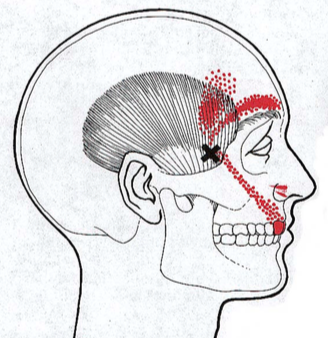
- Muscle trigger points
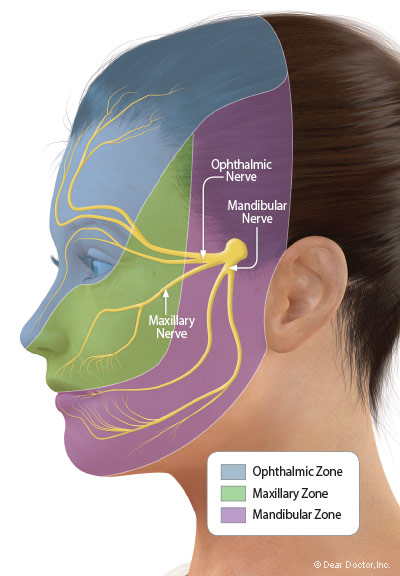
- Nerve dysfunction
Each type of facial pain has unique causes and symptoms, but all can significantly affect a person’s quality of life. Accurate diagnosis is essential for effective treatment.
Temporomandibular Joint (TMJ) Dysfunction
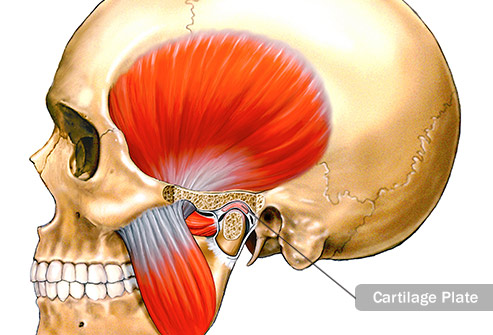
TMJ Treatment Options
Treatment depends on the severity of symptoms and may include:
- Eating soft foods
- Applying ice or moist heat
- NSAIDs (nonsteroidal anti-inflammatory drugs)
- Repositioning splints
- Physical therapy
- Arthrocentesis (joint aspiration)
- Targeted injections
Myofascial Pain: Muscle-Based Facial Pain
Nerve-Based Facial Pain: Trigeminal Neuralgia
- Multiple sclerosis
- Benign brain tumors
- Facial trauma
- Post-herpetic neuralgia (following shingles)
According to the National Institutes of Health, TN may begin with intermittent attacks but often becomes progressively worse, with pain-free intervals becoming shorter or disappearing entirely.
Treatment Options for Trigeminal Neuralgia
At the Pacific Neuroscience Institute, we offer a full range of treatments tailored to each patient’s medical background and goals:
Medical Therapies:
- Anti-epileptic medications (e.g., carbamazepine, gabapentin)
- Tricyclic antidepressants for nerve-related pain
- Note: Traditional pain medications like NSAIDs or opioids are usually not effective.
Minimally Invasive Procedures:
- Microvascular decompression (MVD): Separates the blood vessel from the nerve.
- Rhizotomy procedures: Damage targeted nerve fibers to block pain signals.
- Stereotactic radiosurgery: A technique that targets the nerve as it exits the brain stem.
- Deep brain stimulation (DBS): For select patients with refractory pain.
These treatment options aim to address the root cause of pain rather than simply masking symptoms.
About the Pacific Facial Pain Clinic
Pacific Neuroscience Institute offers advanced, multidisciplinary care for chronic facial pain. Our experienced team combines expertise in neurology, neurosurgery, and pain management to deliver personalized treatment plans that improve quality of life.
If you or someone you love is living with facial pain, we’re here to help. Call us at 310-582-7640 or schedule a consultation.