
Cochlear Implants vs Hearing Aids: Understanding the Differences
For individuals experiencing hearing loss, choosing the right hearing solution can be life-changing. Two of the most common devices—cochlear implants and hearing aids—offer different levels of support depending on the severity and type of hearing loss. Understanding the differences between these devices can help you or your loved one make an informed decision about which option is best suited to your hearing needs.
What is the Difference Between a Cochlear Implant and a Hearing Aid?
Hearing loss can range from mild to profound, and the solution that works best depends on how much residual hearing you have and how your auditory system functions. Both cochlear implants and hearing aids are designed to improve hearing, but they do so in very different ways.
While hearing aids amplify sound and are typically recommended for individuals with mild to moderate hearing loss, cochlear implants are surgically implanted devices that bypass damaged portions of the ear’s hearing apparatus to directly stimulate the auditory nerve. These are typically used in cases of severe to profound hearing loss when hearing aids are no longer effective.
Let’s take a closer look at how each of these hearing devices works and who they’re best suited for.
Overview of Hearing Devices
Hearing loss can occur due to aging, noise exposure, illness, or genetic factors. The most common type—sensorineural hearing loss—results from damage to the inner ear or auditory nerve. Hearing devices are designed to either enhance the natural hearing process or replace it altogether, depending on the extent of the damage.
Cochlear Implants vs Hearing Aids: Key Functional Differences
- Hearing aids work by amplifying sounds so that those with impaired hearing can detect them more clearly.
- Cochlear implants, on the other hand, convert sound into electrical signals that directly stimulate the auditory nerve, bypassing damaged portions of the ear.
Understanding how these devices function is essential to choosing the right hearing solution.
How Hearing Aids Work
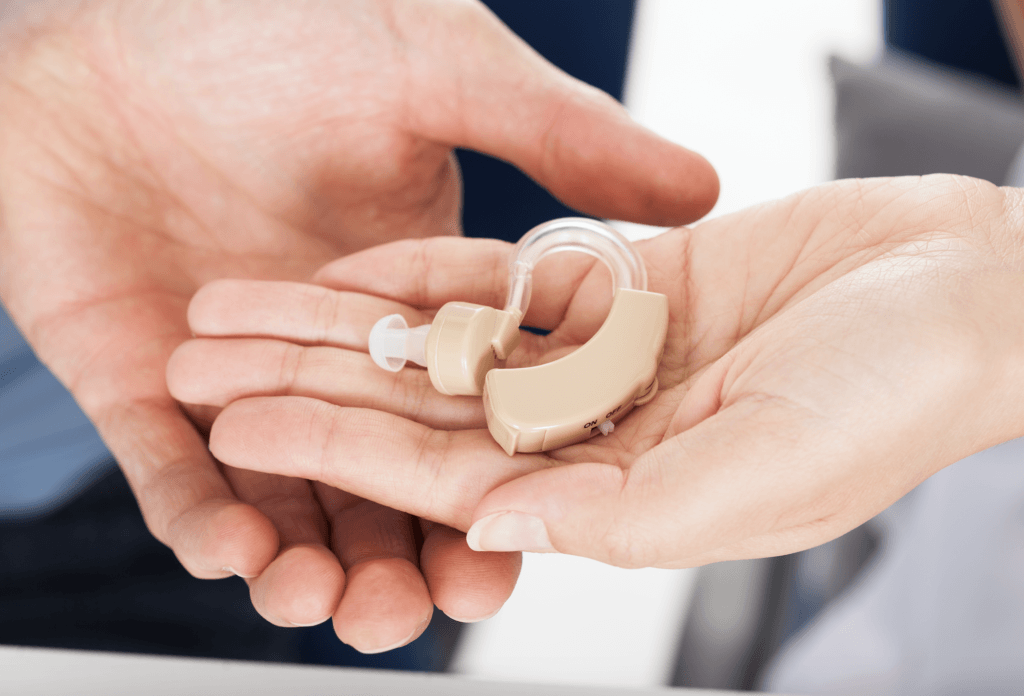
Hearing aids are small electronic devices worn in or behind the ear. They consist of a microphone, amplifier, and speaker. The microphone picks up sounds from the environment, the amplifier boosts the sound signals, and the speaker delivers the enhanced sound into the ear canal.
These devices are ideal for individuals with mild to moderate hearing loss, as they enhance natural hearing by making sounds louder and clearer. Some models sit entirely in the ear canal, while others rest behind the ear, with tubing or wiring that directs sound into the ear.
Hearing aids can significantly improve the ability to hear conversations, enjoy music, and participate in social settings, especially in quieter environments. However, they rely on a functioning auditory system and may not be effective for those with more severe forms of hearing loss.
How Cochlear Implants Work
Cochlear implants are more complex than hearing aids and are designed for people with severe to profound hearing loss who receive little or no benefit from hearing aids.
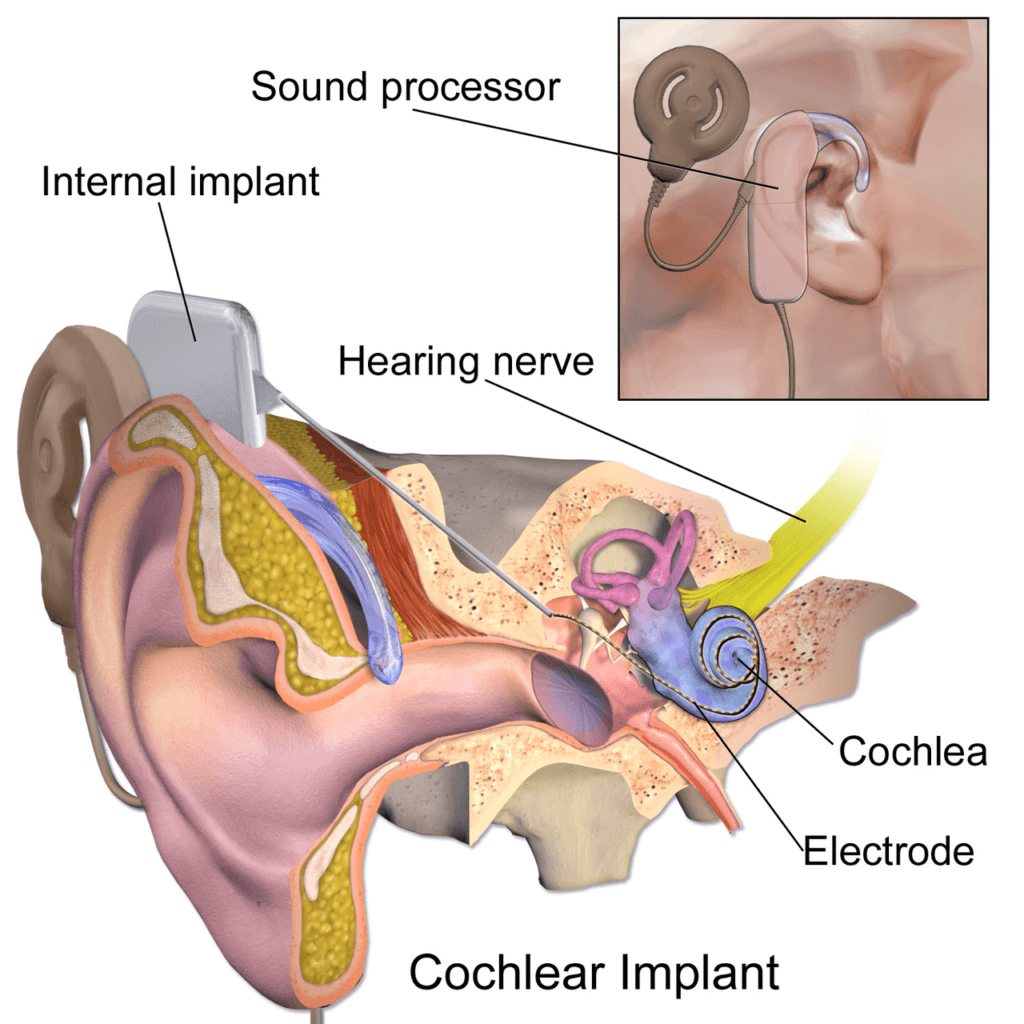
A cochlear implant has two main components:
- An external processor, worn behind the ear, that picks up and processes sound.
- An internal implant, surgically placed under the skin, that sends electrical signals directly to the auditory nerve.
The implant bypasses the damaged hair cells in the cochlea and stimulates the nerve directly, allowing individuals to perceive sound in a more direct and effective way than with hearing aids. While cochlear implants do not “restore” normal hearing, they can provide a much clearer perception of sound and speech in those with significant hearing loss.
Cochlear Implant vs Hearing Aid: Who Are They For?
Choosing between a cochlear implant and a hearing aid depends on the degree of hearing loss and how well traditional amplification methods work.
Candidates for Hearing Aids
Hearing aids are typically recommended for individuals with mild to moderate hearing loss. If you can still hear some sounds but struggle with clarity—especially in noisy environments—a hearing aid may significantly improve your ability to communicate and engage in daily activities.
People who benefit from hearing aids often report improved quality of life, better social interaction, and reduced feelings of isolation.
Candidates for Cochlear Implants
Cochlear implants are generally considered when hearing aids no longer provide enough benefit. Ideal candidates include:
- Individuals with severe or profound hearing loss in one or both ears.
- People who struggle to understand speech even with well-fitted hearing aids.
- Children or adults who have not developed sufficient language skills due to hearing loss.
- Individuals with bilateral (loss in both ears) or single-sided hearing loss or deafness. In some cases, a cochlear implant may be recommended for one ear while the other ear is fitted with a hearing aid.
Cochlear implants can offer an effective auditory experience for those who are unable to rely on traditional amplification. They can be especially life-changing for children born with profound hearing loss or adults who lose their hearing later in life.
Advantages and Limitations of Cochlear Implants vs Hearing Aids
Both devices come with unique benefits and some limitations. Understanding these can help guide the decision-making process.
Benefits of Hearing Aids
- Non-invasive: No surgery is required.
- Customizable: Devices can be adjusted for different environments and individual preferences.
- Affordable: Hearing aids are generally more cost-effective upfront than cochlear implants.
- Easy to maintain: Regular cleanings and battery replacements are usually all that are needed.
Hearing aids offer a convenient and practical solution for many people, particularly when hearing loss is less severe.
Benefits of Cochlear Implants
- Improved sound clarity: Especially for individuals who do not benefit from hearing aids.
- Access to a wider range of sounds: Including high-frequency speech sounds that may be missed with hearing aids.
- Better performance in noisy environments: Many users report improved speech understanding in group or public settings.
- Can be life-changing: Especially for individuals who have lived with significant hearing impairment.
While cochlear implant surgery requires a more significant commitment, the long-term auditory benefits can be substantial for the right candidate.
Limitations of Both Devices
No hearing device is perfect. Here are some considerations:
- Hearing aids can struggle in environments with lots of background noise and are limited by the user’s remaining natural hearing.
- Cochlear implants require surgery and rehabilitation, including auditory training and follow-up appointments.
- Neither device fully restores natural hearing; they aim to enhance perception and communication ability.
Cost Considerations: Cochlear Implant vs Hearing Aid
The cost of hearing restoration is another key factor when deciding between these devices.
Cost of Hearing Aids
Hearing aids can range from $1,000 to $6,000 per ear, depending on the technology and features. Most insurance plans do not fully cover hearing aids, though some may offer partial reimbursement. Ongoing costs include batteries, maintenance, and periodic adjustments.
Some assistance programs and nonprofit organizations may help offset these costs, especially for children, seniors, or veterans. The Hearing Aid Recycling Program (HARP) at Pacific Neuroscience Institute® is one such resource.
Cost of Cochlear Implants
Cochlear implants involve higher upfront costs due to surgery, device implantation, and rehabilitation. The total cost can range from $30,000 to $50,000 or more, but the good news is that most major insurance plans and Medicare cover cochlear implants, especially when deemed medically necessary.
Additional expenses may include:
- Post-surgery therapy and programming sessions.
- Upgrades to external components over time.
- Travel costs for specialist visits, if applicable.
Despite the higher initial cost, many patients find the long-term auditory benefits well worth the investment.
Final Thoughts: Which Is Right for You?
When comparing cochlear implants vs hearing aids, the choice depends on your specific type and degree of hearing loss, your lifestyle, and your hearing goals. Hearing aids are often the first step for individuals with mild to moderate hearing loss, while cochlear implants offer a powerful solution for those with more profound auditory challenges.
If you or a loved one is unsure about which option is best, consulting with a hearing specialist or audiologist is the most effective way to determine the right path forward.
Ready to take the next step in your hearing journey? Connect with a Pacific Neuroscience Institute hearing specialist today to schedule an evaluation and learn whether a cochlear implant or hearing aid is the right fit for your needs.
Pacific Neuroscience Institute – Wilshire
- 11645 Wilshire Blvd, #600, Los Angeles, CA 90025
- Cochlear Implant Program: 310-829-6595
- Main: 310-477-5558
Cochlear implant surgeons, specialists, and team





Last updated: June 11th, 2025