
Is Trauma Causing Your Symptoms of Cognitive Decline?

Trauma may be masquerading as cognitive decline, causing symptoms that affect memory, attention, and normal executive brain functioning of everyday life. Insights into how interventions may separate the two can lead to a path of healing trauma – and potentially alleviating associated cognitive symptoms.
Exploring Interventions for Healing Trauma and Promoting Brain Health
As a clinical psychologist and intimacy coordinator for film and TV, my work sits at the intersection of psychological science and the creative world. With a trauma-trained, whole-person, nervous-system-based approach, I help clients move beyond symptom management into genuine, sustained wellness across the lifespan.
Consistent with that approach, I recognize that living a long life means that you have likely had countless celebrations, incredible experiences, laughter, travel, and meaningful relationships. At the same time, it also means that you may have had potential exposure to painful or traumatic experiences.
How do you distinguish trauma from symptoms of normal cognitive decline? And what kinds of interventions can help to heal traumatic experiences?
Understanding Cognitive Decline vs. Trauma
Understanding Cognitive Decline vs. Trauma
Normal cognitive decline refers to the subtle changes in thinking and memory that can occur with age, such as slower processing speed or occasionally forgetting a name or appointment. These changes are a normal part of aging and do not interfere with daily life or independence. However, when memory or thinking problems begin to affect everyday activities such as managing finances, following familiar recipes, or finding your way in familiar places, they are no longer considered a normal part of aging and should be evaluated.
Studies propose that factors such as retirement, bereavement, search for life meaning, and decreased physical and mental resilience over time might pose specific concerns for adults as they age into their 60s, 70s, and 80s.
When symptoms are more pronounced than typical age-related change but do not yet meet the threshold for dementia, clinicians often describe this as mild cognitive impairment — a distinct diagnostic category worth understanding on its own.
Trauma, on the other hand, is an emotional, psychological, or physical response to an event that is experienced as overwhelming, frightening, or deeply distressing. While many people recover over time, trauma can have lasting effects on mental, emotional, and physical health if left unaddressed.
In the US, approximately 50-90% of aging adults have been exposed to an event that was potentially traumatic in their lifetime. Complicating matters, symptoms associated with Post-Traumatic Stress Disorder (PTSD), such as changes in attention, memory, and executive functioning, can mimic and run parallel to changes associated with normal cognitive aging, and can also overlap significantly with late-life anxiety, which shares many of the same physical and emotional symptoms.
Addressing Trauma
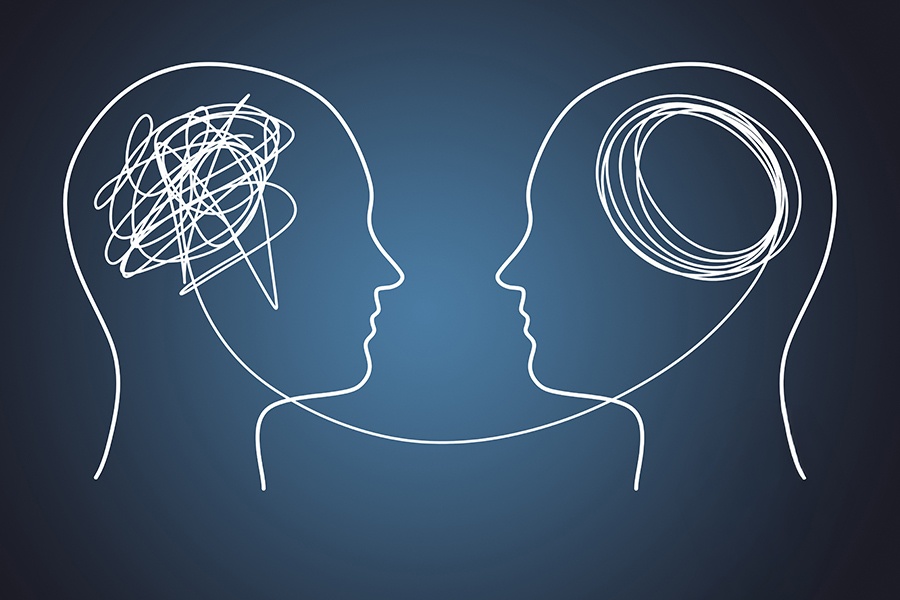
People often ask, “If it’s trauma, what do I do about it?” and wonder if the treatment is worse than the trauma symptoms. Research is on the rise to better understand the interaction between trauma, aging, and the application of much-needed treatments.
Cognitive difficulties on their own are challenging. If their source can in some part be traced to trauma, it is worth looking into intervention options. Although individuals respond differently and no modality is perfect for everyone, the following approaches incorporate body sensations and awareness, often offering some degree of relief rather quickly.
Eye Movement Desensitization and Reprocessing (EMDR)
EMDR addresses a comprehensive view of the trauma, incorporating imagery, cognitions, emotions, and body sensations. With the guidance of a trained therapist, this structured, evidence-based psychotherapy helps people process and recover from traumatic memories and other distressing life experiences. Through guided eye movements or other forms of gentle bilateral stimulation such as listening to alternating tones, or feeling alternating taps on the hands or knees, EMDR can reduce the emotional impact of traumatic memories and support healthier thoughts, feelings, and behaviors.
Somatic Experiencing (SE)
SE is another body-based approach developed by Peter Levine. SE focuses on noticing and gently releasing physical tension and body sensations that have become stuck in the body. Rather than repeating the trauma verbally, which can be overwhelming, SE teaches you to track internal sensations in the body to complete the natural nervous system response that became interrupted when the trauma occurred. This discharges the distress, allowing a return to more ease, calm, and feeling internally settled. Essentially, SE works with your nervous system naturally to heal trauma and restore regulation and resilience.
With SE, you can gently move into the edges of the material slowly and within one’s window of tolerance. While trauma treatment is always best done with a skilled clinician, there are some SE exercises you can learn and practice on your own.
At-Home Somatic Experiencing (SE) For Trauma
It is important to adaptively work with your natural fight, flight, freeze, and fawn responses to prevent a stressful experience from escalating to a traumatic one.
Important Note: Please work only with mildly activating material as you practice these exercises. Do not engage with unprocessed traumatic material, which should be reserved for work with a qualified professional.
Here are some examples of how you can work with your nervous system’s natural responses to improve everyday outcomes and experiences.
The Fight Response
Scenario
- Recall a recent time that was mildly or moderately stressful when you wanted to yell, fight back, or were working hard to “hold your tongue.”
- Notice the body sensations that you are experiencing right now as you recall this. You might have clenched fists, a tight jaw, a racing heart, tightness in the chest, or other sensations.
SE Response
- As you notice what is happening internally, stand facing a wall and gently press your palms into the wall. Or, take a towel and wring it (not working too hard, but enough to feel the wringing sensation). Push the wall or wring the towel for about five seconds and release.
- Notice what changes have occurred in your body. Did the intensity of those sensations reduce? Do you have new sensations?
- Repeat this exercise a few times and notice what happens internally. You might feel relief or lightness after engaging in this practice.
The Flight Response
Scenario
- Recall a recent time that was mildly or moderately stressful when you wanted to run, get out of the room, or leave a conversation.
- As you recall that experience, notice the body sensations that you are experiencing right now. You might feel energy in your legs, a racing heart, or an urge to bolt.
SE Response
- As you notice what is happening internally, very slowly take a walk around your room. Move very slowly and intentionally with each step and notice what happens internally.
- Notice what changes have occurred in your body. Did the intensity of those sensations reduce? Do you have new sensations?
- Repeat this exercise a few times and notice what happens internally. You might feel more settled in your body afterwards.
The Freeze Response
The freeze response is a very interesting one. It can sometimes feel like one foot is on the brakes, while the other is on the gas– like we want to run but simultaneously cannot move. This must be approached gently and cautiously as there is a lot of energy being held in the nervous system.
Scenario
- Recall a recent time that was mildly or moderately stressful when you felt stressed and unable to move or take action. You might have been stunned or surprised by an event or something someone said to you.
- As you recall that experience, notice the body sensations that you are experiencing right now. You might feel energy locked up in your body, perhaps even feeling cold in terms of temperature in some part of your body.
SE Response
- Now, gently allow your eyes to move around the room, noticing each corner, and allowing your head to follow. Or gently sway side to side very slowly.
- Notice what changes have occurred in your body. Did the intensity of those sensations reduce? Do you have new sensations?
- Repeat this exercise a few times and notice what happens internally. You might begin to feel warmer physically, notice new ideas about what you could have done in that moment, or feel less physical tension.
The Fawn Response
The fawn response is the lesser known of the nervous system responses. It is frequently referred to as a people-pleasing response. So, for all of you out there who have been hard on yourself for trying to please others, please reconsider. You might have actually been engaging in a natural trauma response to care for and protect yourself!
Scenario
- For this exercise, consider a time when you really wanted to say no to something, or set a boundary with someone, but didn’t feel you could without experiencing a negative outcome.
- As you recall that experience, notice the body sensations that you are experiencing right now. You might feel sensations in your chest or stomach or tightening in the throat.
SE Response
- As you notice what is happening internally, gently raise your hands in front of you, palms forward, as if you are going to push something away, and say (either out loud or silently and internally) “no!” as you slowly push your palms forward.
- Repeat this exercise a few times and notice what happens internally. You might begin to feel a reduction in tension in the body or softening in the muscles.
Moving Beyond Trauma
If these exercises were engaging and helpful, revisit them and practice anytime you feel a fight, flight, freeze, or fawn response emerging. You can also reach out to a Somatic Experiencing provider for additional support.
Treating painful past experiences and trauma does not have to be scary. It can be gentle and incredibly rewarding. Additionally, it is not necessary to have experienced a major trauma, such as combat or war, to have stress and pain that deserve consideration.
Being continually misunderstood, dismissed, lonely, or chronically stressed from a variety of sources can warrant attention and healing. Engaging in such efforts reduces the cognitive and emotional load you carry as you age, thereby supporting your brain health — an effort that pairs naturally with brain-healthy nutrition habits and the other daily-lifestyle pillars PNI recommends for cognitive wellness.
Promoting Brain Health and Wellness
Along with a long lifespan, having a long health span is increasingly important for continued quality of life. As mentioned, factors such as retirement, bereavement, and decreased physical and mental resilience can hasten normal cognitive changes that come with aging.
Incorporating evidence-based lifestyle interventions, such as those provided by PNI’s Brain Wellness & Lifestyle Program, can help address cognitive health concerns before they progress. With a focus on memory, sleep, nutrition, exercise, socialization, and stress reduction, and guided by brain wellness experts, the program aims to enhance mental resilience and cognitive reserve to help you age well into your 60s, 70s, 80s and beyond.
When to See a Specialist
Self-guided exercises like the ones above can help you notice and work with mild, everyday stress responses. They are not a substitute for a clinical evaluation, and they are not appropriate for processing major, unprocessed trauma on your own.
It’s worth scheduling an evaluation if memory or thinking changes are affecting daily activities such as managing finances or medications, if symptoms have appeared or worsened suddenly, or if you’re not sure whether what you’re experiencing is trauma, anxiety, or an early sign of cognitive decline. The multidisciplinary team at the Pacific Brain Health Center specializes in exactly this kind of differential evaluation, combining neurology, psychiatry, and geriatric medicine to sort out what’s really driving your symptoms and to build a personalized treatment plan.
Frequently Asked Questions
Can trauma really look like cognitive decline?
Yes. PTSD symptoms such as difficulty concentrating, memory lapses, and trouble with executive functioning can closely resemble normal age-related cognitive changes or mild cognitive impairment, which is why a clinical evaluation is important before assuming either explanation.
What’s the difference between PTSD and dementia symptoms in older adults?
PTSD symptoms are typically linked to a specific traumatic history and can fluctuate with stress, triggers, or reminders of the event, while dementia symptoms tend to progress gradually and consistently over time regardless of emotional context. The two can also co-occur, which is why specialists look at both possibilities together.
Can I do trauma work on my own at home?
Gentle, body-based exercises like the ones described in this article can help with everyday stress responses, but they should only be used with mildly activating material. Processing significant or unprocessed trauma should always be done with a trained clinician.
When should I see a specialist about memory changes?
See a specialist if memory or thinking problems are affecting daily activities, appeared suddenly, or are worsening. You can start by using PNI’s Find a Doctor tool to locate a brain health specialist near you.
I
Does treating trauma reverse cognitive decline?
Treating trauma won’t reverse cognitive decline caused by an underlying neurodegenerative condition, but when trauma or PTSD is the actual source of memory and attention symptoms, addressing it directly can meaningfully improve those symptoms. This is exactly why an accurate differential diagnosis matters.
References:
- Kaiser, Cook, Glick and Moye, 2019
- Lapp, Agbokou, & Ferreri, 2011