Thyroid Eye Disease
What is Thyroid Eye Disease?
Overview
Thyroid eye disease, also known as Graves’ ophthalmopathy or Graves’ orbitopathy, is an autoimmune condition that primarily affects the tissues and muscles around the eyes. It is most commonly associated with an overactive thyroid gland (hyperthyroidism), particularly in individuals with Graves’ disease, an autoimmune disorder that affects the thyroid.
Thyroid eye disease (TED, Graves’ eye disease, Graves’ ophthalmopathy) may occur in the absence of known thyroid disease, or may precede thyroid disease.
Thyroid eye disease is sometimes associated with an over-active thyroid (hyperthyroidism) due to Graves’ disease. Graves’ disease is an autoimmune condition that leads to the production of antibodies which stimulate thyroid cells to produce excess thyroid hormone. Some people with Graves’ disease may also have Hashimoto’s thyroid disease, which is associated with antibodies which reduce thyroid hormone production.
So, strangely, one may have Graves’ disease and yet have an underactive, normally active, or overactive thyroid hormone production. Autoimmune thyroid disease is associated with, but not the direct cause of Thyroid Eye Disease, where antibodies are produced which target some of the fibroblasts in eye muscles or orbital connective tissue within the eye socket. Inflammation causes swelling and/or scarring that may push the eye forward resulting in a bulging appearance.
Who is Affected?
Thyroid eye disease (TED) most commonly affects individuals with autoimmune thyroid disorders, particularly Graves’ disease. It occurs more frequently in women than in men, though men tend to experience more severe forms of the disease when it does occur. TED typically appears in adults between the ages of 30 and 50, but it can affect people of any age. Smokers are significantly more likely to develop TED and often experience more severe symptoms. Additionally, individuals with a family history of autoimmune disease may have a higher risk. While TED is most often linked to hyperthyroidism, it can also occur in patients with hypothyroidism or even in those with normal thyroid function.
Thyroid Eye Disease Symptoms & Causes
Symptoms
The presenting symptoms of thyroid eye disease may be eyelid puffiness, pain, redness, tearing, blurred vision, double vision, eyelid retraction or bulging eyes; the presentation may be unilateral or asymmetric.
- Change in the appearance of the eyes (usually staring or bulging eyes)
- A feeling of grittiness in the eyes
- Dry or watery eyes
- Dislike of bright lights
- Swelling or feeling of fullness in one or both upper eyelids
- Bags under the eyes
- Redness of the lids and eyes
- Blurred or double vision
- Pain in or behind the eye, especially when looking up, down or sideways
- Difficulty moving the eyes
Causes
Thyroid eye disease is caused by an autoimmune reaction, in which the body’s immune system mistakenly attacks the tissues around the eyes. In people with Graves’ disease, the immune system produces thyroid-stimulating antibodies that not only target the thyroid gland but also mistakenly recognize proteins in the eye muscles and connective tissues as threats.
This immune attack triggers inflammation and swelling in the orbital tissues, leading to the hallmark symptoms of TED—such as eye bulging, redness, and double vision. Over time, fibrosis (scarring) may occur, resulting in restricted eye movement or eyelid retraction.
While the exact reason why these antibodies target the eye is not fully understood, contributing factors include:
- Underlying autoimmune thyroid disease (especially Graves’)
- Smoking, which greatly increases both the risk and severity of TED
- Genetic predisposition
- Stress, infection, or hormonal changes, which may act as environmental triggers in genetically susceptible individuals
Importantly, TED is not caused by thyroid hormone levels themselves, but by the autoimmune process that affects both the thyroid and the eye socket.
When to See a Doctor
Patients who have been newly diagnosed with thyroid eye disease should seek evaluation by their family physician, internist or endocrinologist to assess and treat any underlying thyroid gland disorder. It is not the thyroid hormone which causes TED, but rather the associated autoimmune reaction. So, while it is of critical importance to one’s health and well-being to have thyroid function monitored and treated, doing so will not prevent or stop TED. If you are experiencing symptoms, contact us at:
PNI-Santa Monica 310-829-8701 | PNI-South Bay 424-212-5361
Thyroid Eye Disease Diagnosis
Diagnosing Thyroid Eye Disease involves a comprehensive evaluation of both eye function and orbital anatomy, as symptoms can vary widely and may progress over time. Since TED can mimic other eye conditions and may even occur before thyroid abnormalities are detected, a thorough and targeted workup is essential.
Several tests are typically performed to assess vision, eye movement, and changes in the tissues around the eyes, including:
- Visual acuity testing to determine the clarity of central vision
- Visual field assessment to detect blind spots or peripheral vision loss
- Eyelid measurements to track lid retraction, asymmetry, or swelling
- Sensorimotor evaluation to assess eye movement limitations and double vision
- Intraocular pressure readings, particularly during upgaze, to detect pressure abnormalities related to swelling
- Fundus and external photography to document changes in the eye’s structure and appearance over time
- Optical coherence tomography (OCT) to evaluate the optic nerve and retinal layers, especially in cases of suspected optic nerve compression
- Orbital ultrasonography to assess the size and thickness of eye muscles and detect fluid buildup in the orbit
In many cases, blood tests are also performed to evaluate thyroid function and detect autoimmune antibodies such as TSI (thyroid-stimulating immunoglobulin) or TSH receptor antibodies.
When necessary, orbital CT or MRI imaging may be ordered to assess the extent of inflammation and rule out other causes of orbital disease.
Early and accurate diagnosis is key to preventing long-term complications, preserving vision, and initiating timely treatment. Evaluation by our neuro-ophthalmologists with expertise in thyroid eye disease is recommended for complex or progressive cases.
Thyroid Eye Disease Treatmentrn& Outcomes
Treatment Options
Treatment for Thyroid Eye Disease depends on the severity and progression of symptoms. While some cases are mild and can be managed with supportive care, others may require medical therapy, radiation, or surgery to protect vision and restore function. The goal is to reduce inflammation, relieve discomfort, and, when necessary, correct changes in eye position or appearance.
In mild cases when there is a feeling of grittiness in the eyes, tearing or sensitivity to light, artificial tear drops may be recommended. Cool compresses, sunglasses, or prisms for glasses may also help relieve symptoms. Patients can sleep with their heads elevated to help reduce eyelid swelling, and it is often recommended to apply a nighttime gel or ointment to the eyes. Symptoms may take as long as a year to improve and up to three years for the inflammation to resolve.
In more severe instances, treatment options include corticosteroids or other anti-inflammatory medications, radiation, and surgery, alone or in combination.
In the most severe cases, emergency treatment (often surgical) may be needed to prevent permanent damage to the optic nerves.
Even when vision loss is not likely, permanent damage may occur due to thyroid eye disease resulting in changes in eye position, eye muscles or eyelids, with consequent problems of chronic ocular irritation and pain, double vision and/or impaired blink or eyelid closure. Appearance of the eyes may also continue to be altered. Surgical options may help improve vision, the health of the eyes and appearance.
Rehabilitative surgery may include:
- Decompression surgery to create space behind the eyes and relieve orbital pressure resulting in improved vision and comfort. This surgery involves the removal of excess fat and/or the bone between the orbit and the sinuses providing room for the eye to revert back to a more normal position.
- Eye muscle surgery to treat double vision. Our specialists offer surgical options to adjust the muscles around the eye to align vision in both eyes. In Graves’ disease patients, diplopia (double vision) often occurs because of eye misalignment. One or more eye muscles become too tight because of scar tissue that forms within the muscle. Eye muscle surgery to relieve the tightness may achieve single vision when looking straight ahead and looking down when reading. The eye muscle is cut from its attachment to the eyeball and re-attached further back on the eye. In many cases more than one operation may be required. If both orbital decompression and eye muscle surgery are recommended, orbital decompression is generally performed prior to the eye muscle surgery.
- Eyelid surgery to reposition the eyelid improves the function and appearance of the eyelids.
Patient Outcomes
Outcomes for individuals with Thyroid Eye Disease vary depending on the severity of inflammation, timing of diagnosis, and response to treatment. In many mild to moderate cases, symptoms improve gradually over time—often stabilizing or resolving within 1 to 3 years. However, some patients may experience lasting changes to eye appearance, eyelid function, or vision. With early and appropriate care, including medical management and surgery when needed, most patients can achieve significant relief from symptoms and regain a good quality of life. Long-term monitoring and follow-up are essential to manage any residual effects and to adjust treatment as needed.
Managing Thyroid Eye Disease
Managing Thyroid Eye Disease requires a comprehensive and proactive approach, especially during the active inflammatory phase. Key strategies include:
Using Lubricating Eye Drops or Gels
To relieve dryness and irritation
Avoiding Smoking
Which is known to worsen the severity and progression of TED
Wearing Sunglasses
To reduce light sensitivity and protect from wind and debris
Sleeping with the Head Elevated
To reduce swelling around the eyes
Attending Regular Follow-Up Visits
With your eye specialist to monitor eye pressure, vision, and inflammation
Managing Thyroid Hormone Levels
With the help of an endocrinologist to support overall disease control
For some patients, rehabilitative or corrective surgery may be recommended to address eye bulging, double vision, or eyelid retraction once the disease becomes inactive. With ongoing care and lifestyle adjustments, many individuals are able to manage their symptoms effectively and maintain healthy vision and appearance.
Meet our Expert Specialists & Surgeons



Experience Compassionate, Expert Care
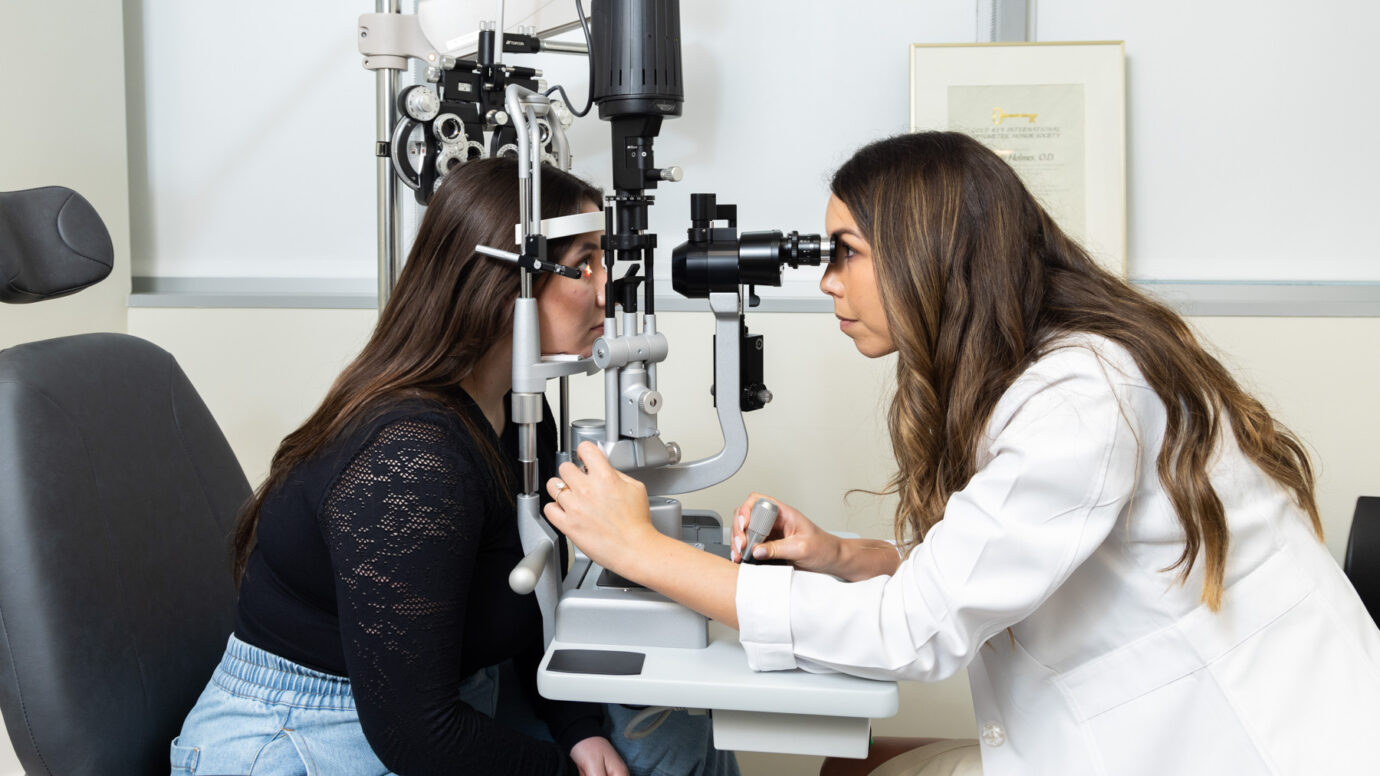
Ophthalmologists and our eye team at the Pacific Eye, Ear & Skull Base Center offer eye and vision treatment for a broad array of ocular issues, with special emphasis and expertise in neuro-ophthalmology, adult strabismus surgery and orbital surgery. We evaluate, diagnose and treat these disorders, often in concert with our PNI colleagues of multiple specialties. Our specialists deliver the best eye care and vision solutions while considering the needs and preferences of our patients. Our doctors and surgeons practice at award winning hospitals in the greater Los Angeles area.
Learn More About Thyroid Eye Disease
Yes. While Thyroid Eye Disease is most commonly associated with Graves’ disease and hyperthyroidism, it can also occur in people with normal thyroid levels or even hypothyroidism. In some cases, eye symptoms may appear before thyroid abnormalities are diagnosed, which is why early evaluation by an eye specialist is important.
Treatment depends on the severity of symptoms. Mild cases may be managed with lubricating eye drops, cool compresses, elevated sleeping position, and sunglasses. More advanced or active cases may require anti-inflammatory medications, steroids, radiation therapy, or surgery to relieve pressure, restore eye alignment, or improve appearance. Smoking cessation and good thyroid management are also key to improving outcomes.
The prognosis varies. Many people experience improvement in symptoms over time, especially with early treatment. However, some individuals may have lasting changes to their eyes, such as bulging, double vision, or eyelid abnormalities. With proper medical care and, when necessary, surgical correction, most patients are able to preserve their vision and achieve a satisfactory cosmetic and functional outcome.
Resources
Get Expert Care from Leading Specialists
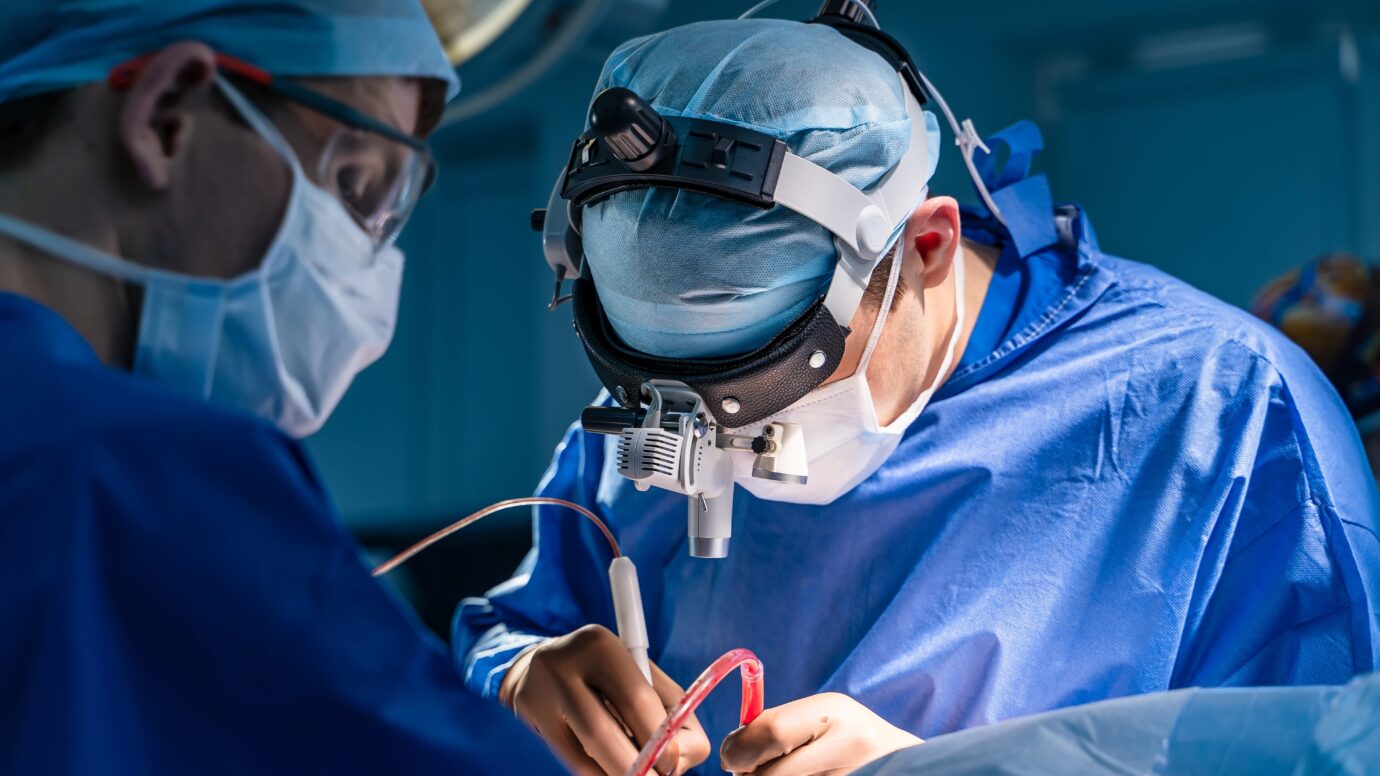
At Pacific Neuroscience Institute® (PNI), we provide expert care for Thyroid Eye Disease using a comprehensive, multidisciplinary approach that includes advanced diagnostic imaging, personalized medical therapies, and state-of-the-art surgical options. Whether you need a second opinion, a treatment plan, or ongoing care, our team of top neuro-ophthalmology surgeons and specialists is here to help.
Written and reviewed by:
The Pacific Neuroscience medical and editorial team
We are a highly specialized team of medical professionals with extensive neurological and cranial disorder knowledge, expertise and writing experience.
Last Updated: