Strabismus
What is Strabismus?
Overview
Strabismus, commonly referred to as “crossed eyes” or “lazy eye,” is a visual condition characterized by an improper alignment of the eyes. In individuals with strabismus, the eyes do not work together as a coordinated pair, causing one eye to be misaligned relative to the other. This misalignment can be constant or intermittent and can affect one eye or both eyes.
Adult Strabismus is a misalignment of the eyes, which may or may not produce double vision. For those with the potential for 3D (binocular vision), this misalignment causes loss of 3D vision, and in some cases treatment is restorative.
While most cases of strabismus occur in childhood and are most often managed by pediatric ophthalmologists, most adult strabismus is of different causation and thus management of adult strabismus is quite different from that of childhood strabismus.
Who is Affected?
Strabismus can affect people of all ages, from infants to older adults. Specific groups more likely to be impacted include:
- Children with a family history of eye misalignment or developmental delays.
- Adults with new-onset neurological conditions, diabetes, thyroid disease, or a history of head trauma.
- Individuals with prior eye conditions or surgery, which may impact muscle control or eye movement.
- People with underlying neurological disorders, such as stroke or cranial nerve palsy.
Strabismus Symptoms & Causes
Symptoms
New onset of strabismus warrants urgent evaluation. Strabismus may present as double vision or as an eye turning in, out, up, or down. This may occur all the time or may be intermittent and may affect one or both eyes.
Improper eye alignment may cause:
- Double vision (diplopia)
- Poor depth perception (loss of 3D vision)
- Eye strain or headaches
- Difficulty with reading or focusing
- Challenges in social interactions due to visible eye misalignment
Untreated strabismus may worsen, leading to greater difficulty in correction or may lead to permanent loss of binocular potential. Consulting a specialist is recommended in all cases of strabismus.
Causes
Strabismus can develop for a variety of reasons:
- Childhood (congenital) causes: Present at birth or developing in early childhood due to muscle imbalance or nerve issues.
- Neurological causes: Stroke, multiple sclerosis, or cranial nerve palsies can lead to eye misalignment.
- Medical conditions: Diabetes, thyroid eye disease, or myasthenia gravis may cause strabismus.
- Trauma: Injury to the eye or orbit can affect eye muscles or nerves.
- Post-surgical changes: Eye or brain surgeries can sometimes alter eye alignment.
When to See a Doctor
Seek immediate medical attention if you experience any of the following symptoms. These may signal an underlying neurological or vascular problem requiring urgent evaluation.
- Sudden-onset double vision or eye misalignment.
- Accompanying neurological symptoms, such as drooping eyelids, numbness, or weakness.
- Headaches, dizziness, or vision loss.
Strabismus Diagnosis
Our specialists evaluate strabismus through examination and other assessments that measure eye movement, alignment and focus.
Tests may include the following:
- Patient history: Family history, general health issues, medications, environmental factors.
- Visual acuity test: Use of an eye chart to measure distance sight.
- Refraction: Determination of the appropriate corrective lens power for glasses.
- Alignment and focusing testing: Assessment of issues affecting ability to focus or move the eyes together (sensorimotor evaluation).
- Examination of eye health: Tests to uncover any underlying disease contributing to the strabismus.
- Visual field testing: To detect associated vision loss or neurologic causes.
- Optical Coherence Tomography (OCT): To assess optic nerve or retinal structure/function abnormalities.
- Photography: External and fundus photography for detailed assessment and tracking.
- Ultrasonography: To screen for conditions such as orbital inflammation, masses, or circulatory issues.
- Blood studies: To screen for systemic disorders that may present with strabismus.
- CT and/or MRI: Imaging may be needed to evaluate neurological or structural causes.
Strabismus Treatment & Outcomes
Treatment Options
People with strabismus have several treatment options to improve eye alignment and coordination. Strabismus can often be treated with excellent results.
- Frequency of occurrence: Either constant or intermittent.
- Involvement of the same eye: Unilateral.
- Affecting both eyes: Alternating.
- Glasses / contact lenses. Some patients may only require this kind of corrective treatment.
- Prism lenses. These special lenses reduce how much the eye turns to view objects and in some cases prism lenses can eliminate eye turning altogether.
- Optometric therapy. Occasionally, orthoptic treatment and/or optometric therapy may reduce strabismus, or may be helpful to improve the result of a surgical treatment
- Strabismus surgery. Our specialists offer surgical options to adjust the muscles around the eye to align vision in both eyes. Under local anesthesia with sedation for adults, one or more of the eye muscles are strengthened, weakened or moved to a different position to improve eye alignment. In some cases both eyes will require surgery even when only one eye appears to be misaligned. Strabismus surgery is a highly successful procedure and most patients see great improvement in eye alignment. In some cases for optimal vision, further adjustments may be required such as additional surgery or the use of prism glasses. Therapy may be prescribed after surgery to improve the surgical outcome.
Patient Outcomes
Most patients experience significant improvement in eye alignment, depth perception, and quality of life following treatment. Early treatment often leads to the best outcomes, preventing long-term vision loss or complications. Surgical and nonsurgical treatments can dramatically improve both visual function and cosmetic appearance, positively impacting confidence and daily activities.
Managing Strabismus
Managing strabismus may involve:
Wearing Prescribed Corrective Lenses or Prisms
Consistently.
Adhering to Follow-Up Appointments
For monitoring and adjustments.
Performing Recommended Eye Exercises
Or therapy to strengthen coordination.
Protecting Eye Health
Maintaining control of underlying health conditions like diabetes or thyroid disorders.
Monitoring for New Symptoms
Reporting any changes in vision or alignment promptly.
Meet our Expert Specialists & Surgeons
Our experienced team includes neuro-ophthalmologists and strabismus specialists dedicated to diagnosing and treating eye alignment disorders in adults. We provide individualized care plans to restore optimal vision and function.


Experience Compassionate, Expert Care
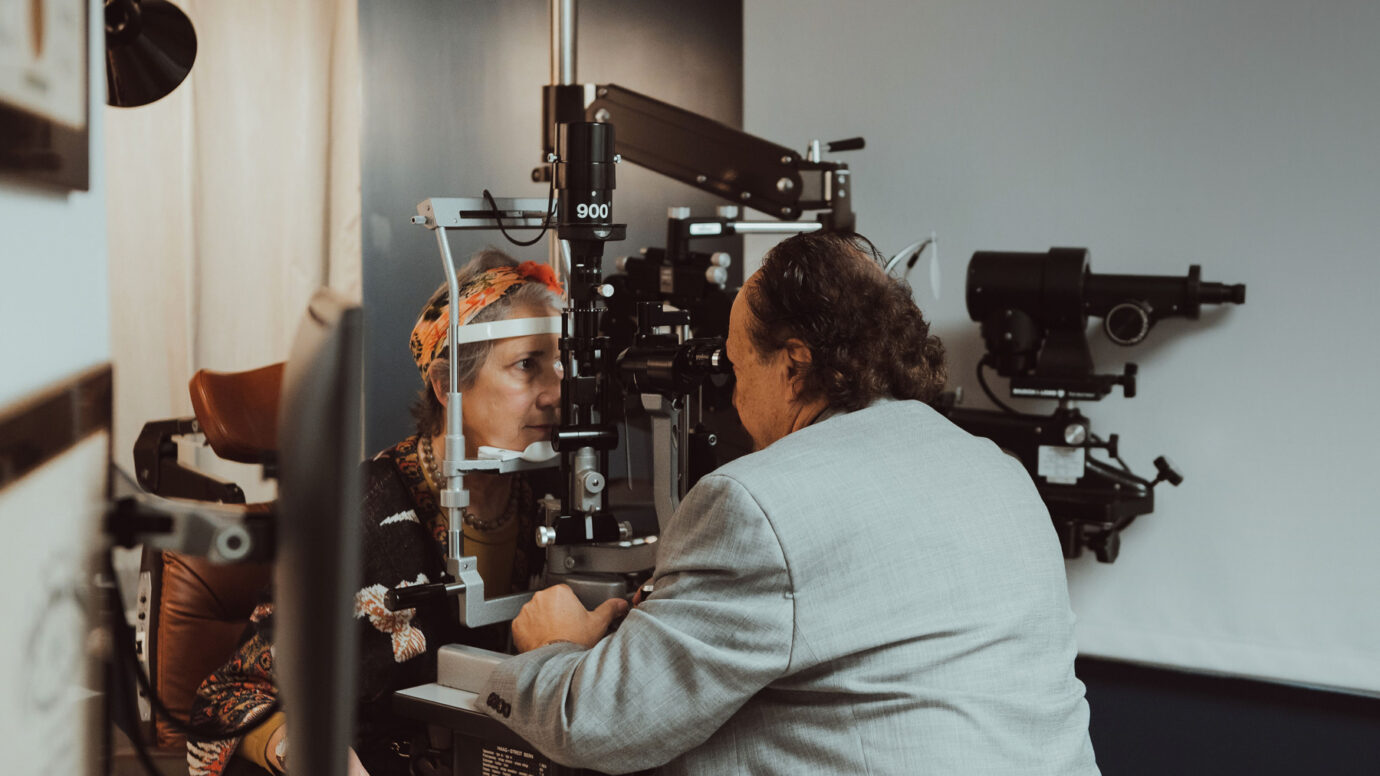
At Pacific Neuroscience Institute, we combine advanced diagnostic imaging, minimally invasive surgical techniques, and personalized care to treat strabismus effectively. We offer:
- Expertise in complex adult strabismus cases.
- Multispecialty collaboration between ophthalmology, neurology, and rehabilitation experts.
- State-of-the-art diagnostic tools for comprehensive evaluation.
Learn More About Strabismus
Strabismus in adults can be treated with several approaches depending on the cause and severity. Options may include glasses or prism lenses, vision therapy, botulinum toxin injections, or eye muscle surgery to improve alignment. Treatment aims to reduce double vision, improve eye coordination, and enhance visual comfort. A comprehensive eye exam helps determine the most appropriate therapy for each individual.
Strabismus occurs when the eye muscles or the nerves controlling those muscles do not work together properly. Causes can include muscle imbalance, neurological conditions, genetic factors, refractive errors, or injury. In adults, strabismus may also result from trauma, stroke, thyroid eye disease, or long-standing childhood misalignment that reappears later in life.
There is no proven “natural” cure for strabismus. Some people benefit from supervised vision therapy to improve eye coordination and reduce strain, but this is not effective for all types of strabismus. Because misalignment can have many causes, evaluation by an eye specialist is important to determine safe and appropriate treatment options.
Vision varies widely. Some people with strabismus see normally in one eye but may experience double vision, blurred vision, suppressed vision in the misaligned eye, or reduced depth perception. Others may not notice symptoms, especially if the brain has adapted by ignoring input from one eye. Vision depends on age of onset, type of misalignment, and whether treatment was received.
In adults, untreated strabismus can lead to persistent double vision, eye strain, headaches, and reduced depth perception. It may also affect reading comfort, driving confidence, and overall visual quality of life. In children, untreated strabismus can lead to amblyopia (lazy eye). Adults do not typically develop amblyopia, but misalignment can still cause functional and social challenges.
Resources
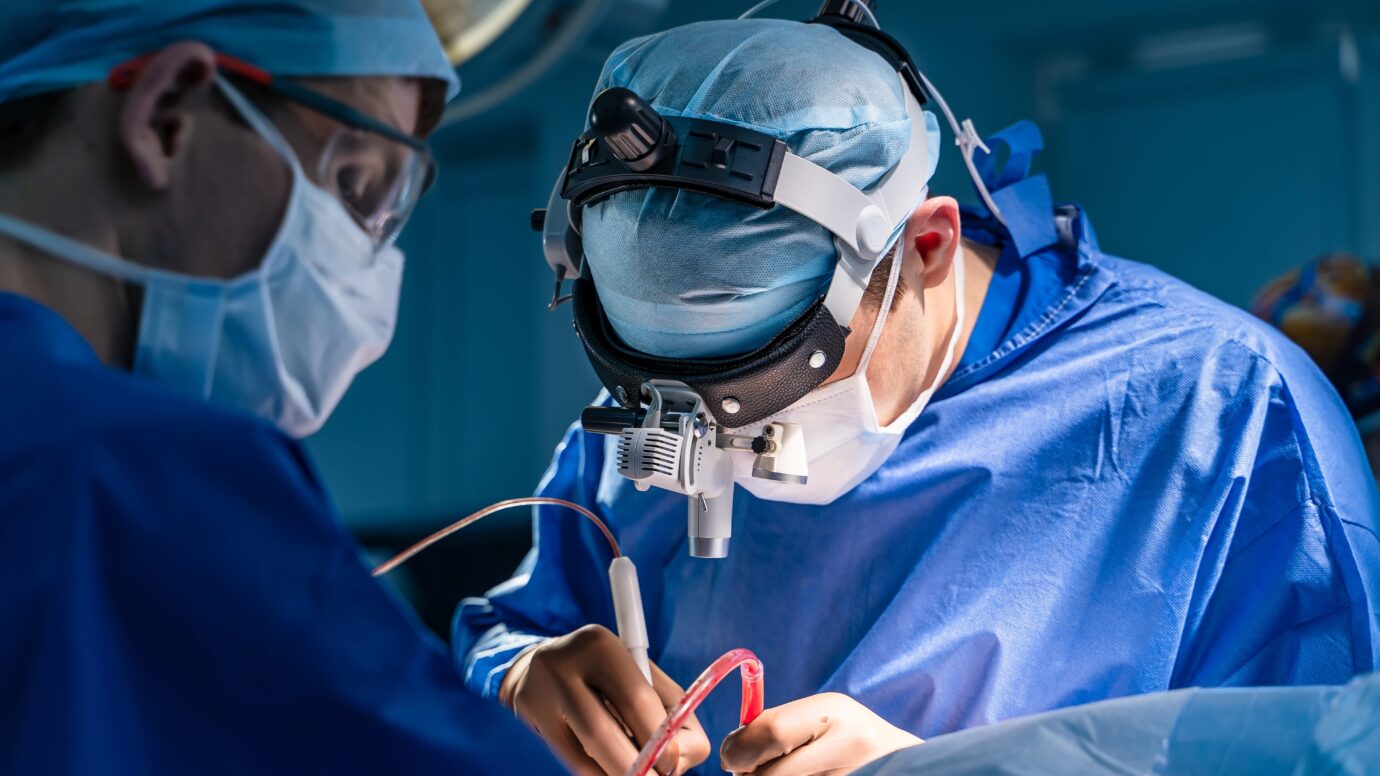
Get Expert Care from Leading Specialists
Our multidisciplinary team at Pacific Neuroscience Institute® specializes in diagnosing and treating strabismus in adults. With expertise in advanced surgical and nonsurgical techniques, our neuro-ophthalmologists provide personalized care to improve eye alignment, restore binocular vision when possible, and enhance overall quality of life.
Written and reviewed by:
The Pacific Neuroscience medical and editorial team
We are a highly specialized team of medical professionals with extensive neurological and cranial disorder knowledge, expertise and writing experience.
Last Updated: