Sinonasal Carcinoma
What is a Sinonasal Carcinoma?
Overview
Sinonasal carcinomas are rare cancers that develop in the nasal sinuses and skull base region. They can include several types, such as sinonasal undifferentiated carcinoma (SNUC), squamous cell carcinoma, giant cell tumors, neuroendocrine tumors, mucoepidermoid carcinomas, and lymphomas.
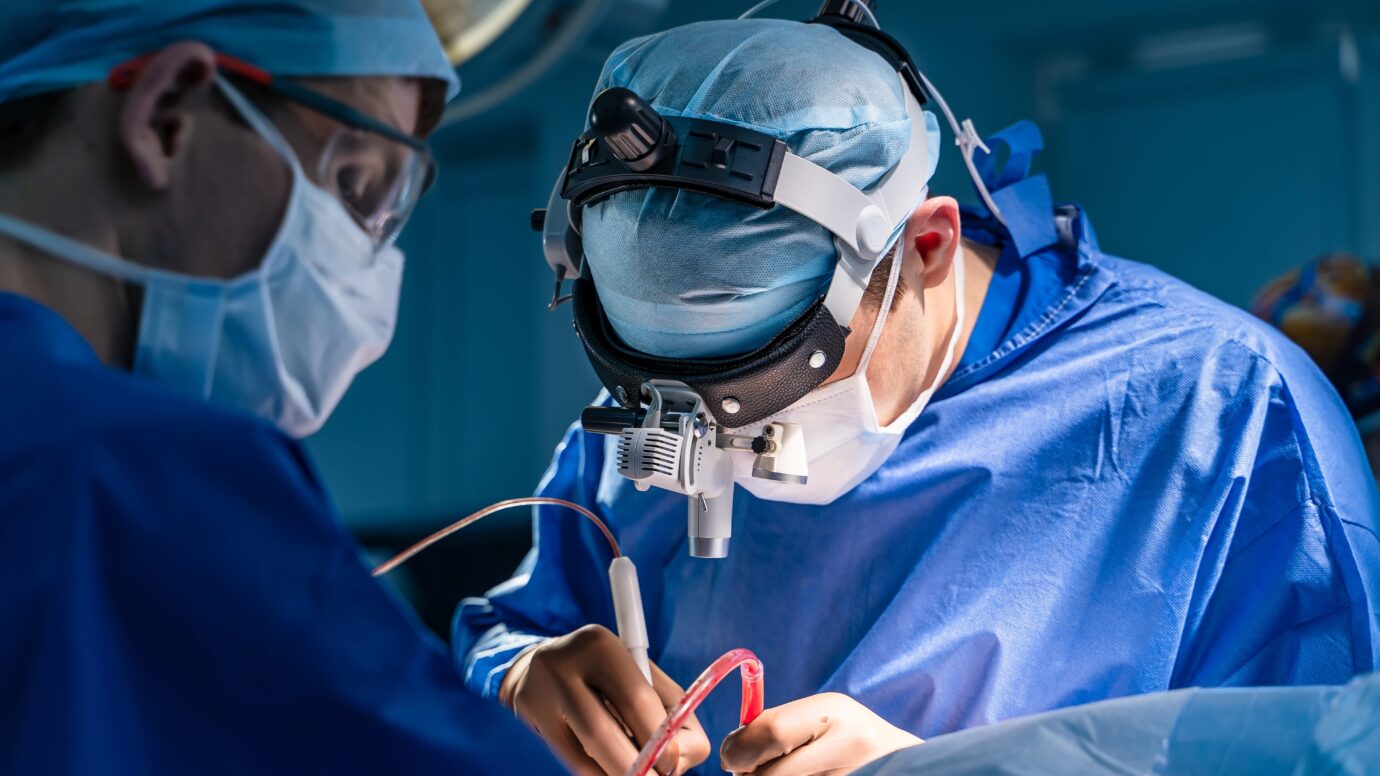
Treatment typically involves maximal surgical removal, often followed by radiation therapy and, in some cases, chemotherapy. In some situations, a biopsy followed by radiation and chemotherapy may be recommended instead. Fortunately, most of these cancers can be treated using a minimally invasive endoscopic endonasal approach, allowing surgeons to access and remove tumors through the nose without external incisions, leading to faster recovery and fewer complications.
These tumors are often locally invasive, meaning they may extend into nearby structures such as the nasal cavity, orbits (eye sockets), and skull base, involving areas like the cavernous sinus, Meckel’s cave, sella, clivus, and cribriform plate. In rare cases, larger or more aggressive tumors can affect the brain and cranial nerves.
Early diagnosis and expert treatment are key. With advances in endoscopic skull base surgery and multidisciplinary cancer care, many patients can achieve excellent outcomes and maintain a good quality of life.
Who is Affected?
Sinonasal carcinomas can affect adults of any age, but they are most commonly diagnosed in individuals between 40 and 70 years old. Certain risk factors, such as tobacco use, occupational exposures to wood dust, leather dust, or industrial chemicals, and a history of chronic sinus inflammation, may increase the risk of developing these tumors. Both men and women can be affected, though some types of sinonasal carcinomas are more frequent in men.
Sinonasal Carcinoma Symptoms & Causes
Symptoms
Sinonasal carcinomas often cause symptoms that can mimic more common sinus conditions, which may delay diagnosis. Tumors that grow into the sellar/pituitary region may cause symptoms of pituitary failure (Hypopituitarism).
Key symptoms include:
- Epistaxis (nasal bleeding)
- Facial pain or pressure
- Headache
- Nasal obstruction or congestion
- Double vision or facial numbness (if the cavernous sinus is involved)
- Changes in smell or vision
- Pituitary hormone symptoms (such as fatigue, weight changes, or menstrual irregularities) if the tumor grows into the sellar/pituitary region
Causes
The exact cause of sinonasal carcinoma is not fully understood. However, risk factors include:
- Environmental and occupational exposures: Long-term exposure to wood dust, leather dust, textile fibers, nickel, and chromium
- Smoking: Tobacco use increases the risk of some sinonasal cancers
- Chronic sinus inflammation or infection
- Human papillomavirus (HPV): Some sinonasal carcinomas are associated with HPV infection
- Genetic changes: DNA mutations may lead to abnormal cell growth in the nasal cavity or sinuses
When to See a Doctor
Early evaluation by an ENT specialist or neurosurgeon is critical for timely diagnosis and treatment. You should seek medical attention if you experience:
- Unexplained or recurrent nosebleeds
- Persistent sinus pain or pressure that doesn’t improve with treatment
- Facial numbness, swelling, or vision changes
- Headaches that worsen over time
- New hormonal changes (such as unexplained fatigue, libido changes, or menstrual irregularities)
Sinonasal Carcinoma Diagnosis
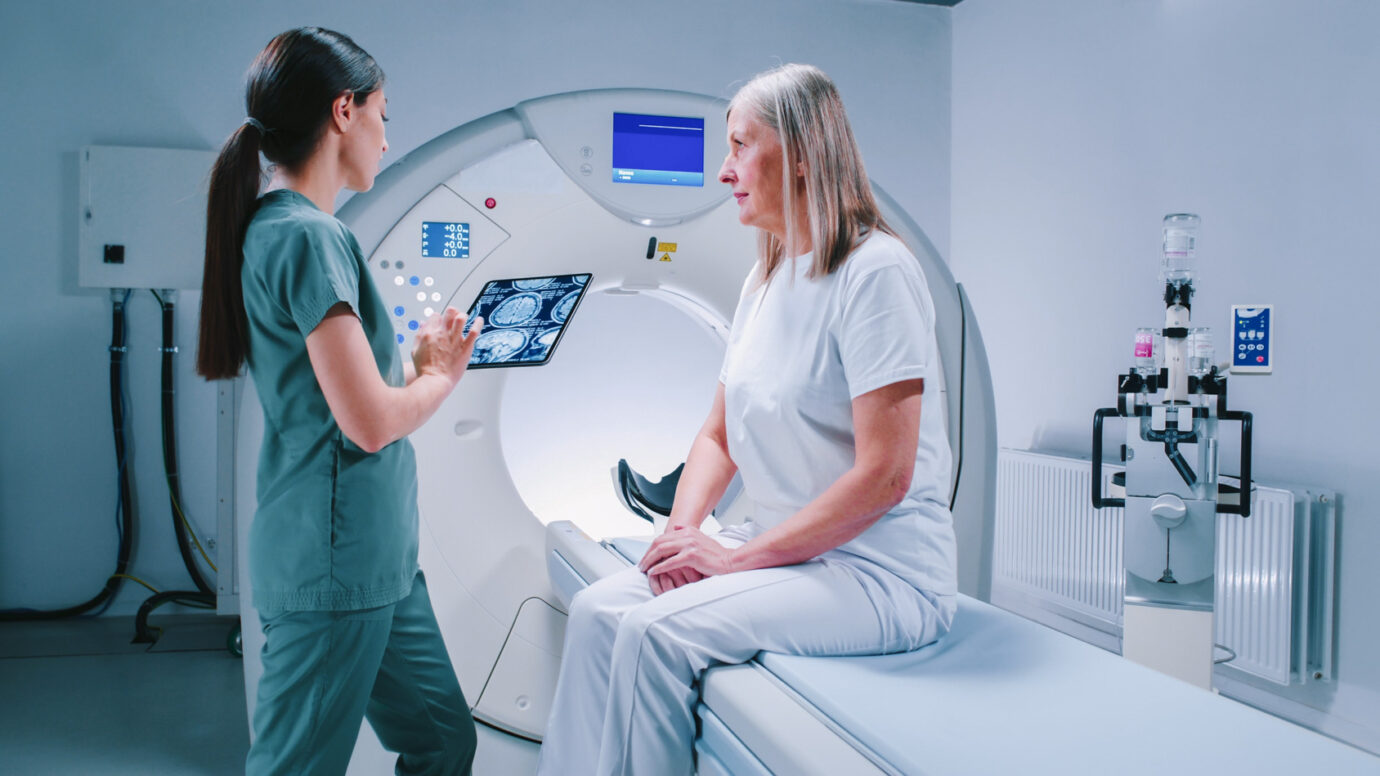
Sinonasal carcinomas are typically diagnosed with imaging studies such as:
Magnetic Resonance Imaging (MRI)
Provides detailed images of the tumor’s size, extent, and involvement of nearby structures like the skull base or orbit.
Computed Tomography (CT) Scan
Helps assess bone involvement and tumor extension.
Endoscopic Biopsy
A tissue sample is obtained via a minimally invasive approach to confirm the diagnosis.
Sinonasal Carcinoma Treatmentrn& Outcomes
Treatment Options
Treatment for sinonasal carcinoma typically involves a multimodal approach, which may include:
Endoscopic Endonasal Surgery
Many sinonasal tumors can now be removed or debulked through the nose using advanced minimally invasive endoscopic techniques, avoiding external incisions and improving recovery time.
Radiation Therapy
Used after surgery to target residual cancer cells and reduce the risk of recurrence.
Chemotherapy
May be recommended for aggressive or advanced tumors, or used alongside radiation for patients who are not surgical candidates.
Our neurosurgeons and ENT (otolaryngology – head & neck) surgeons work closely with radiation oncologists, medical oncologists, and neuropathologists to develop a personalized treatment plan. This includes tumor histological subtyping and genomic sequencing to guide therapy based on the tumor’s unique biology.
Patient Outcomes
With advances in endoscopic skull base surgery, radiation therapy, and chemotherapy, many patients achieve improved survival rates and better quality of life. Early detection and treatment by a multidisciplinary team significantly improve outcomes.
Managing A Sinonasal Carcinoma
Living with sinonasal carcinoma requires comprehensive care, including ongoing monitoring, supportive therapies, and rehabilitation when needed. At PNI, we provide long-term follow-up and support to help patients recover physically and emotionally after treatment.
Meet our Expert Specialists & Surgeons
Experience Compassionate, Expert Care
At Pacific Neuroscience Institute, we have extensive experience treating complex sinus and skull base tumors. By combining leading-edge endoscopic techniques with advanced imaging and precision therapies, we provide safer, less invasive, and more effective treatments—helping patients achieve the best possible outcomes.
Learn More About a Sinonasal Carcinoma
A sinonasal carcinoma is a rare cancer that begins in the nasal cavity or paranasal sinuses. These tumors can be aggressive and may extend into nearby areas like the skull base, orbits, or brain. Diagnosis and treatment typically require a multidisciplinary team with expertise in skull base surgery and cancer care.
The survival rate for sinonasal carcinoma depends on factors such as tumor type, size, stage, and treatment plan. With advances in endoscopic skull base surgery, precision radiation therapy, and chemotherapy, outcomes have significantly improved. Early detection and treatment at a specialized cancer center can increase survival rates.
Sinonasal carcinomas are most often diagnosed in adults between 40 and 70 years old, though they can occur at any age. People with occupational exposures (wood dust, leather dust, industrial chemicals) or a history of chronic sinus inflammation may be at higher risk.
Many sinonasal carcinomas can be effectively treated—and in some cases cured—using a combination of endoscopic endonasal surgery, radiation therapy, and chemotherapy. A personalized treatment plan at a high-volume skull base tumor center offers the best chance for cure and long-term disease control.
A sinonasal tumor may cause symptoms such as facial pain or pressure, persistent nasal congestion, nosebleeds, numbness, or vision changes. These symptoms often mimic sinus infections but persist or worsen over time, signaling the need for evaluation by an ENT or skull base specialist.
Resources

Get Expert Care from Leading Specialists
Our multidisciplinary team at Pacific Neuroscience Institute specializes in the diagnosis and treatment of sinonasal carcinomas and other skull base tumors. With expertise in minimally invasive endoscopic endonasal surgery and advanced cancer care, we tailor treatment to each patient’s needs, ensuring the best possible outcomes.
Written and reviewed by:
The Pacific Neuroscience medical and editorial team
We are a highly specialized team of medical professionals with extensive neurological and cranial disorder knowledge, expertise and writing experience.
Last Updated: