Ptosis (Droopy Eyelid)
What is Ptosis?
Overview
Ptosis (Droopy Eyelid) is the drooping or sagging of one or both upper eyelids. It occurs when the muscles responsible for lifting the eyelid (levator muscles) weaken or become dysfunctional, leading to a reduced ability to open the eye fully.
Ptosis can affect one or both eyes and may vary in severity. It may be minor or significant, covering part or the entire pupil. Ptosis can cause a range of symptoms, including a drooping appearance of the eyelid, a tired or asymmetrical appearance of the eyes, reduced peripheral vision, and, in severe cases, interference with normal vision.
Who is Affected?
Ptosis can affect people of all ages. It is more common in older adults due to natural aging of the levator muscles, but it may also occur in children (congenital ptosis) as a result of improper development of the eyelid muscles. Individuals with neurological conditions, previous eye surgery, trauma, or systemic disorders (such as myasthenia gravis) are at higher risk of developing ptosis.
Ptosis Symptoms & Causes
Symptoms
Ptosis is characterized by the eyelid partially or completely covering the eye and may obstruct vision, depending on severity. To compensate, patients may often tilt their heads back or raise their eyebrows in an attempt to see clearly. In mild cases the droop of the eyelid may barely be noticeable, however a patient may compare a photograph of themselves from several years earlier if they are uncertain as to onset.
New onset of ptosis should be evaluated neuro-ophthalmologically to avoid delay in diagnosis of serious underlying conditions which may have caused the ptosis.
Dermatochalasis is excess skin and may at first glance be mistaken for ptosis. Our experts can help you investigate the cause of eyelid droop, and when indicated, can surgically correct ptosis.
Causes
Ptosis may be secondary to nerve or brain disorders, or may be an indication of ocular disease, neuro-muscular disorders, weakness of the levator muscle or its tendon, orbital disease, injury or aging.
When to See a Doctor
Seek medical attention if you notice:
- Sudden or rapidly worsening eyelid drooping, which could indicate a neurological emergency.
- Changes in vision, such as blurred or blocked vision.
- Asymmetrical eyelid drooping or associated symptoms like double vision, headaches, or facial weakness.
- Eyelid drooping in children, which may interfere with normal vision development.
Early evaluation by an ophthalmologist or neuro-ophthalmologist is essential to identify underlying causes and prevent potential complications.
Ptosis Diagnosis
Diagnosis of ptosis begins with a comprehensive eye exam and detailed medical history. This thorough evaluation helps determine the cause and guide treatment planning. Your provider may perform:
Eyelid Measurements
To assess the degree of drooping.
Neurological Assessment
To rule out nerve-related causes.
Imaging (MRI or CT)
If a brain, orbital, or nerve condition is suspected.
Blood Tests
To check for underlying neuromuscular disorders like myasthenia gravis.
Ptosis Treatment & Outcomes
Treatment Options
Treatment for ptosis depends on its underlying cause and severity. Surgery is generally the course of treatment recommended for ptosis. The levator muscle or tendon that is responsible for eyelid lift is tightened to improve eyelid position and movement, allowing for improved vision and a more aesthetically pleasing appearance.
Treatment decisions are typically made in consultation with an ophthalmologist or oculoplastic surgeon, who will evaluate the individual’s specific condition and recommend the most appropriate course of action.
Patient Outcomes
With proper treatment, many patients experience improved vision and eyelid function, as well as enhanced facial symmetry and appearance. In cases where ptosis is caused by an underlying medical condition, managing that condition is key to preventing recurrence. Post-surgical outcomes are typically excellent, with long-term improvements in both vision and aesthetics.
Managing Ptosis
Our specialists provide personalized care plans to ensure optimal functional and cosmetic outcomes.
Managing ptosis may involve:
- Routine eye exams to monitor changes in eyelid position.
- Non-surgical interventions (like eyelid crutches in glasses) for those not ready for surgery.
- Treatment of underlying conditions (e.g., controlling myasthenia gravis or other systemic issues).
- Surgical correction, when indicated, to restore normal eyelid positioning and function.
Meet our Expert Specialists & Surgeons


Experience Compassionate, Expert Care
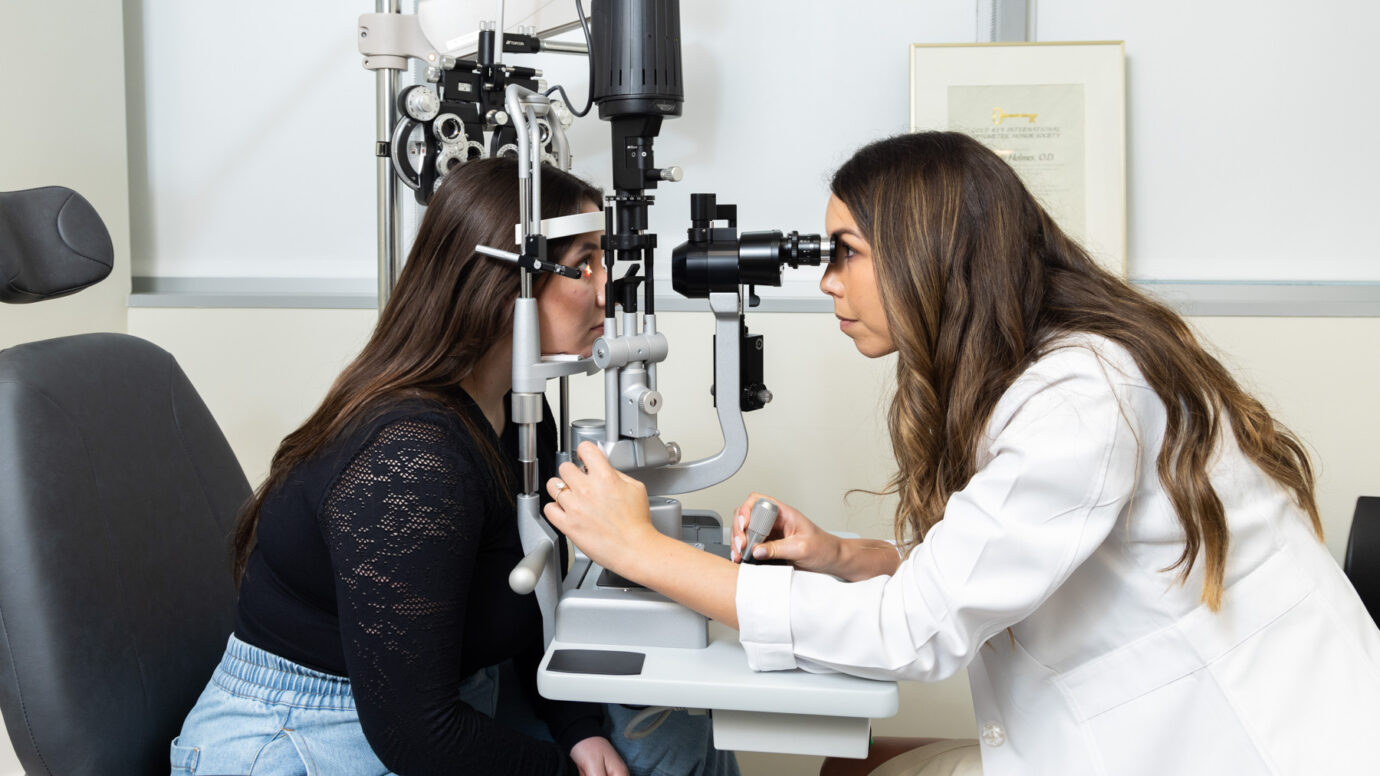
At Pacific Neuroscience Institute, our multidisciplinary team of neuro-ophthalmologists and specialists are experienced in diagnosing and treating all types of ptosis. Whether your condition is age-related, congenital, or caused by an underlying neurological issue, we provide comprehensive evaluations and personalized treatment plans. Our goal is to restore both function and aesthetics, helping you see and feel your best with compassionate, patient-centered care.
Learn More About Ptosis
Treatment depends on the cause and severity. Surgery is the most common and effective option, typically involving tightening or repositioning the eyelid’s levator muscle to lift the lid. In mild or temporary cases, non-surgical solutions like eyelid crutches may help.
The most common cause is age-related weakening of the levator muscles, known as involutional or aponeurotic ptosis. Other causes include neurological conditions, trauma, eye surgery complications, or congenital muscle development issues in children.
If mild, ptosis may only affect appearance. However, in more severe cases, untreated ptosis can block vision, leading to eye strain, headaches, or, in children, amblyopia (lazy eye), which can permanently affect vision development.
It depends on the cause. Age-related or congenital ptosis typically does not resolve on its own and may require surgery. Ptosis related to temporary conditions, such as nerve palsies or trauma, may improve as the underlying issue heals.
There are no proven natural methods to reverse true ptosis, as it involves muscle or nerve dysfunction. However, treating the underlying cause (like managing myasthenia gravis or addressing nerve inflammation) may improve symptoms in some cases.
For many patients, yes. Ptosis surgery can significantly improve vision, eye comfort, and facial symmetry, often enhancing confidence and quality of life. Your surgeon will discuss expected results and recovery so you can make an informed decision.
Resources
Get Expert Care from Leading Specialists
If you are experiencing droopy eyelids that affect your vision or confidence, our specialists at Pacific Neuroscience Institute are here to help. We offer expert diagnosis and tailored treatments, from minimally invasive procedures to advanced eyelid surgery, ensuring the best outcomes for your needs.
Written and reviewed by:
The Pacific Neuroscience medical and editorial team
We are a highly specialized team of medical professionals with extensive neurological and cranial disorder knowledge, expertise and writing experience.
Last Updated: