Parkinson’s Disease
What is Parkinson’s Disease?
Overview
Parkinson’s disease (PD) is a degenerative condition affecting the brain causing a loss of a brain chemical called dopamine manifesting as tremor at rest, slowing down of movements (bradykinesia), stiffness of the limbs (rigidity), and a range of non-motor symptoms.
The part of the brain that is affected is called the basal ganglia, which functions like the autopilot of your brain, facilitating subconscious (automatic) movements. Because PD causes the brain cells in this deep circuitry to deteriorate, patients’ natural movements become slow and stiff. Many patients describe feeling as if they had aged overnight.
Everyday tasks such as getting dressed, writing, picking something up off the floor take twice as long as they used to. Some people describe the feeling of slowness and stiffness as walking through molasses or moving in slow-motion. Because subconscious muscle movements of the face are responsible for one’s facial expressions and others’ interpretation of our mood, patients can be thought to be upset or depressed when they are not. This is known as having a masked face.
The voice is affected too, because the voice box is ultimately controlled by the basal ganglia as well. Thus the voice becomes soft, slurred and hushed. Others may comment that the patient is mumbling. The mumbling goes away temporarily once the patient becomes aware of it but soon returns to the soft, slurred state.
This temporary improvement when attention is paid is true of many of the motor symptoms of PD because the condition primarily affects subconscious movements, and does not directly affect nerve or muscle control at the most basic level. Thus, conscious awareness can override the slowness to a certain extent. This fact is one reason why physical therapy and physical activity are so useful and necessary in treating PD.
Who is Affected?
Parkinson’s disease affects people of all races, ethnicities, and backgrounds, though it is more common in individuals over the age of 60. About one percent of people over 60 are affected, and the likelihood increases with age. While it is considered a disease of older adults, younger people can also develop Parkinson’s, known as young-onset Parkinson’s disease (YOPD), which typically begins before the age of 50. Men are slightly more likely than women to develop PD. Genetics, environmental factors, and head trauma history may all contribute to risk, though in many cases the cause is unknown.
Parkinson’s Disease Symptoms & Causes
Symptoms
Bradykinesia (Slow Movements)
- Slowness of walking and other movements
- Trouble with dexterity
- Delayed reactions physically
- Reduced arm swing or stride length
- Reduced facial reactions (“masked face”)
- Softer or slurred speech
- Smaller handwriting
- Delayed responses mentally
Rigidity
- Stiffness of limb(s)
- Sometimes associated with pain
Rest Tremor
- Tremor in one or both limbs with the limb at rest
- Sometimes also tremor with holding a posture or with actions
- Usually asymmetric
Imbalance, Loss of Balance Reflexes
- May fall backwards
- Anxiety
- Depression
- Fatigue
- Lightheadedness from blood pressure dropping upon standing
- Urinary difficulties such as increased frequency, increased urgency, trouble making it to the bathroom on time (incontinence)
- Hallucinations
- Cognitive difficulties including dementia
- Sleep disturbances, vivid dreams, acting out dreams, REM sleep behavior disorder (RBD)
- Gastrointestinal changes such as constipation, delayed stomach emptying, loss of sense of smell or taste (may precede symptoms by many years)
Causes
The exact cause of Parkinson’s disease is not fully understood. PD develops when dopamine-producing nerve cells in a part of the brain called the substantia nigra begin to deteriorate and die. Dopamine is a chemical messenger that helps control smooth, coordinated muscle movements. Without enough dopamine, the basal ganglia cannot effectively regulate movement. Several factors may play a role in why these brain cells are lost:
- Genetic factors: Some people inherit gene mutations linked to PD, but these account for only a small percentage of cases.
- Environmental exposures: Long-term exposure to certain pesticides, herbicides, or heavy metals may increase risk.
- Age-related changes: As we age, the brain becomes more susceptible to oxidative stress and inflammation.
- Other contributing factors: Head injury, certain toxins, and lifestyle may interact with genetic predispositions.
When to See a Doctor
Early evaluation by a neurologist—especially a movement disorders specialist—can lead to earlier symptom management and better long-term quality of life. You should seek medical advice if you or a loved one notice:
- Persistent tremors in the hands, fingers, or other body parts
- Stiffness or difficulty moving
- Slowness in walking or daily activities
- Changes in handwriting, speech, or facial expression
- Loss of balance or frequent falls
Parkinson’s Disease Diagnosis
Parkinson’s disease is a “clinical diagnosis,” meaning that it is based on the patient’s exam and history. There is no blood test for PD. An MRI is sometimes done to exclude other conditions that can mimic PD, but is not necessary if the clinical signs are consistent with the disease.
Our clinics offer DaTscan, a functional imaging technique that accurately distinguishes between Parkinson’s tremor and other causes of tremor.
Parkinson’s Disease Treatment & Outcomes
Treatment Options
At the Pacific Movement Disorders Center, our approach is to tailor the medical and surgical treatment to maximize the ability of the patient to exercise. Our individualized treatments reduce the symptoms of Parkinson’s disease.
- The best form of treatment is exercise, exercise, exercise!
- Depending on the patient, this may mean physical therapy, participation in PD-specific exercise classes, working with a personal trainer, use of fitness videos, or independent exercise. The idea is to tailor the medical and surgical treatment to maximize the ability of the patient to exercise.
- Speech therapy can be helpful for slow, soft, or slurred speech.
- Medication for motor symptoms
- Management for non-motor symptoms
- Physical Therapy
- Focused ultrasound for tremor-dominant PD
- Focused ultrasound is an incisionless treatment for patients with tremor-dominant Parkinson’s disease (TDPD) who have not responded to medication. It targets a small area of the brain called the ventral intermediate nucleus, resulting in reduced tremors. For patients who cannot undergo surgical procedures due to medical contraindications, FUS avoids surgical risks such as infection and bleeding.
This is advised when the disease progresses and the medications are no longer controlling the symptoms of PD adequately.
- As the disease progresses, Levodopa still works, but the brain’s response to the medication becomes less predictable. Levodopa may take longer to kick in and may wear off earlier, requiring patients to take medication more frequently during the day. Higher doses of levodopa are associated with abnormal involuntary movements, known as dyskinesias (this does not include tremor). Unpredictable medication effect results in “OFF” time when patients feel stiff, rigid, stuck, frozen, slow, or fatigued, compared to “ON” time when movements are smooth and closer to normal.
- Treatment options as the disease progresses include taking levodopa more frequently; making the medication last longer by adding medications to reduce the metabolism of levodopa, or dopamine (Comtan, Azilect) adding or changing to long-acting forms of levodopa (Sinemet CR, Rytary), or adding or changing to long-acting forms of dopamine agonist (Neupro patch). Amantadine can be added to reduce dyskinesia. As these options are being considered and implemented, it’s time to consider deep brain stimulation surgery (DBS).
- Deep brain stimulation surgery is FDA-approved for the treatment of motor complications in Parkinson’s disease and is not experimental. DBS is not a last-resort treatment. It has been shown that DBS is more beneficial when performed earlier in the course of the disease compared to waiting for disability.
Patient Outcomes
While Parkinson’s disease is a progressive condition with no cure yet, many patients live fulfilling lives for decades after diagnosis. Early treatment, a tailored medication plan, regular exercise, and access to specialized care can significantly improve motor function, mood, and independence. Deep brain stimulation and focused ultrasound have been shown to reduce symptoms, improve quality of life, and allow for reduction of medication doses.
Outcomes vary depending on age at onset, overall health, and how early treatment begins. Patients who stay active, socially engaged, and receive multimodal care tend to experience slower symptom progression and maintain better daily function.
Cognitive changes, including dementia, can affect many people with Parkinson’s disease, with the likelihood increasing over time and with advancing age. Research shows that approximately 75% of those living with PD for more than 10 years may develop Parkinson’s disease dementia (PDD).
At the Pacific Movement Disorders Center and Pacific Brain Health Center, we view this not as an unavoidable outcome, but as a challenge to be met. Our mission is to work alongside our patients to slow or alter the course of Parkinson’s disease and explore innovative strategies to help prevent dementia.
Managing Parkinson’s Disease
Living well with Parkinson’s disease involves more than medication—it requires a proactive approach to self-care, therapy, and support. Strategies include:
Regular Exercise
Activities such as walking, cycling, dancing, or boxing can help maintain mobility and balance.
Speech and Occupational Therapy
These therapies improve communication, swallowing, fine motor skills, and daily activity adaptations.
Healthy Lifestyle Habits
Eating a balanced diet, getting adequate sleep, and staying socially engaged support brain and body health.
Stress Management
Mindfulness, meditation, and support groups can reduce anxiety and depression.
Regular Follow-Ups
Ongoing evaluation by a movement disorders specialist ensures your treatment plan adapts to changes over time.

Experience Compassionate, Expert Care
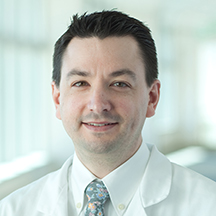
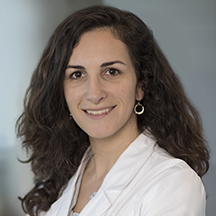
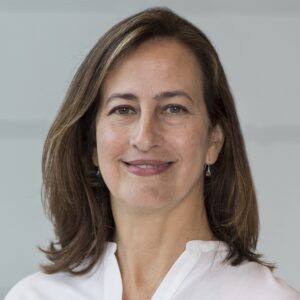
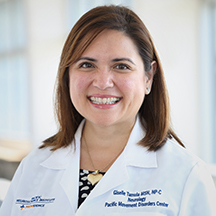
At the Pacific Neuroscience Institute’s Movement Disorders Center, we provide a personally tailored approach to the management of Parkinson’s disease including the use of the newest FDA-approved medications and the use of focused ultrasound (FUS) or deep brain stimulation (DBS) when appropriate. We have clinics in Santa Monica and Torrance, CA and serve all of West Los Angeles and Southern California communities.
Learn More About Parkinson’s Disease
Yes. Parkinson’s disease itself is not typically life-threatening, and many people live for decades after diagnosis. Life expectancy can be close to normal, especially with early diagnosis, proper treatment, and healthy lifestyle habits. While symptoms will progress over time, treatments—especially when managed by a movement disorder specialist—can help maintain independence and quality of life for many years.
Life with Parkinson’s disease varies from person to person. In the early stages, many people continue to work, drive, travel, and enjoy hobbies with few limitations. As the condition progresses, motor symptoms (like tremor, stiffness, and slowness) and non-motor symptoms (like fatigue, sleep issues, or mood changes) may require adjustments. Staying active, socially connected, and following a personalized care plan can help people live fulfilling, engaged lives.
The best approach combines medication, regular exercise, therapy, and ongoing medical care. Evidence strongly supports daily physical activity—such as walking, cycling, boxing, tai chi, or swimming—to slow functional decline. Medications like levodopa help control motor symptoms, while speech therapy, occupational therapy, and counseling can address communication, daily living skills, and mood. Seeing a movement disorder specialist ensures your care plan evolves as symptoms change.
After a diagnosis, your neurologist will create a treatment plan tailored to your symptoms, lifestyle, and goals. This may include starting medications, beginning an exercise program, and scheduling follow-up visits to monitor your progress. You’ll also learn about the condition, available therapies, and support resources. Early diagnosis is an opportunity to take proactive steps that can significantly improve long-term outcomes.
Parkinson’s disease progression is different for everyone. For some, it may take more than 10–15 years to advance from stage 1 (mild symptoms) to stage 4 (more advanced symptoms affecting independence). Others may progress more quickly, depending on factors like age at onset, overall health, and response to treatment. Staying active, following your treatment plan, and addressing non-motor symptoms can help slow functional decline.
Resources
Get Expert Care from Leading Specialists
For those diagnosed with Parkinson’s disease, our movement disorders neurologists and restorative surgeons provide expert diagnosis and personalized treatment plans. We collaborate closely with patients and their families to manage symptoms, improve quality of life, and offer compassionate, comprehensive support throughout the disease journey.
Written and reviewed by:
The Pacific Neuroscience medical and editorial team
We are a highly specialized team of medical professionals with extensive neurological and cranial disorder knowledge, expertise and writing experience.
Last Updated: