Orbital or Eyelid Injury
What is an Orbital or Eyelid Injury?
Overview
Orbital or eyelid injuries involve trauma to the delicate structures around the eye, including the eyelids, surrounding tissues, and the bony socket (orbit) that houses the eye. These injuries can range from mild bruising to complex fractures and lacerations that require urgent medical attention. Damage to these areas can affect vision, eye movement, and appearance, making early and accurate diagnosis critical.
Common types of orbital injuries include fractures of the orbital bones, deep lacerations, foreign body penetration, and blunt trauma. These injuries may result from accidents, sports injuries, falls, physical altercations, or workplace hazards. Prompt care helps protect both eye function and cosmetic outcome.
Who is Affected?
Orbital or eyelid injuries can occur in people of all ages and backgrounds. However, certain groups are more at risk, including:
- Athletes participating in contact sports or activities with flying objects (e.g., baseball, racquet sports).
- Workers in hazardous environments such as construction or manufacturing.
- Children who may sustain injuries from falls or accidents during play.
- Older adults who may be more prone to falls and bone fractures.
- Individuals involved in motor vehicle collisions where facial trauma is common.
Orbital or Eyelid Injury Symptoms & Causes
Symptoms
Symptoms vary depending on the type and severity of the injury but may include:
- Orbital fracture: Pain, double vision, eyelid swelling, numbness in the upper lip or cheek on the side of the fracture, swelling and bruising around the eye.
- Decreased or blurry vision.
- Redness or bleeding.
- Difficulty moving the eye in certain directions.
- Sunken or bulging appearance of the eye.
- Foreign body sensation in the eye.
- Eyelid lacerations (cuts).
Causes
Common causes of orbital or eyelid injuries include:
- Explosive injuries in industrial or combat environments.
- Blunt trauma from sports injuries, accidents, or physical assaults.
- Falls resulting in direct facial impact.
- Motor vehicle accidents.
- Penetrating injuries from sharp objects or debris.
- Chemical exposure causing burns or tissue damage.
- Thermal injuries from heat or fire.
When to See a Doctor
Seek immediate medical attention if you experience any of the following after an eye or facial injury:
- Foreign objects embedded in or around the eye.
- Vision loss or sudden blurriness.
- Severe eye pain or headache.
- Double vision that develops suddenly.
- Eyelid lacerations, especially if deep or near the eyelash margin.
- Swelling, bruising, or deformity around the eye socket.
- Inability to move the eye normally.
- Bleeding from the eye or deep tissue exposure.
Orbital or Eyelid Injury Diagnosis
The patient’s medical history and cause of injury greatly determine the course of action that our specialists take to treat the injury.
CT scanning is often performed in the office, if not already done.
- An eye exam is conducted.
- Inspection and examination of any lacerations.
- Orbital and sensorimotor evaluations.
- Vision, visual function and optic nerve and retinal analyses may be performed to assess potential damage to the eye or vision.
- Orbital ultrasonography may be performed.
Orbital or Eyelid Injury Treatmentrn& Outcomes
Treatment Options
Treatment depends on the severity and type of injury. Some minor injuries can be managed conservatively, while more severe cases require surgical intervention.
Immediate treatment should be sought for:
- Chemical exposure.
- Lacerations to the eyelid, eyelid margin, or eyeball.
- Foreign particles that cannot be removed with gentle irrigation.
- Solar retinopathy or light-induced eye injury.
Treatment options include:
- Reconstructive surgery to restore normal anatomy and protect vision.
- Wound repair for lacerations using specialized suturing techniques to preserve function and appearance.
- Orbital fracture repair to restore normal eye position and movement.
- Foreign body removal.
- Medical therapy for swelling, infection prevention, and pain management.
Patient Outcomes
With prompt, expert care, many patients experience excellent recovery in both vision and appearance. Outcomes depend on the severity of the injury, the structures involved, and how quickly treatment begins. Complex fractures and deep lacerations may require staged surgical repair, but most patients regain normal function and cosmetic results with proper intervention.
Managing an Orbital or Eyelid Injury
Follow your ophthalmologist’s wound care instructions carefully.
- Avoid rubbing or pressing on the injured eye.
- Wear protective eyewear during recovery if recommended.
- Use prescribed medications (antibiotics, anti-inflammatory drops) as directed.
- Attend all follow-up appointments to monitor healing and prevent complications.
- Maintain good nutrition to support tissue repair.
Meet our Expert Specialists & Surgeons


Experience Compassionate, Expert Care
At Pacific Neuroscience Institute, our oculoplastic and orbital surgery team combines advanced microsurgical skills with leading-edge imaging technology to provide the highest standard of care. Our state-of-the-art facilities allow for in-office imaging, precise diagnosis, and timely treatment.
Patients benefit from our multidisciplinary approach, involving neuro-ophthalmologists, neurosurgeons, and reconstructive specialists when needed.
Learn More About An Orbitalrnor Eyelid Injury
With prompt diagnosis and proper treatment, most patients recover well, regaining both functional vision and natural appearance. Severe injuries may require multiple surgeries but can still result in excellent long-term outcomes.
Symptoms may include severe swelling and bruising, double vision, numbness in the cheek or upper lip, and changes in eye position. A CT scan confirms the diagnosis.
It may feel painful when moving the eye, and the surrounding area may be tender, swollen, or numb.
Sometimes, but restricted movement can occur if muscles or tissues are trapped in the fracture.
It may feel deep, throbbing, or sharp, and can worsen with eye movement.
Minor fractures may heal on their own with observation. Significant fractures often require surgical repair.
Go immediately if you have sudden vision loss, deep lacerations, chemical exposure, severe pain, or a foreign object in the eye.
Seek medical care — cuts inside the eyelid require specialized treatment to prevent infection and preserve eyelid function.
Vision changes, bleeding, severe swelling, deep cuts, or inability to move the eye should be evaluated immediately.
These terms refer to damage to the eye itself (ocular) or the surrounding bone and tissues (orbital).
Resources
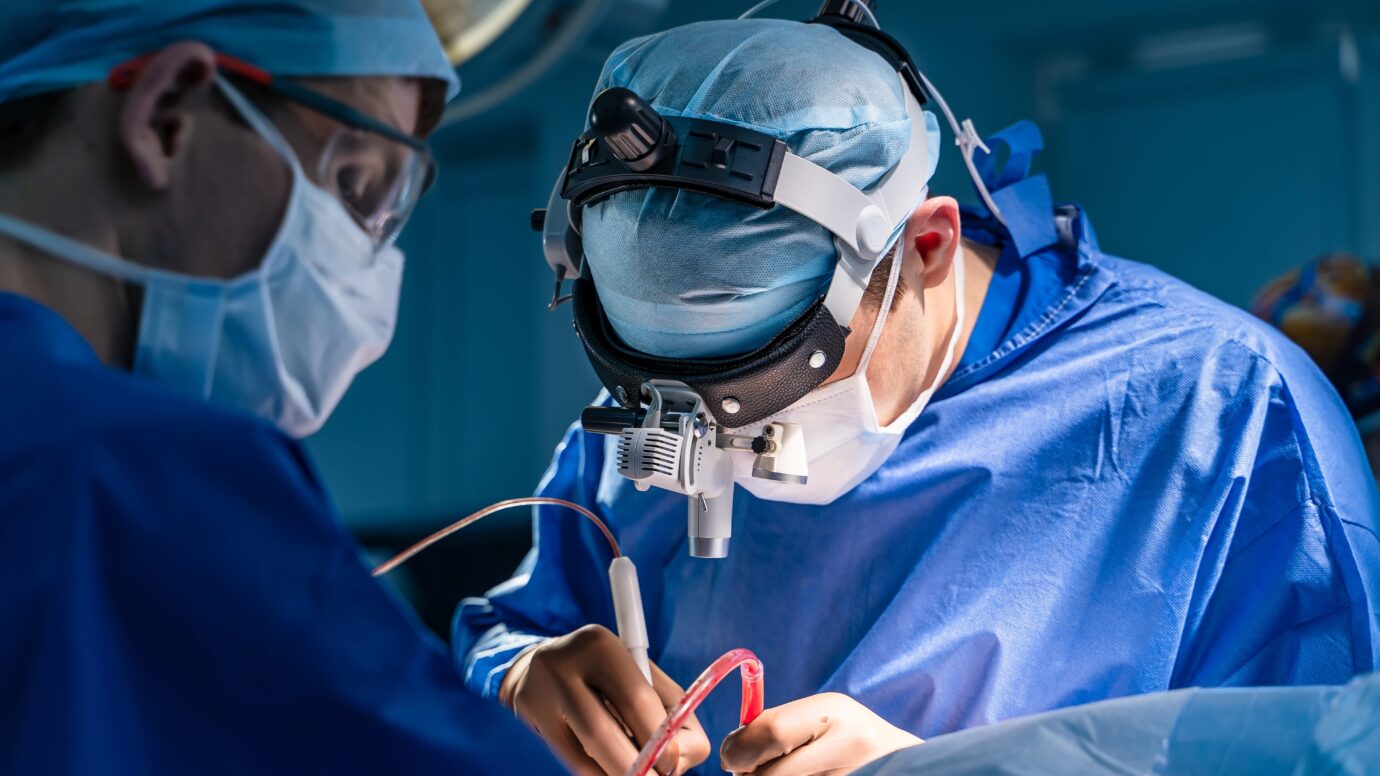
Get Expert Care from Leading Specialists
If you have sustained an orbital or injury, seeking prompt evaluation from experienced specialists can make all the difference. Our team at Pacific Neuroscience Institute provides advanced, personalized care to restore both vision and appearance.
Written and reviewed by:
The Pacific Neuroscience medical and editorial team
We are a highly specialized team of medical professionals with extensive neurological and cranial disorder knowledge, expertise and writing experience.
Last Updated: