Late-Life Anxiety
What is Anxiety?
Overview
Anxiety is a mental health condition characterized by excessive and persistent feelings of fear, worry, or unease. Anxiety disorders encompass a wide range of conditions, including generalized anxiety disorder (GAD), panic disorder, social anxiety disorder, and specific phobias. These disorders are typically associated with significant distress and impairment in daily functioning.
Anxiety in Older Adults
Anxiety in later life (late-life anxiety) often presents differently than in younger individuals. In fact, older patients who experience major depression also meet the criteria for generalized anxiety disorder (GAD) in more than 50% of cases. Some older adults may also meet the criteria for panic disorder.
In many cases, anxiety symptoms may be secondary to appropriate fears in threatening or stressful situations. For example:
- Older adults living in urban settings may fear being attacked while walking on the streets.
- Those with memory loss who live alone may fear getting lost on the way to the doctor’s office.
- Individuals who have lost some reflex sharpness may fear driving on busy, crowded highways.
Understanding these fears within their context is essential for appropriate diagnosis and treatment.
Who is Affected
Anxiety can affect people of all ages, but late-life anxiety is more common in:
- Adults over the age of 60, especially those experiencing major life changes (retirement, bereavement, loss of independence).
- Individuals with a history of depression or other mental health conditions.
- Those living with chronic medical conditions such as heart disease, diabetes, or cognitive decline.
- Older adults who live alone or are socially isolated.
Anxiety Symptoms & Causes
Symptoms
Individuals with anxiety disorders often experience:
- Emotional symptoms: Excessive worrying, restlessness, irritability, difficulty concentrating.
- Physical symptoms: Muscle tension, rapid heartbeat, shortness of breath, sweating, trembling, gastrointestinal discomfort, and sleep disturbances.
- Panic attacks may also occur. These are discrete periods of intense fear or discomfort that peak within 10 minutes and may include:
- Heart: Palpitations, chest pain, nausea.
- Breath: Shortness of breath, choking sensations, dizziness, numbness or tingling (paresthesias), hot/cold flashes.
- Fear: Intense fear of dying, “going crazy,” derealization (feeling detached from reality), or depersonalizatio
Causes
Anxiety disorders in older adults can result from a combination of:
- Biological factors: Imbalances in neurotransmitters like serotonin and GABA.
- Psychological factors: Trauma, chronic stress, family history of anxiety.
- Medical causes:
- Hyperthyroidism
- Cardiac arrhythmia
- Pulmonary emboli
- Hypoglycemia
- Medication side effects (including caffeine, sympathomimetic drugs, and anticholinergic agents)
- Withdrawal from anti-anxiety medications
When to See a Doctor
Seek medical evaluation if:
- There is co-occurring depression, thoughts of self-harm, or major changes in mood or behavior.
- Anxiety interferes with daily functioning or independence.
- There are new or worsening symptoms, especially physical ones like chest pain, shortness of breath, or dizziness.
- Panic attacks are frequent or disabling.
Anxiety Diagnosis
Diagnosing anxiety in older adults requires a comprehensive approach. Healthcare providers perform clinical interviews, administer self-report questionnaires, and may observe symptoms over time. It is essential to rule out medical conditions—such as thyroid problems, heart disease, or medication side effects—that can mimic anxiety.
Anxiety Treatment & Outcomes
Treatment Options
Late-life anxiety is highly treatable. Options may include:
- Psychotherapy: Cognitive behavioral therapy (CBT) and supportive counseling are highly effective.
- Medications: Antidepressants (SSRIs, SNRIs) and anti-anxiety medications may be prescribed with careful monitoring.
- Lifestyle interventions: Regular physical activity, stress-reduction techniques, and social engagement.
- Treatment of underlying medical issues: Addressing contributing health conditions or adjusting medications.
Patient Outcomes
With appropriate treatment, many older adults experience significant symptom relief, improved quality of life, and better overall functioning. Early intervention can prevent the progression of symptoms and reduce the risk of complications such as depression or physical decline.
Managing Anxiety
Managing anxiety often involves:
- Limiting caffeine and alcohol intake, which can worsen anxiety.
- Maintaining a regular daily routine to promote stability.
- Engaging in physical activity appropriate for age and health status.
- Practicing relaxation techniques such as deep breathing, meditation, or mindfulness.
- Staying socially connected to reduce isolation.
- Adhering to prescribed medications and regularly checking in with healthcare providers.
Meet our Expert Specialists
Our multidisciplinary team includes psychiatrists, psychologists, neurologists, geriatric specialists, and supportive care providers who work together to address the unique needs of older adults with anxiety.




Experience Compassionate, Expert Care
At Pacific Neuroscience Institute, we provide comprehensive care tailored to older adults. Our specialists are experienced in diagnosing and treating complex late-life anxiety disorders, using a compassionate, whole-person approach.
Our patients benefit from:
- Specialized expertise in older adult mental health and neurological care.
- State-of-the-art facilities for assessment and treatment.
- Collaborative care across disciplines, ensuring personalized and coordinated treatment.
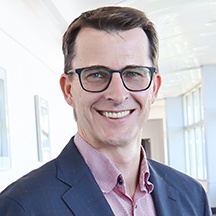
Our geriatric psychiatrist, Dr. David Merrill, offers kind, compassionate, thorough clinical evaluations and follows depression treatment guidelines, helping the patient to stay connected with the activities and people who matter to them. Contact us at 310-582-7641 to schedule a consultation.
Learn More About Anxiety
The prognosis for late-life anxiety is generally favorable, especially when it is identified and addressed early. Many older adults see meaningful improvement with a combination of supportive therapies, healthy lifestyle habits, and appropriate clinical care. Anxiety may fluctuate over time, but with consistent management, most individuals can maintain a good quality of life and stable daily functioning.
Common signs of anxiety in older adults may include:
- Persistent worry or fear that feels difficult to control
- Physical symptoms such as restlessness, muscle tension, or a racing heart
- Sleep disturbances, including trouble falling or staying asleep
- Difficulty concentrating or feeling mentally “on edge”
- Avoidance of activities, situations, or social interactions due to worry
Symptoms can vary widely and may overlap with medical conditions common in later life.
Effective approaches often include a combination of therapy, stress-reduction techniques, social engagement, and lifestyle adjustments such as physical activity, sleep support, and structured routines. Some people may benefit from medication depending on their symptoms and medical history. Because late-life anxiety can be influenced by medical, cognitive, or emotional factors, a personalized plan created with a clinician often provides the most benefit.
During an anxiety or panic episode, many people find relief through slow breathing, grounding techniques, changing their environment, or engaging the senses to interrupt the stress response. Support from a trained professional can help individuals learn strategies to manage these episodes more effectively. A clinician can also determine whether panic symptoms are related to anxiety or another medical condition.
Calming strategies may include deep breathing, mindfulness exercises, gentle movement, spending time in nature, or connecting with a supportive person. Regular routines—such as balanced meals, sleep stability, and physical activity—can also help reduce symptoms over time. Approaches vary from person to person, so exploring techniques with a clinician can be helpful.
Yes. Anxiety disorders are considered mental health conditions, but they are also highly common and highly treatable, especially in older adults. Anxiety can also occur alongside medical or cognitive conditions, which is why a comprehensive evaluation is often recommended to understand the full picture.
Signs may include persistent worry, a sense of fear or dread, physical tension, a racing heartbeat, restlessness, or difficulty focusing. In older adults, anxiety can also appear as increased irritability, sleep changes, or avoidance of certain activities. Because these symptoms can also occur with medical conditions, discussing them with a clinician helps ensure an accurate understanding.
There is no single “best” medication for late-life anxiety. Treatment depends on a person’s symptoms, overall health, other medications, and potential side effects. Clinicians may consider antidepressants, anti-anxiety medications, or other therapies when appropriate. A healthcare professional can determine which option is safest and most effective for an individual’s needs.
Resources

Get Expert Care from Leading Specialists
At Pacific Neuroscience Institute® (PNI), our specialists at the Pacific Brain Health Center provide comprehensive evaluations for older adults experiencing anxiety, mood changes, or cognitive concerns. We take a compassionate, personalized approach to care, ensuring that every patient receives the right combination of therapies to improve quality of life and emotional well-being.
Written and reviewed by:
The Pacific Neuroscience medical and editorial team
We are a highly specialized team of medical professionals with extensive neurological and cranial disorder knowledge, expertise and writing experience.
Last Updated: