Epidermoid Cyst
What is an Epidermoid Cyst?
Overview
Epidermoid cysts, also known as epidermal inclusion cysts, are benign growths that develop beneath the skin. These relatively uncommon cysts or tumors arise from stratified squamous epithelium (the outermost layer of the skin) along the surface of the brain. The most common locations are around the brainstem, pituitary gland and in the posterior fossa along the sides of the cerebellum.
These cysts are typically slow-growing and contain a thick, yellowish material called keratin and can cause symptoms from increasing pressure on brain structures.
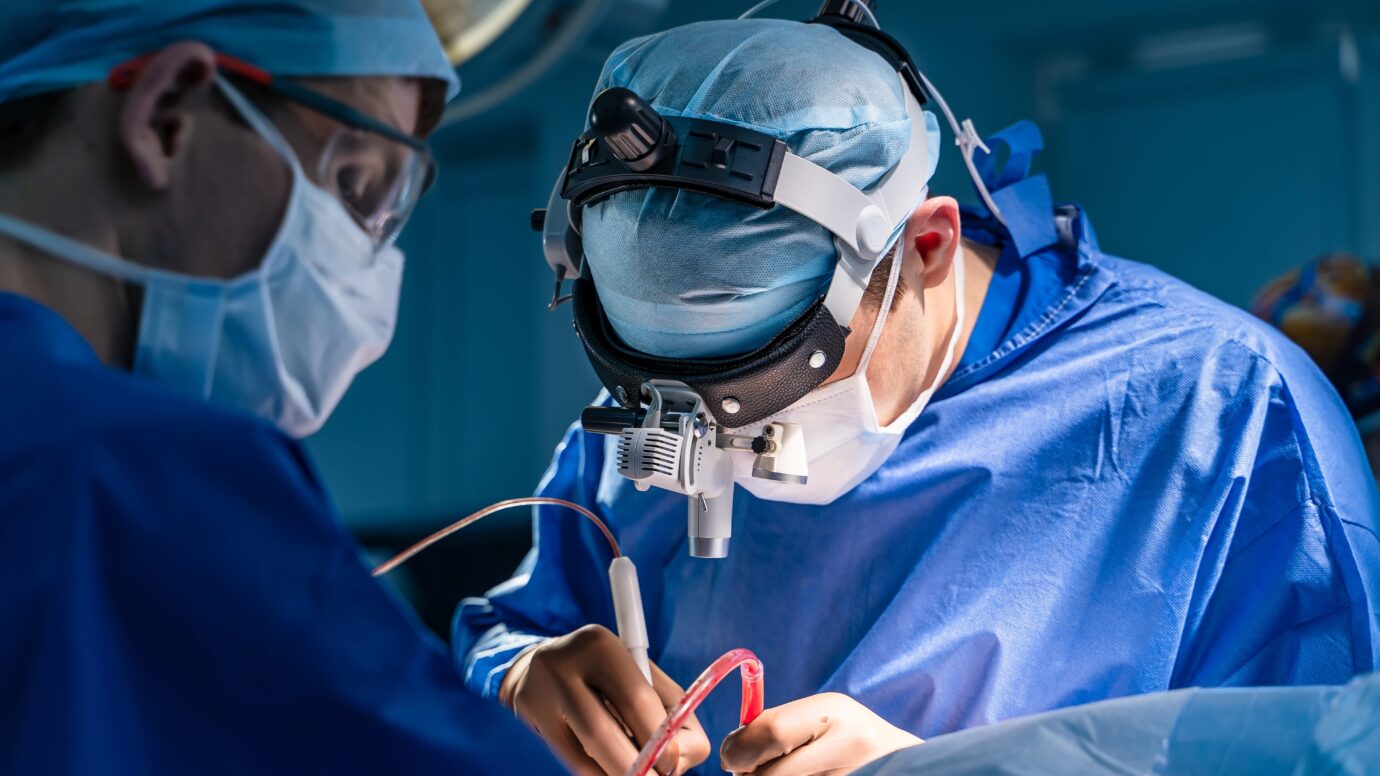
Epidermoid cyst surgery is recommended for symptomatic cysts. Most cysts can be removed through one of several endoscopic keyhole routes depending upon cyst size and location.
Epidermoid cysts of the skin can develop on any part of the body, but are often found on the face, neck, back, or genitals. These cysts are typically painless unless they become infected or inflamed.
Who is Affected?
Epidermoid cysts can occur in individuals of all ages and both genders, although they are more commonly observed in adults. Intracranial epidermoid cysts are rare, representing about 1% of all brain tumors.
Epidermoid Cyst Symptoms & Causes
Symptoms
The clinical presentation of epidermoid cysts may vary depending on their size, location, and any associated complications. Small cysts may be asymptomatic and go unnoticed, while larger cysts can cause cosmetic concerns or discomfort due to pressure on surrounding tissues. Infected cysts may become red, swollen, tender, and produce a foul-smelling discharge. As the epithelial lining continues to produce the soft white keratin material, the cyst puts pressure on the adjacent brain structures and cranial nerves.
This cyst expansion can lead to:
- Headaches
- Weakness
- Imbalance
- Visual loss
- Double vision
- Seizures depending upon the cyst location
Some epidermoid cysts can rupture and result in a meningitis-type reaction from inflammation.
Causes
The exact cause of epidermoid cysts is not fully understood, but they are believed to develop as a result of a blocked hair follicle or skin trauma that causes the epidermal cells to be trapped beneath the skin’s surface. This leads to the formation of a cystic structure that gradually enlarges over time.
When to See a Doctor
Early diagnosis and treatment help prevent complications from cyst growth or rupture. Seek medical evaluation if you experience:
- Persistent or worsening headaches.
- New neurological symptoms such as weakness, visual changes, imbalance, or seizures.
- Noticeable swelling or lumps on the skin that increase in size or become painful/red.
Epidermoid Cyst Diagnosis
Diagnosing epidermoid cysts is usually straightforward based on their characteristic appearance and clinical history.
Imaging Studies
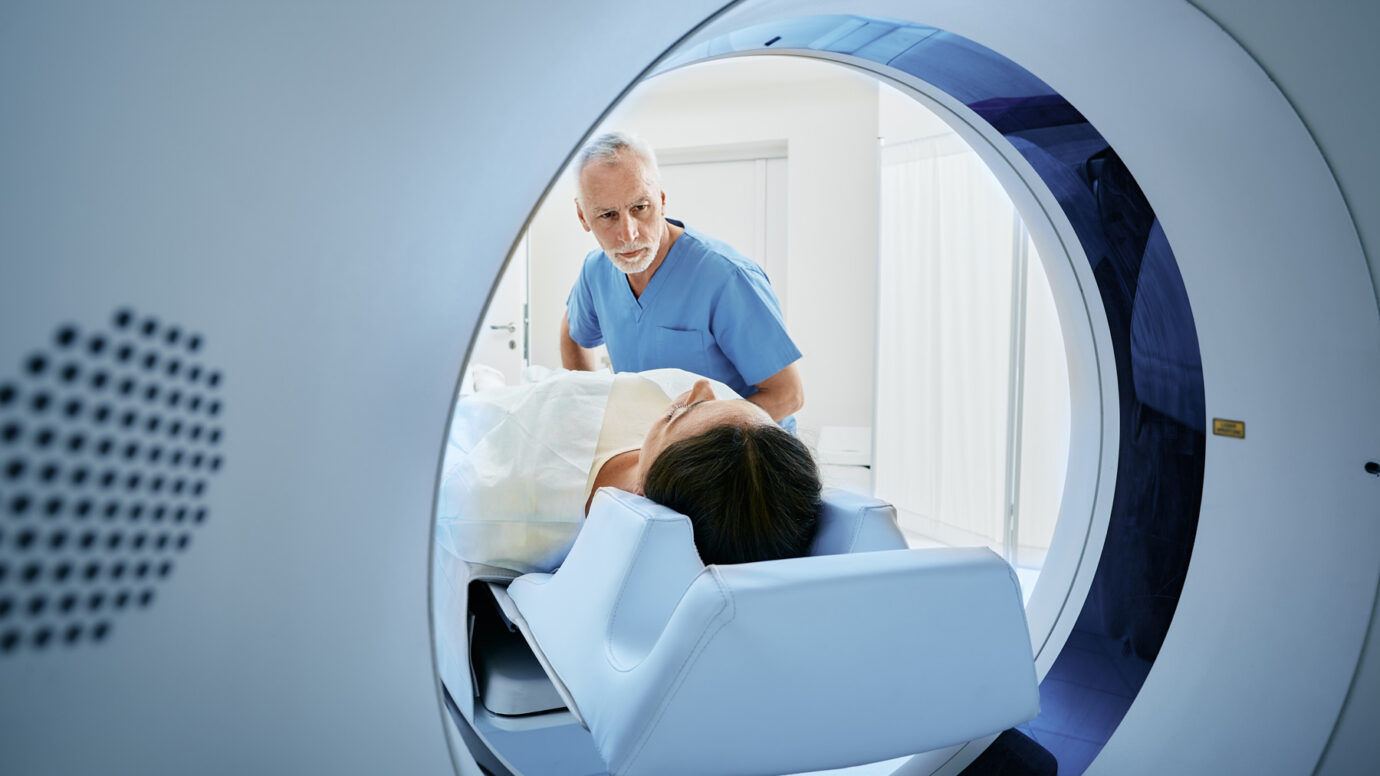
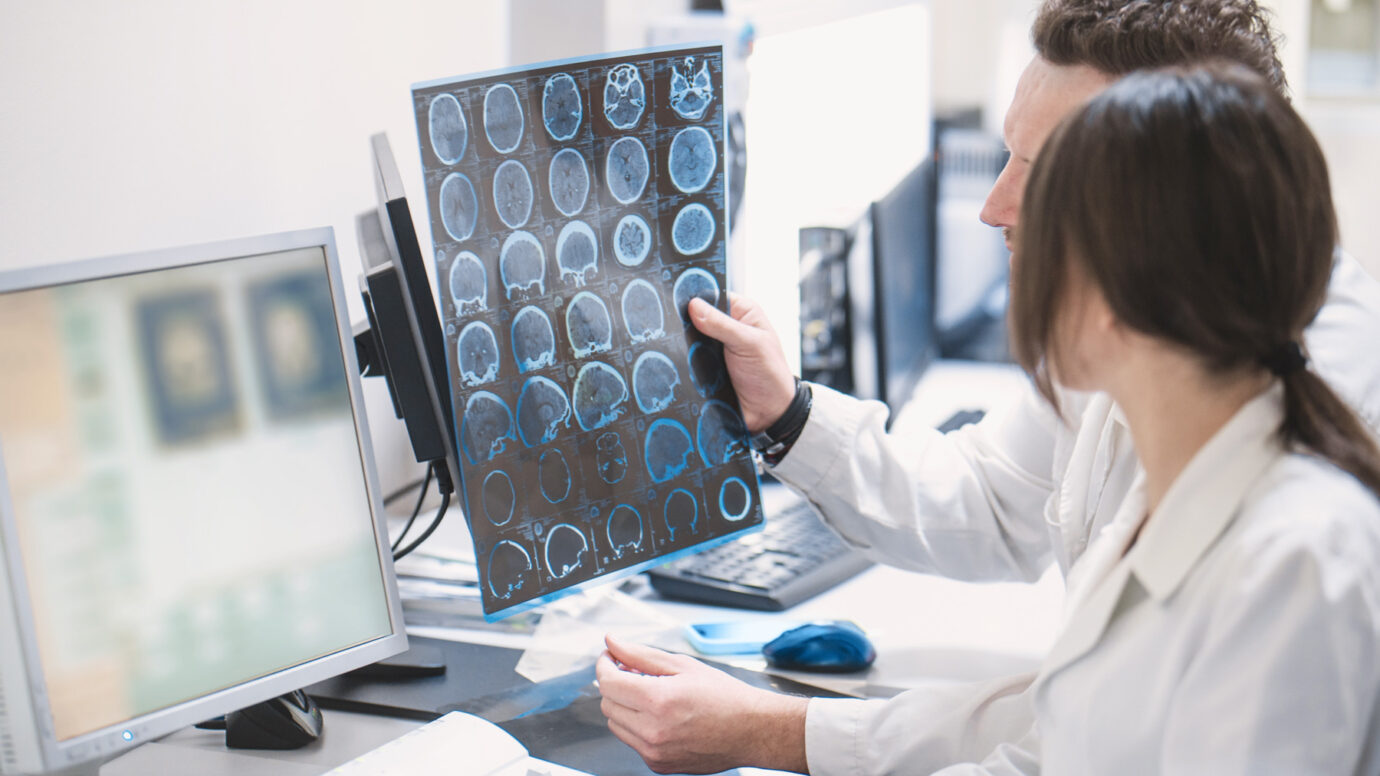
In some cases, imaging studies, such as ultrasound or magnetic resonance imaging (MRI), may be used to confirm the diagnosis and evaluate the extent of the cyst if needed.
Focused MRI
Depending upon the location of an epidermoid cyst, a focused MRI of the pituitary region or internal auditory canals may be indicated to obtain better anatomical detail.
Epidermoid Cyst Treatment & Outcomes
Treatment Options
The main treatment for epidermoid cysts is surgical excision. This involves the complete removal of the cyst and its contents, including the cyst wall, to prevent recurrence. Simple excision is often performed under local anesthesia in an outpatient setting. However, if the cyst is large, deep-seated, or located in a sensitive area, such as the face, a referral to a specialist, such as a dermatologist or plastic surgeon, may be necessary.
Because the cyst lining can be very adherent to the brain structures, cranial nerves and blood vessels, a complete cyst removal may not be possible in many patients. If only a subtotal removal is accomplished, follow-up MRIs are necessary for many years to monitor for recurrence.
Patient Outcomes
Surgical outcomes for epidermoid cysts are generally favorable, with many patients experiencing significant symptom relief. Recurrence rates depend on the completeness of cyst removal, especially for intracranial cysts. Long-term follow-up with periodic imaging is recommended to monitor for regrowth.
Managing An Epidermoid Cyst
Managing an epidermoid cyst diagnosis involves the following:
Monitor Symptom
Monitor symptoms and seek prompt care for any neurological changes or skin infections.
Regular Follow-Ups
Maintain regular follow-up appointments, especially if complete cyst removal was not possible.
Avoid Trauma
Avoid trauma or pressure to areas with known cysts.
Optimize Recovery
Follow all post-operative care instructions to optimize recovery and reduce risk of infection.
Meet our Expert Specialists & Surgeons
Experience Compassionate, Expert Care
At Pacific Neuroscience Institute, we have a large experience of epidermoid cyst removal and a vast experience in minimally invasive endoscopic surgical approaches for all types of brain and skull base tumors and cysts. By incorporating leading-edge technology and instrumentation with proven surgical experience, we make surgery safer, less invasive and more effective.
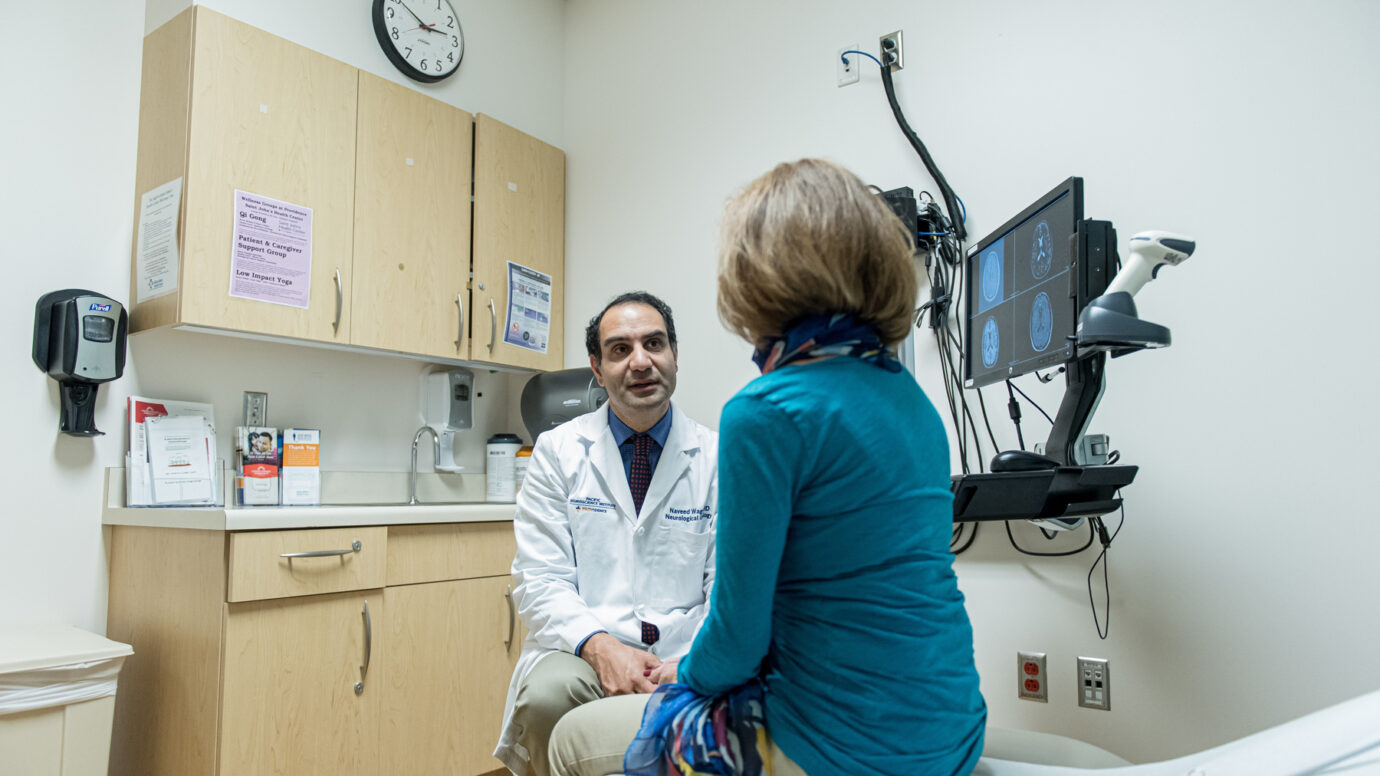
Our multidisciplinary team is experienced in the diagnosis and management of epidermoid cysts. We provide personalized, state-of-the-art care for intracranial cysts.
Learn More About an Epidermoid Cyst
Epidermoid cysts are treated with surgical resection.
No, these cysts will either stay the same size or slowly grow over time.
These are treated with a combination of steroids and surgical resection.
No, they occur in the bone and brain.
It may either stay the same size or slowly grow, which could cause new neurological deficits over time.
Some people are likely born with these cysts, though could also be caused by trauma.
With appropriate surgical management, the prognosis is generally excellent, though long-term monitoring is important to detect any recurrence.
Resources

Get Expert Care from Leading Specialists
If you suspect you have an epidermoid cyst or have been diagnosed and need expert evaluation and treatment, our multidisciplinary team at Pacific Neuroscience Institute is ready to provide you with leading-edge care tailored to your individual needs.