Acromegaly
What is Acromegaly?
Overview
Acromegaly is a rare disorder with an estimated 3–4 new cases per million people per year, most often diagnosed in middle-aged adults between 40 and 50 years of age, with men and women equally affected.
Acromegaly is caused by a growth hormone (GH) secreting pituitary adenoma in over 99% of cases.
Although these benign and slow growing tumors are not rare types of pituitary tumors, unfortunately, many patients go undiagnosed for many years. However, once diagnosed, treatment with endoscopic endonasal surgery is generally highly effective in experienced surgeon’s hands. A minority of acromegalic patients may also need medical therapies to lower GH and IGF-1 levels. This reality is why such close cooperation is essential between neurosurgery and endocrinology in managing patients with acromegaly.
The problems associated with acromegaly include the effects of abnormally high GH and insulin-like growth factor-1 (IGF-1) levels and in some instances by the tumor compressing the normal pituitary gland and optic nerves.
Untreated acromegaly is a serious condition that can cause dramatic bone and soft tissue changes and serious cardiovascular problems. If the tumor develops before bone growth is completed in adolescence, gigantism results.
Because of the serious changes resulting from GH excess, effective treatment is essential.
Who is Affected?
- Most often acromegaly is diagnosed in middle-aged adults (usually between ages 40–50), with men and women equally affected.
- Gigantism is an extremely rare condition that occurs in children and adolescents before the growth plates close. Only about 100 cases have been reported in the United States.
Acromegaly Symptoms & Causes
Acromegaly is most commonly caused by a benign pituitary adenoma — a noncancerous tumor of the pituitary gland — that secretes excess growth hormone (GH). This excess GH stimulates the liver to produce insulin-like growth factor 1 (IGF-1), leading to the abnormal growth of bones and tissues. Like for many tumors, it is not completely understood what factors cause tumors to develop on the pituitary gland. Most pituitary adenomas secreting excess GH and causing acromegaly are due to mutations in the pituitary cells called somatotrophs.
In extremely rare cases tumors outside the pituitary in other parts of the body can produce growth hormone-releasing hormone leading to acromegaly.
Symptoms
The most obvious symptoms of acromegaly and excess GH are external physical changes that often include:
- Enlargement of the hands (increase in ring size) and feet (increased shoe size)
- Frontal bossing (enlargement of the forehead) and prognathism (jaw enlargement)
- Development of an underbite, spreading teeth, an enlarging tongue
- Increased snoring and sleep apnea
- Carpel tunnel syndrome
- Excessive sweating
Additional serious problems may include:
- Hypertension
- Diabetes mellitus
- An increased risk of colon cancer
With GH-secreting macroadenomas, there may be other symptoms like:
- Visual loss
- Headaches
- Pituitary gland failure
- Fatigue
- Depression
- Impotence
- Loss of libido in men
- Menstrual irregularities
- Galactorrhea (milk discharge from the breast) in women
Causes
Acromegaly is caused by a growth hormone (GH) secreting pituitary adenoma in over 99% of cases.
The cause of acromegaly, like for many tumors, is not completely understood. Most pituitary adenomas secreting excess GH and causing acromegaly are caused by mutations in the pituitary cells called somatotrophs.
When to See a Doctor
If you have been recently diagnosed with acromegaly and would like to get more information, please contact the Pacific Pituitary Disorders Center at 310-582-7450.
Acromegaly Diagnosis
Comparing old and recent photographs will often demonstrate gradual but dramatic changes in facial appearance. However, acromegaly is diagnosed by:

Growth Hormone Evaluation
Documenting elevated levels of both GH and IGF-1. An oral glucose tolerance test is often used to confirm excess GH production.
MRI Imaging
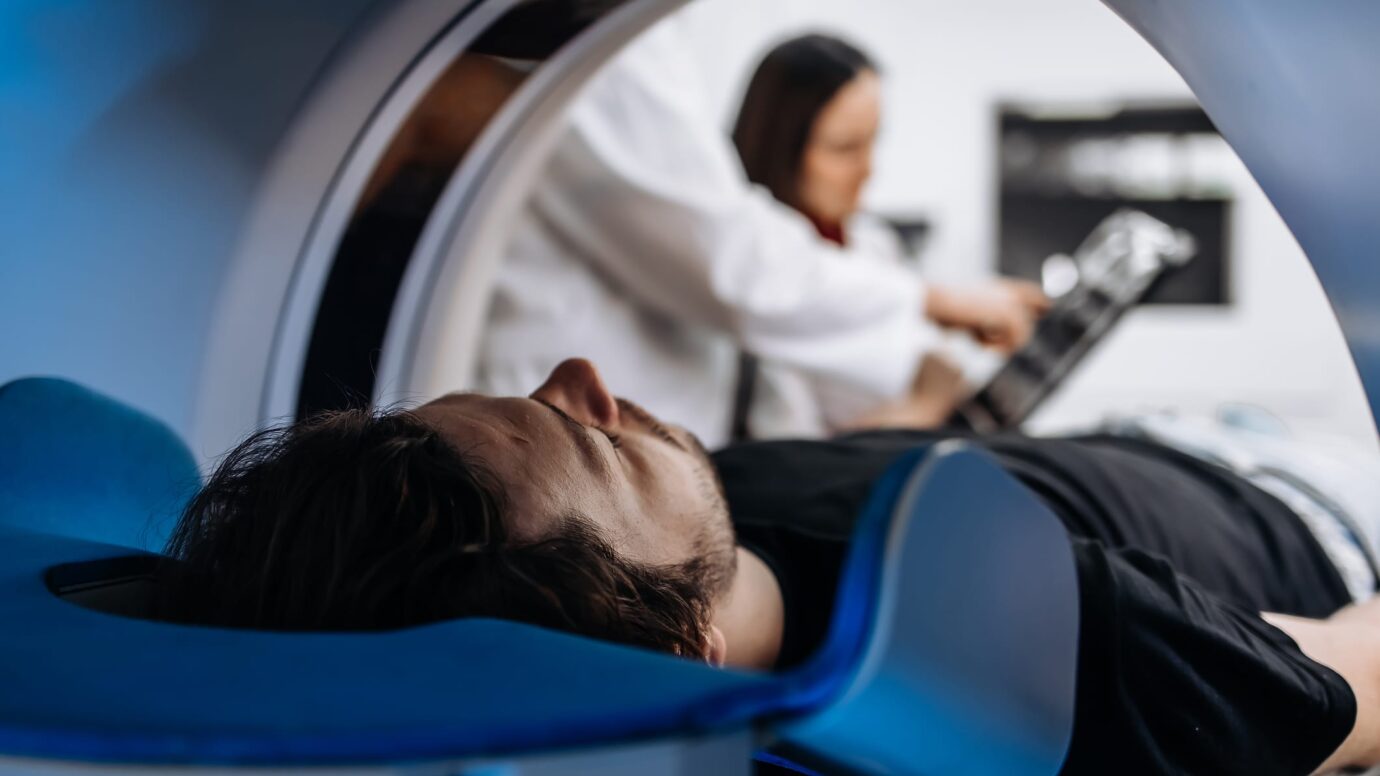
Following hormonal testing that confirms acromegaly, an MRI of the pituitary should be performed to confirm the presence of a pituitary adenoma.
For patients with visual complaints, formal visual field testing by an ophthalmologist or neuro-ophthalmologist should be performed.
Acromegaly Treatment & Outcomes
Treatment Options
For the great majority of patients with acromegaly, transsphenoidal tumor removal (via the nose) is the initial treatment of choice. In our experienced hands, this procedure has a relatively high success rate and low complication rate. For patients who are not cured by surgery alone, medical therapy with agents such as octreotide and lanreotide are considered 2nd-line therapy; stereotactic radiosurgery (SRS) or stereotactic radiotherapy (SRT) are considered reasonable 3rd-line therapies.
Surgical removal is considered first-line treatment for GH-secreting acromegaly.
Because of improved tumor visualization, the endoscopic endonasal approach is the preferred method for removal of most pituitary adenomas, including GH-secreting adenomas.
Long-term remission of acromegaly is often not possible in patients with large or invasive macroadenomas. However, in such invasive tumors, removal of the great majority of the tumor can greatly improve problems associated with acromegaly (visual loss, pituitary gland dysfunction and headache) and typically improves hypertension, diabetes and soft tissue swelling.
Additionally, such maximal tumor debulking improves the chances of achieving remission with medical therapy using medications such as lanreotide or octreotide. After surgery, it typically takes at least 4-6 weeks for the IGF-1 level to reach its lowest level due to its very long metabolic half-life.
For patients with persistent GH and IGF-1 elevations 3 months or more after surgery, octreotide or lanreotide treatments are generally indicated.
Octreotide (given three times a day by injection or by one monthly injection), or lanreotide (deep subcutaneous injections every 4 weeks) achieve long-term suppression of GH in about 70% of patients.
Lanreotide and octreotide also cause tumor shrinkage in 30-50% of patients, and improve soft tissue swelling, headache, joint pains and sleep apnea.
Preoperative use of octreotide and lanreotide may facilitate tumor removal and lessen risks of general anesthesia.
Side effects may include loose stools, malabsorption, cholelithiasis (gall stones), and local pain at the injection site. Pegvisomant, a GH receptor antagonist, is also effective in lowering IGF-1 levels although it does cause an elevation in GH levels.
In patients who have GH-secreting adenomas that also co-secrete prolactin, the dopamine agonists cabergoline or bromocriptine can be combined to help normalize GH and prolactin levels and halt tumor growth.
Where invasive GH-secreting tumors cannot be completely removed by surgery, we have highly experienced endocrinologists as well as clinical studies for patients with persistent acromegaly.
For patients with uncontrolled acromegaly after surgery and medical therapy, SRS (one dose) or SRT (multiple doses), can be used to deliver precise radiation directly to the tumor.
These techniques are effective in lowering GH and IGF-1 levels and stopping tumor growth in approximately 40-60% of patients. However, the lowering of GH and IGF-1 levels takes longer with SRT (average 7 years) compared to SRS (average 18 months). Pituitary gland failure can often occur in the years after SRS or SRT. Complications such as visual loss are rare with either SRS or SRT.
Patient Outcomes
Long-term remission is seen in 80-90% of patients with microadenomas and in 40-60% of patients with macroadenomas or invasive adenomas. In general, the higher the pre-operative GH level and the larger the tumor, the lower the chance for cure or long-term remission.
Managing Acromegaly
After acromegaly treatment, ongoing management and regular follow-up with our specialists—usually an endocrinologist—are important.
These visits help monitor for recurrence, manage hormone levels, and address any long-term complications. We typically see patients every 3–6 months at first, then annually if their condition is stable. More frequent visits may be needed if hormone levels remain abnormal or symptoms persist.
Meet our Expert Specialists & Surgeons

Experience Compassionate, Expert Care
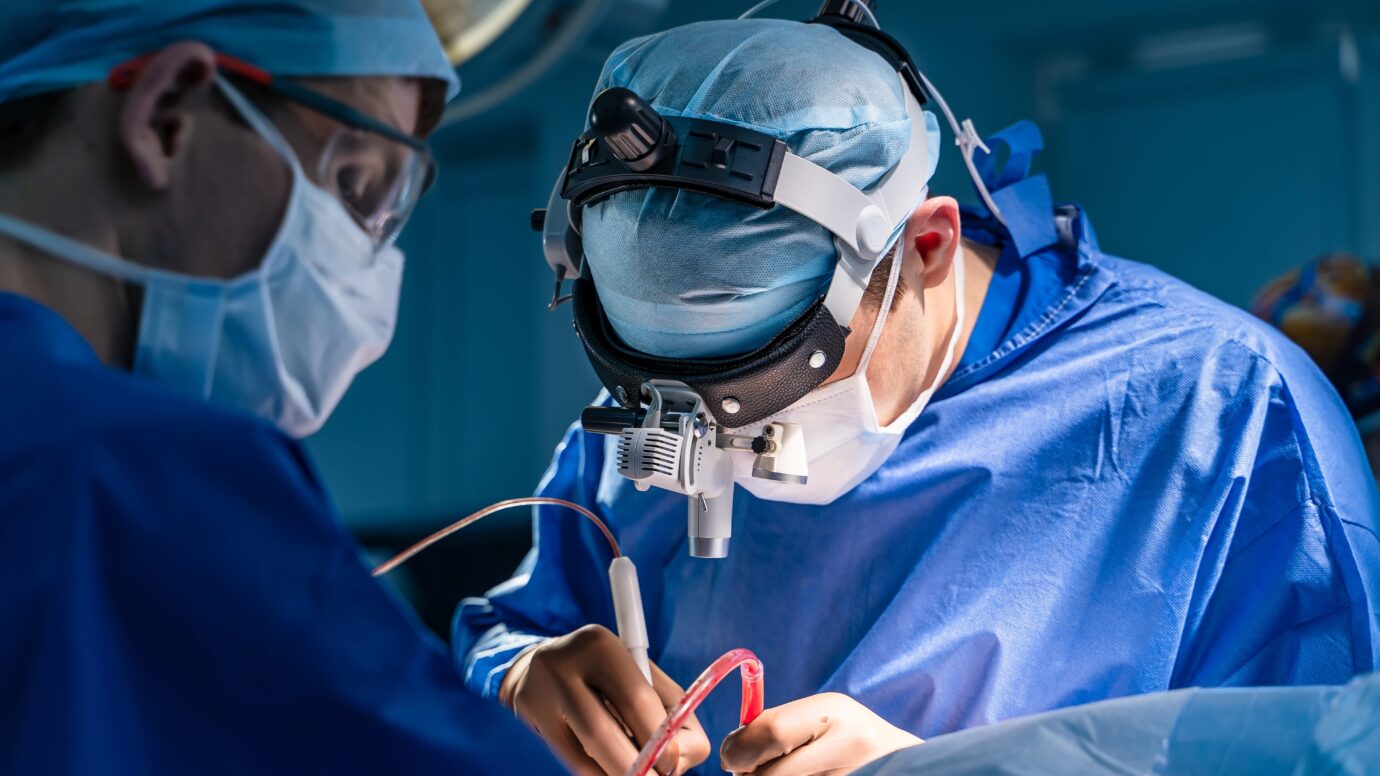
Pacific Neuroscience Institute’s Pituitary Disorders Center, has one of the world’s largest experiences in endoscopic endonasal transsphenoidal surgery. By incorporating leading-edge technology and instrumentation with proven surgical experience of over 2,000 endonasal surgeries, our acromegaly specialists make surgery safer, less invasive and more effective. Our doctors and surgeons practice at award winning hospitals throughout Los Angeles.
Learn More About Acromegaly
Acromegaly can often be effectively treated, and in many cases hormone levels can be normalized. The most common first-line treatment is surgical removal of the growth hormone–secreting pituitary tumor, which can lead to cure in a significant number of patients. When surgery alone does not fully control the condition, medications or targeted radiation therapies may be used to reduce growth hormone levels. Long-term follow-up is essential, as outcomes depend on tumor size, location, and how quickly treatment is initiated.
Living with acromegaly varies from person to person. Before diagnosis, people often experience symptoms such as enlarged hands or feet, joint pain, headaches, changes in facial features, fatigue, or metabolic issues. With treatment, many symptoms improve or stabilize, but some physical changes may remain. Ongoing medical care helps manage hormone levels, sleep quality, blood sugar, blood pressure, and joint health. Many individuals lead active, fulfilling lives with proper monitoring and support.
Life expectancy for people with acromegaly has improved significantly with early diagnosis and modern therapies. When growth hormone levels are successfully controlled, life expectancy approaches that of the general population. Without treatment, acromegaly can increase the risk of cardiovascular disease, metabolic disorders, and sleep apnea—factors that may shorten lifespan. Effective treatment and regular follow-up with an endocrinologist are key to long-term health.
Resources

Get Expert Care from Leading Specialists
At Pacific Neuroscience Institute® (PNI), we provide expert care for acromegaly using advanced minimally invasive neurosurgery, medications and hormone therapy, and radiation therapy. Whether you need a second opinion, a treatment plan, or ongoing care, our team of top neurosurgeons and pituitary disorders specialists is here to help.