Hearing Restoration with the Miracle of Cochlear Implants | Courtney Voelker, MD, PhD
The Think Neuro podcast from Pacific Neuroscience Institute takes you into the clinic, operating room and laboratory with doctors and surgeons who are tackling the most challenging brain diseases and disorders. Host: Anthony Effinger
Subscribe: Google Podcasts | Apple Podcasts | Spotify | Simplecast
Watch: YouTube
Episode 45: Show Notes
When people notice their vision blurring, they will frequently dash off to the eye doctor. Not so with hearing loss. It often goes ignored and undiagnosed until it becomes unbearable. Dr. Courtney Voelker is trying to change that. She’s a neurotologist, a head and neck surgeon who specializes in diseases of the ear and related structures.
She spends much of her time giving the gift of hearing to her patients using cochlear implants. These near-magical devices restore hearing after an intricate two-hour, outpatient surgery. They help newborns get on the path to mainstream development and cognition. Dr. Voelker has watched many toddlers light up when they hear the world for the first time. Cochlear implants help older adults avoid the isolation and cognitive decline that comes with hearing loss.
With Bluetooth technology, cochlear implants are becoming almost bionic in their capabilities. They can connect to sound systems in music venues or classrooms. Listen to this episode to find out how Dr. Voelker is opening up access to the world of sound for all.
About Dr.Courtney Voelker
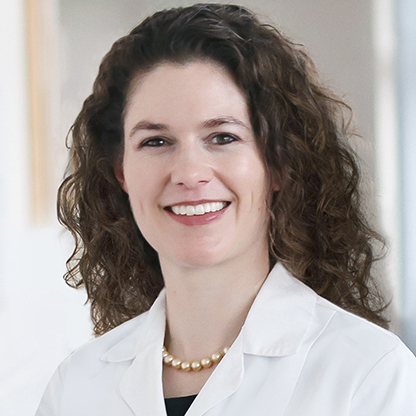
Courtney Voelker, MD, PhD (DPhil Oxon), is a Rhodes Scholar and board certified neurotologist. She is Director of Otology/Neurotology-Lateral Skull Base Surgery; and Director of the Adult & Pediatric Cochlear Implant Program at Pacific Neuroscience Institute. She is an otolaryngology – head & neck surgeon who takes care of adult and pediatric patients seeing a wide range of inner ear and skull base conditions. A Super Doctor Rising Star award recipient, she is committed to offering top quality, compassionate care to all her patients.