Exercise is Fertilizer for the Brain | Dr. David Merrill – Flashback Episode
The Think Neuro podcast from Pacific Neuroscience Institute takes you into the clinic, operating room and laboratory with doctors and surgeons who are tackling the most challenging brain diseases and disorders. Host: Anthony Effinger
Subscribe: Google Podcasts | Apple Podcasts | Spotify | Simplecast
Watch on YouTube: Click Here
Episode 59: Show Notes
For decades, people thought physical exercise benefited only the body. But every year we learn how incorrect that was, and Dr. David Merrill, director of PNI’s brain health center, is one of the people pushing our knowledge forward. It turns out that exercise builds the brain by prompting the production of brain derived neurotrophic factor, or BDNF.“Trophic” compounds cause things to grow, and BDNF helps create new connections among neurons, which is how we learn.
In short, BDNF is fertilizer for the brain, Dr. Merrill says. In a perfect world, we would be able to take BDNF in a pill, like a vitamin. But it’s a big, clunky molecule that doesn’t pass easily from blood to brain. Exercise gets the job done, boosting BDNF and keeping our brains nimble. That fact makes exercise crucial as we age. Pumping iron, and therefore pumping up BDNF, promotes brain plasticity: the ability to change, grow and adapt to the insults that come with growing older.
Listen to this episode to hear how you can boost BDNF through exercise and stay sharp into your golden years.
About Dr. David Merrill
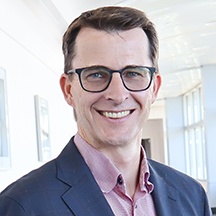
David A. Merrill, MD, PhD, is a double-board certified adult and geriatric psychiatrist and neuroscientist. He is director of the Pacific Brain Health Center (PBHC) at the Pacific Neuroscience Institute. His practice, educational, and research activity focus on the Precision Brain Health Program (PBHP), applying precision medicine approaches to optimize brain aging in middle-aged and older adults at risk for and with neurodegenerative disorders including Alzheimer’s disease (AD) and Parkinson’s (PD). He also directs the transcranial magnetic stimulation (TMS) consult service at PBHC for depression and cognition.