Vascular Dementia
What is Vascular Dementia?
Overview
Vascular dementia is a type of dementia that is caused by damage to the blood vessels in the brain, which can result in a gradual decline in cognitive function. It occurs when the brain does not receive enough blood or oxygen, leading to the death of brain cells.
Vascular dementia can occur as a result of several different conditions that affect the blood vessels in the brain. The most common cause of vascular dementia is stroke, which occurs when blood flow to the brain is interrupted, leading to the death of brain cells. Other conditions that can cause vascular dementia include high blood pressure, diabetes, and atherosclerosis, which is the hardening and narrowing of the arteries.
There is no cure for vascular dementia, but there are treatments available that can help manage the symptoms and slow the progression of the disease. These treatments include medications to manage high blood pressure or diabetes, as well as medications to manage the symptoms of dementia, such as cholinesterase inhibitors.
Brain cell damage due to lack of blood supply causes symptoms of dementia such as problems with executive brain function and memory, and interferes with the patient’s ability to perform everyday activities.
Depending upon the location of blockage in the brain, vascular dementia can present different symptoms and can mimic other dementias including Alzheimer’s disease dementia.
Who is Affected & Risk Factors
Vascular dementia is influenced by the same risk factors as heart disease and stroke. The risk of vascular dementia increases with several factors:
- Older Adults
It typically occurs in people over 65 years old, though it can develop earlier in those with risk factors. The risk increases significantly with age. - People with a History of Stroke and Heart Attack
Vascular dementia often develops after one large stroke or multiple smaller strokes (TIAs) that damage brain tissue. People with “silent strokes” (strokes with no obvious symptoms) are also at risk. - Individuals with Cardiovascular Risk Factors
Conditions that affect blood vessels and blood flow to the brain increase the risk, including:- High blood pressure
- Diabetes
- High cholesterol (LDL)
- Atrial fibrillation
- Atherosclerosis (build up of deposits such as cholesterol on blood vessel walls)
- Smoking
- Obesity
- Sleep apnea
- People with a Family History of Dementia or Stroke
Genetics may play a role, especially in early-onset or inherited forms of vascular cognitive impairment.
Vascular Dementia Symptoms & Causes
The symptoms of vascular dementia can vary depending on the location and severity of the damage to the brain. However, common symptoms include memory loss, difficulty with planning and decision-making, impaired judgment, and problems with language and communication. Some individuals with vascular dementia may also experience changes in mood or behavior, such as apathy or depression.
Symptoms
Signs and symptoms of vascular dementia may include:
- Memory loss or impairment, such as difficulty remembering names, dates, events, appointments and details of conversations.
- Difficulty concentrating, planning or developing an appropriate solution to a problem.
- Problems with completing tasks in a timely and efficient manner at home or at work.
- Confusion or disorientation with details of place, situation or the passage of time.
- Visuo-spatial difficulties, such as unsteady gait, geographical disorientation with driving, problems judging specific distances, or losing/misplacing items around the home.
- Language difficulties, such as word-finding problems, constricted/limited vocabulary or changes in the fluency of speech or writing.
- Demonstrating compromised reasoning or judgment in decision-making.
- Withdrawal from work or social activity, increased apathy and decreased interest in social engagements or events.
- Changes in mood , personality or behavior including signs of depression, apathy and anxiety.
- Difficulty controlling urination or increased need to pass urine.
Causes
Stroke
Vascular dementia due to stroke (also called post-stroke dementia) can occur because of a blood clot in an artery to the brain. This is not always the case but vascular dementia symptoms are immediately noticeable if they develop after a stroke. The onset of vascular dementia depends on the location and severity of the stroke in the brain and how long the brain was without oxygen due to lack of normal blood flow.
Patients experiencing a series of strokes or mini-strokes (transient ischemic attack or TIA) have increased risk of vascular dementia with each occurrence, and experience distinct declines in brain function, which is distinguishable from the gradual cognitive decline associated with Alzheimer’s disease dementia.
Hydrocephalus
Other conditions can also cause vascular dementia including normal pressure hydrocephalus. The increased pressure due to CSF fluid build up in the brain restricts blood circulation and can cause damage to blood vessels. Vascular dementia due to hydrocephalus is reversible with the drainage of excess fluid from the brain ventricles.
Blood Vessel Damage
Narrow or damaged blood vessels restricting oxygen and nutrient delivery to the brain can cause vascular dementia to develop. Conditions associated with blood vessel damage include aging, high blood pressure, abnormal aging of blood vessels (atherosclerosis), diabetes, and brain hemorrhage.
When to See a Doctor
If you or a loved one is experiencing memory problems, confusion, difficulty concentrating, mood changes, or trouble with language and decision-making, it’s important to see a doctor promptly, especially if there’s a history of stroke or vascular risk factors like high blood pressure or diabetes. Sudden symptoms—such as confusion, weakness on one side, difficulty speaking, or loss of balance—may indicate a stroke and require immediate medical attention.
Early diagnosis of vascular dementia can help manage symptoms, slow progression, and improve quality of life through appropriate treatment and support. Contact our brain health specialists at 310-582-7641.
Vascular Dementia Diagnosis
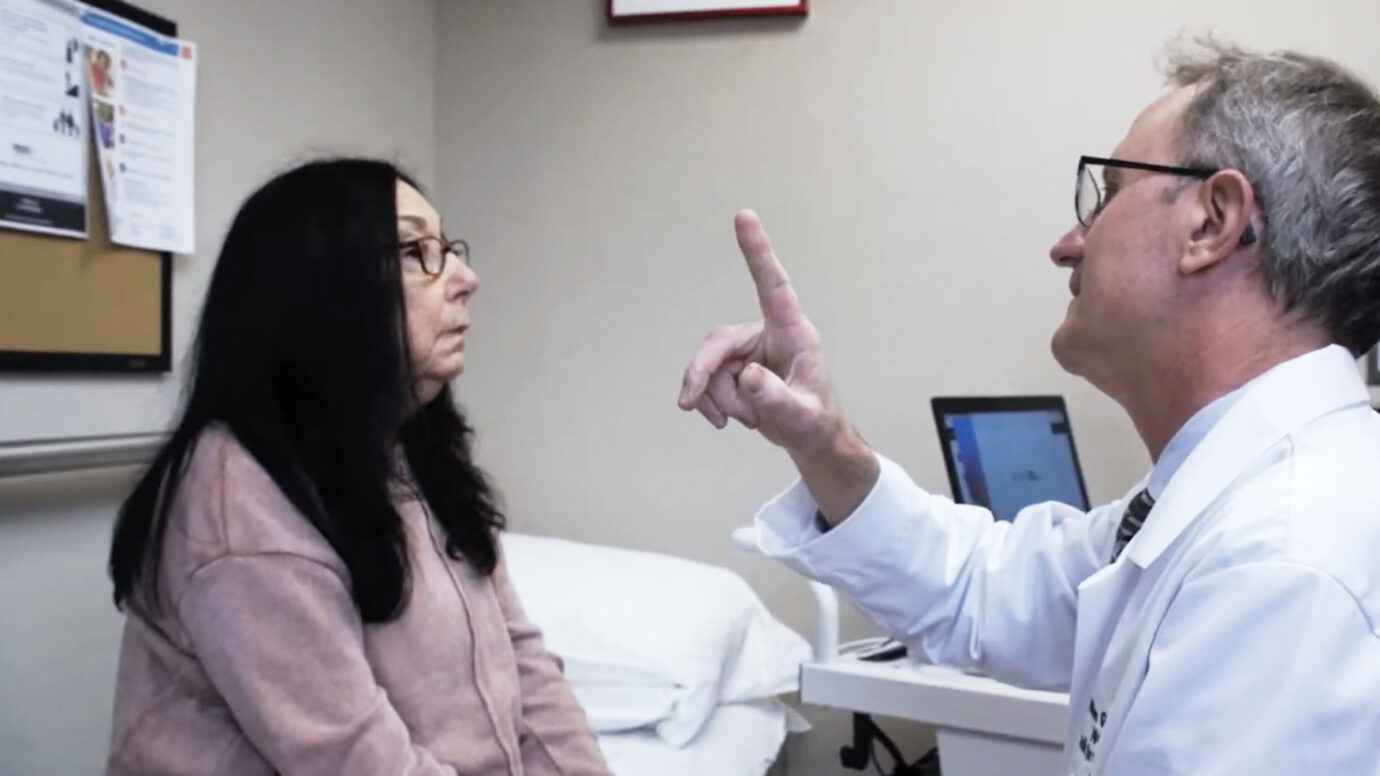
Diagnosing vascular dementia involves a combination of medical history, physical examination, and specialized testing to assess cognitive function and identify changes in the brain. The process may include:

Medical and neurological evaluation
to review symptoms, past strokes, or cardiovascular conditions.

Cognitive testing
to assess memory, thinking, language, and problem-solving skills.
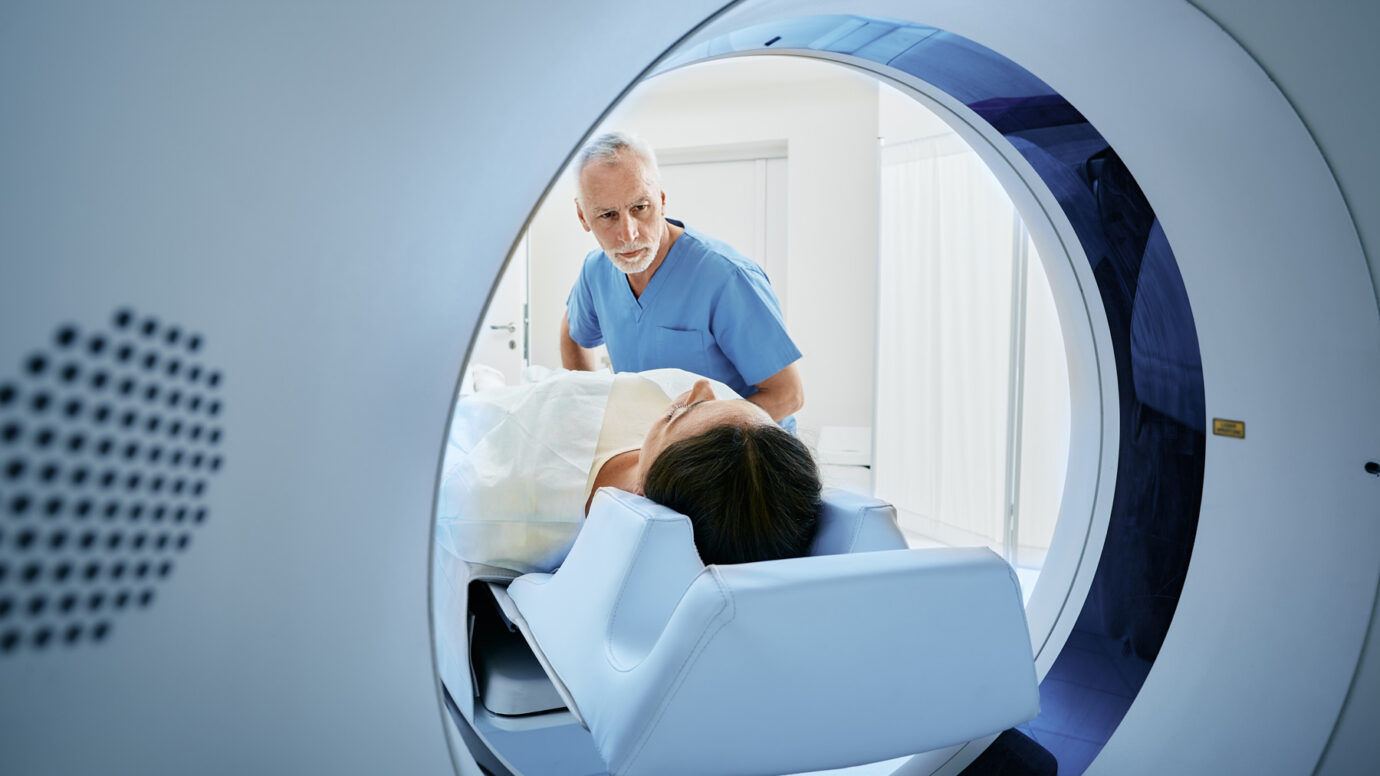
Brain imaging
such as MRI or CT scans to detect evidence of strokes, blood vessel damage, or brain atrophy

Lab tests
to rule out other causes of cognitive decline, such as vitamin deficiencies or thyroid problems
Early and accurate diagnosis is important to guide treatment and manage symptoms effectively.
Vascular Dementia Treatment & Outcomes
Treatment Options
Treatment of vascular dementia varies widely and is entirely dependent on the underlying cause and co-existing medical conditions. While there is no cure for vascular dementia, treatment focuses on managing symptoms and slowing disease progression by improving brain and heart health. Common approaches include:
- Controlling underlying conditions such as high blood pressure, diabetes, high cholesterol, and atrial fibrillation
- Medications to manage memory and mood symptoms, such as cholinesterase inhibitors or antidepressants
- Stroke prevention with blood thinners, antiplatelet agents, or lifestyle changes
- Lifestyle interventions with cognitive therapy and mental stimulation to help maintain and promote brain function
- Supportive care, including caregiver education and community resources
Our collaborative team-based approach involves your primary care physician and other specialists, our neurologists, and lifestyle intervention professionals.
Patient Outcomes
The progression and outcomes of vascular dementia can vary depending on the severity of brain damage and how well underlying conditions—like high blood pressure, diabetes, or stroke risk—are managed.
In general, vascular dementia tends to be progressive, meaning symptoms worsen over time. However, early diagnosis and proper management can slow this progression and improve quality of life. Patients who receive treatment for underlying vascular risk factors may experience a stabilization of symptoms for a period of time, especially in the early stages.
Because vascular dementia is often caused by strokes or reduced blood flow, outcomes can also depend on the number, size, and location of brain injuries. Patients may experience a stepwise decline, where abilities drop after each vascular event, rather than a gradual decline seen in Alzheimer’s disease.
With the right support—medical care, cognitive therapy, lifestyle changes, and caregiver involvement—many people can maintain independence in the early stages and experience meaningful improvements in daily function and well-being. However, as the disease advances, most patients will eventually require assistance with daily activities.
Managing Vascular Dementia
Preventing or managing the underlying conditions that can cause vascular dementia, such as high blood pressure and diabetes, can also help reduce the risk of developing this condition. It is important to work closely with a healthcare professional to develop an appropriate treatment plan for vascular dementia, as early detection and treatment can help individuals maintain their quality of life for as long as possible.
Incorporating changes in lifestyle for overall heart health substantially reduces the risk of vascular dementia.
- Quit smoking
- Eat a healthy diet that is low in salt and sugar
- Keep a healthy weight
- Exercise regularly
- Limit alcohol intake
- See your doctor regularly to keep the following in check:
- Blood pressure
- Cholesterol
- Diabetes




Experience Compassionate, Expert Care
Our experts at the Pacific Brain Health Center are dedicated to providing comprehensive and holistic care to older adults with dementia and associated neurological disorders. If you or a loved one are struggling with symptoms of vascular dementia, our multidisciplinary approach of medical therapy and lifestyle modifications can help optimize your brain health.
Learn More About Vascular Dementia
Vascular dementia is caused by reduced blood flow to the brain, often due to strokes, small vessel disease, or other conditions that damage blood vessels. This leads to areas of brain tissue not receiving enough oxygen and nutrients, which can impair memory, thinking, and other cognitive functions.
While both conditions cause memory loss and cognitive decline, vascular dementia is typically the result of strokes or blood vessel damage, and may have a more sudden or stepwise progression. Alzheimer’s disease, on the other hand, develops more gradually and is linked to the buildup of abnormal proteins in the brain.
Vascular dementia is a progressive condition, but its course can vary. With early diagnosis and proper treatment—especially controlling blood pressure, diabetes, and preventing further strokes—some patients may stabilize for a time. Over time, most individuals will experience worsening symptoms and may eventually need assistance with daily activities.
Resources

Get Expert Care from Leading Specialists
At Pacific Neuroscience Institute® (PNI), we provide expert care for vascular dementia using advanced medical therapy and lifestyle modifications. Whether you need a second opinion, a treatment plan, or ongoing care, our team of top specialists is here to help.
Written and reviewed by:
The Pacific Neuroscience medical and editorial team
We are a highly specialized team of medical professionals with extensive neurological and cranial disorder knowledge, expertise and writing experience.
Last Updated: