Overview

What is Tinnitus?

Overview

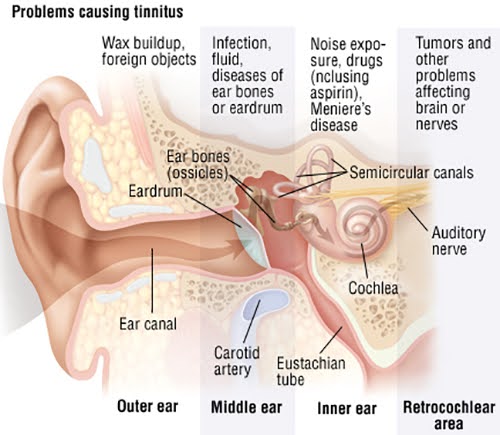
Tinnitus is the perception of sound in the ears or head without an external source. Most people experience it at some point in their lives. Common forms include high-pitched tones, buzzing, ringing, ocean-like waves, or white noise.

Tinnitus is usually subjective, meaning only the affected person can hear it. Rarely, it can be caused by a muscle spasm that produces a sound audible to a physician.

Tinnitus is often a symptom of underlying hearing loss, making a thorough evaluation by an audiologist—including a hearing test—essential. Identifying the root cause is key to effective management and treatment.

Who is Affected?

  • Adults over 50 are more commonly affected.
  • People with prolonged exposure to loud noise (work or recreational).
  • Individuals with age-related hearing loss.
  • Those with certain medical conditions such as high blood pressure, diabetes, or ear infections.
  • Users of medications that may affect hearing, such as certain antibiotics or chemotherapy agents.
Symptoms + Causes

Tinnitus Symptoms & Causes

Symptoms

Symptoms include:

  • Ringing, buzzing, hissing, or roaring in one or both ears.
  • Sensitivity to sound (hyperacusis).
  • Difficulty concentrating or sleeping due to ear noise.
  • Ear fullness or pressure.

Causes

The causes of tinnitus are varied. They include the following:

  • Age-related hearing loss (presbycusis).
  • Noise-induced hearing loss from prolonged loud sound exposure.
  • Ear infections or middle ear fluid.
  • Earwax blockage.
  • Certain medications (ototoxic drugs).
  • Circulatory or vascular disorders.
  • Temporomandibular joint (TMJ) disorders.
  • Head or neck injuries.

When to See a Doctor

Seek prompt evaluation if you experience:

  • Sudden onset of tinnitus.
  • Tinnitus in only one ear.
  • Associated hearing loss, dizziness, or balance issues.
  • Ear pain or drainage.
  • Neurological symptoms such as weakness or facial drooping.
Diagnosis

Tinnitus Diagnosis

Diagnosis includes:

  • Detailed patient history and symptom review.
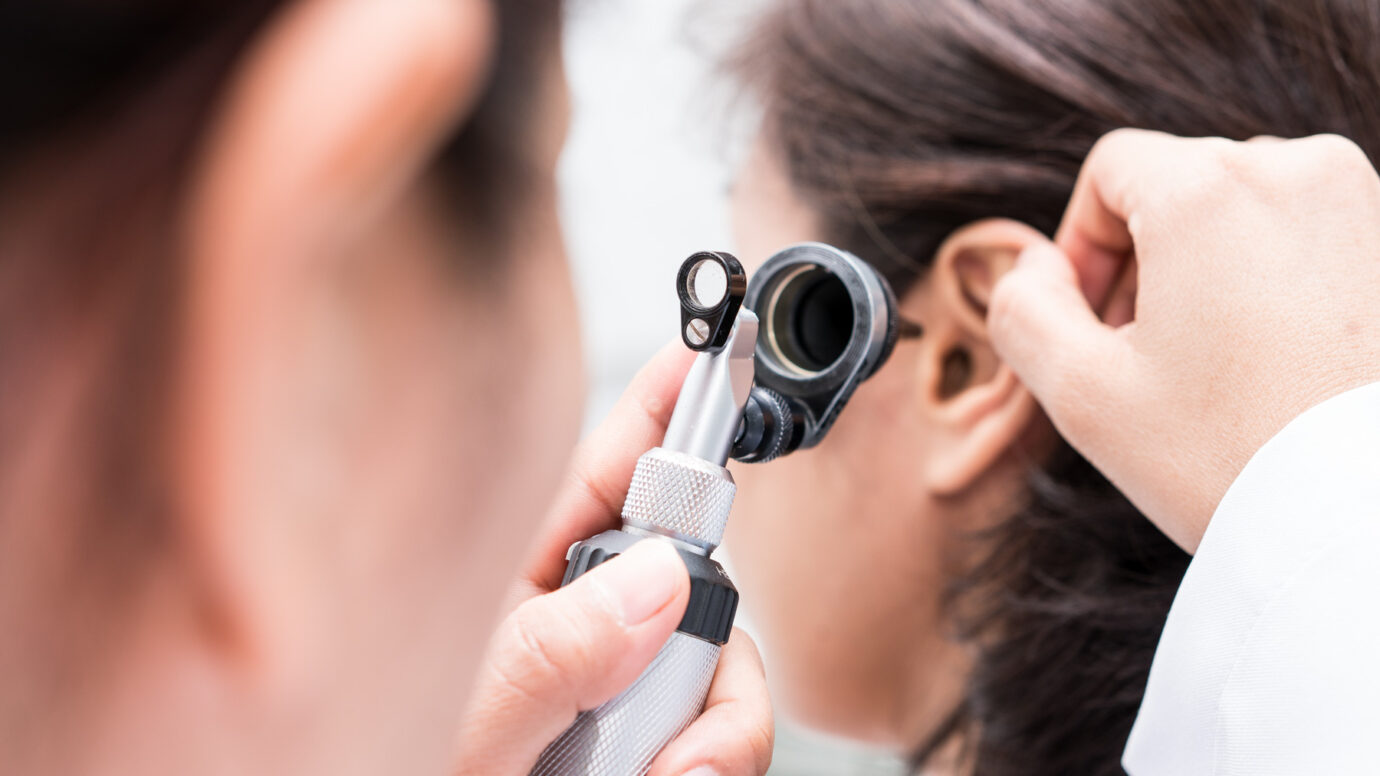
  • Comprehensive audiological examination.
  • Blood tests if an underlying metabolic or vascular cause is suspected.
  • Imaging studies (e.g., MRI or CT scan) if tumors or structural causes are suspected.
  • Evaluation of medications and other risk factors.
Treatment + Outcomes

Tinnitus Treatment & Outcomes

Treatment Options

Treatment is individualized based on the underlying cause, severity, and impact on daily life. After evaluation, treatment may include:

Hearing Aids

Properly fit hearing aids reduce tinnitus in about 78% of cases, particularly when hearing loss is present.

Sound therapy

Tinnitus maskers or white noise devices to reduce perception of ringing.

Cognitive Behavioral Therapy (CBT) and Biofeedback

To manage stress and improve coping.

Medications and Supplements

Occasionally used, including intratympanic injections for severe cases.

Tinnitus Retraining Therapy (TRT)

Combines counseling and sound therapy to retrain brain response to tinnitus.

Patient Outcomes

Tinnitus is a common problem that is caused by a wide variety of treatable medical conditions. Sometimes it can be an indication of a serious medical problem. Our experts can improve or extinguish tinnitus in most individuals by employing thorough evaluation and treatment regimes.

Managing Your Condition

Managing Tinnitus

  • Avoid prolonged exposure to loud noises; use ear protection.
  • Maintain good cardiovascular and metabolic health.
  • Reduce stress through mindfulness, meditation, or exercise.
  • Keep volume levels moderate for music, TV, and headphones.
  • Follow prescribed treatments consistently and attend regular follow-ups.
Care at PNI

Experience Compassionate, Expert Care

At Pacific Neuroscience Institute, we understand that tinnitus can be frustrating, distracting, and sometimes overwhelming. Our team of ENT physicians, neurotologists, and audiologists work together to identify the underlying cause of your symptoms and create a treatment plan tailored specifically to you.
Our approach includes:

  • Comprehensive diagnostics with advanced hearing evaluations, imaging, and medical assessments to pinpoint the source of tinnitus.
  • State-of-the-art treatment options including hearing aids, tinnitus maskers, sound therapy devices, and intratympanic injections when indicated.
  • Evidence-based therapies such as tinnitus retraining therapy (TRT), cognitive behavioral therapy (CBT), and biofeedback to help you manage symptoms effectively.
  • Ongoing support and follow-up care to monitor your progress and adjust treatments as needed.

With decades of combined experience, our specialists not only focus on treating tinnitus but also on improving your overall hearing health and quality of life. We are committed to delivering compassionate, personalized care in a comfortable, patient-centered environment.

FAQs + Resources

Learn More About Tinnitus

Prognosis varies based on cause. Many individuals experience significant improvement or resolution, especially when the underlying cause is addressed early. Chronic tinnitus can be managed effectively with therapy, sound devices, and lifestyle adjustments.

The best therapy depends on the cause. Hearing aids for hearing loss, sound therapy, CBT, and tinnitus retraining therapy are among the most effective approaches.

A comprehensive hearing test by an audiologist will identify hearing loss as the underlying cause.

Hearing aids or sound therapy can reduce or eliminate tinnitus in many cases, particularly when associated with hearing loss.

Tinnitus caused by reversible conditions, like earwax blockage or certain medications, can often be reversed. Chronic tinnitus may be managed to reduce its impact.

There is no single “trick,” but strategies like hearing aids, sound therapy, relaxation techniques, and avoiding loud noise can significantly reduce perception.

Protect your hearing from loud noise, manage underlying conditions, avoid ototoxic medications if possible, and follow treatment plans closely.

Untreated tinnitus may persist, cause sleep disturbances, concentration difficulties, and impact quality of life. Early evaluation improves management outcomes.

Sudden increases can result from stress, exposure to loud noise, ear infections, medication changes, or vascular changes. Prompt evaluation is advised.

  • Age-related hearing loss
  • Noise-induced hearing loss
  • Ear infections or fluid
  • TMJ disorders
  • High blood pressure or vascular disorders

Resources

Contact Us

Get Expert Care from Leading Specialists

At Pacific Neuroscience Institute, our otolaryngology (ENT – Head & Neck) specialists provide comprehensive tinnitus evaluation and treatment, combining advanced audiology, sound therapy, and individualized care plans to improve quality of life. From diagnosis to treatment, we are here for you.

Written and reviewed by:
The Pacific Neuroscience medical and editorial team
We are a highly specialized team of medical professionals with extensive neurological and cranial disorder knowledge, expertise and writing experience.

Last Updated: