Spinal Cord Tumors
What is a Spinal Cord Tumor?
Overview
A spinal cord tumor is an abnormal growth that develops within or near the spinal cord. These tumors can be benign (noncancerous) or malignant (cancerous) and may occur in the cervical (neck), thoracic (mid-back), or lumbar (lower back) regions of the spine.
Spinal cord tumors are grouped into two main categories:
- Intramedullary tumors – Located within the spinal cord itself.
- Extramedullary tumors – Located outside the spinal cord but within its protective layers.
Some spinal cord tumors are associated with inherited genetic conditions, such as:
- Neurofibromatosis type 2: Often linked to spinal schwannomas, meningiomas, ependymomas, and astrocytomas.
- Von Hippel-Lindau syndrome: Associated with spinal cord hemangioblastomas.
These tumors originate from cells within the spinal cord. The most common is an ependymoma, which develops from the cells lining the central canal of the spinal cord. Other types include astrocytomas, gliomas, and hemangioblastomas.
Intramedullary tumors tend to grow slowly but can cause compression of the spinal cord, leading to:
- Weakness or numbness in the arms or legs
- Loss of coordination
- Changes in bowel or bladder function
These tumors grow next to the spinal cord but within its protective covering (intradural extramedullary). They can arise from nerve roots, meninges, or surrounding tissues. Common examples include meningiomas, schwannomas, neurofibromas, and myxopapillary ependymomas.
Symptoms often result from pressure on the spinal cord or nerves and may include:
- Back or neck pain
- Weakness or sensory changes
- Difficulty with bladder or bowel control
Who is Affected?
Spinal cord tumors can occur at any age but are most common in adults between 30 and 60 years old. Certain genetic conditions, such as Neurofibromatosis type 2 and Von Hippel-Lindau disease, can increase risk. While some tumors develop without any clear cause, others may be related to inherited genetic factors or, less commonly, prior radiation exposure.
Spinal Cord Tumor Symptoms & Causes
Symptoms
Given their location, tumors in or alongside the spinal cord typically cause symptoms in the arms and/or legs including gradually worsening muscle weakness which may lead to paralysis, sensory loss or abnormal sensations, bowel or bladder problems including urinary retention, incontinence and constipation, as well as back pain.
The general location of a spinal cord tumor can often be determined based on the specific pattern of weakness and sensory loss. Cervical spinal cord tumors can lead to weakness and sensory changes of both arms and legs whereas thoracic or lumbar spinal tumors do not affect arm function.
Causes
The exact causes of spinal cord tumors are not fully understood. Some tumors may be associated with genetic conditions, such as neurofibromatosis or von Hippel-Lindau disease, while others may occur sporadically without a clear underlying cause. Exposure to radiation, certain chemicals, or certain genetic mutations may also contribute to the development of these tumors in some cases.
When to See a Doctor
Seek immediate medical attention if you experience any of the following symptoms. Early diagnosis and treatment can significantly improve outcomes.
- Sudden weakness or paralysis in your arms or legs.
- Loss of bowel or bladder control.
- Rapidly worsening back pain.
Spinal Cord Tumor Diagnosis
Spinal cord tumors are best diagnosed by imaging studies, typically magnetic resonance imaging (MRI) of the cervical, thoracic or lumbar spinal regions with and without gadolinium; occasionally a CT myelogram is indicated.
Spinal Cord Tumor Treatment & Outcomes
Treatment Options
The optimal treatment for a spinal cord tumor is in-part related to the type and location. However, the great majority are treated with surgical removal usually through a laminectomy and microsurgical resection.
The goal of surgery is maximal but safe removal with avoidance of worsening neurological function.
Tumors within the spinal cord (intramedullary) including astrocytomas, ependymomas and hemangioblastomas of the cervical, thoracic and lumbar regions, are removed as completely as possible.
For astrocytomas, given their infiltrative/invasive nature, complete removal is often not possible and additional therapy with radiation or sometimes chemotherapy may be needed.
Myxopapillary ependymomas of the cauda equina or filum terminale (lumbar) region, as well as spinal meningiomas and schwannomas that arise outside the spinal cord are often able to be removed in complete fashion, but adhesions to the spinal cord or nerve roots may preclude complete removal in many patients.
For incompletely removed meningiomas, schwannomas or ependymomas, focused radiotherapy may be indicated.
Patient Outcomes
Outcomes vary based on the tumor’s type, size, and location, as well as how early it is treated. Many patients experience improvement or stabilization of symptoms following surgery. Early diagnosis generally leads to better neurological recovery and improved quality of life.
Managing A Spinal Cord Tumor
Living with a spinal cord tumor often requires ongoing management. Our team provides personalized guidance to help you adapt and maintain quality of life. Your care plan may include:
Physical Therapy
To maintain strength and mobility.
Pain Management
For ongoing discomfort.
Lifestyle Adjustments
To protect spine health.
Follow-Up Imaging
To monitor for recurrence.
Meet our Expert Specialists & Surgeons


Experience Compassionate, Expert Care
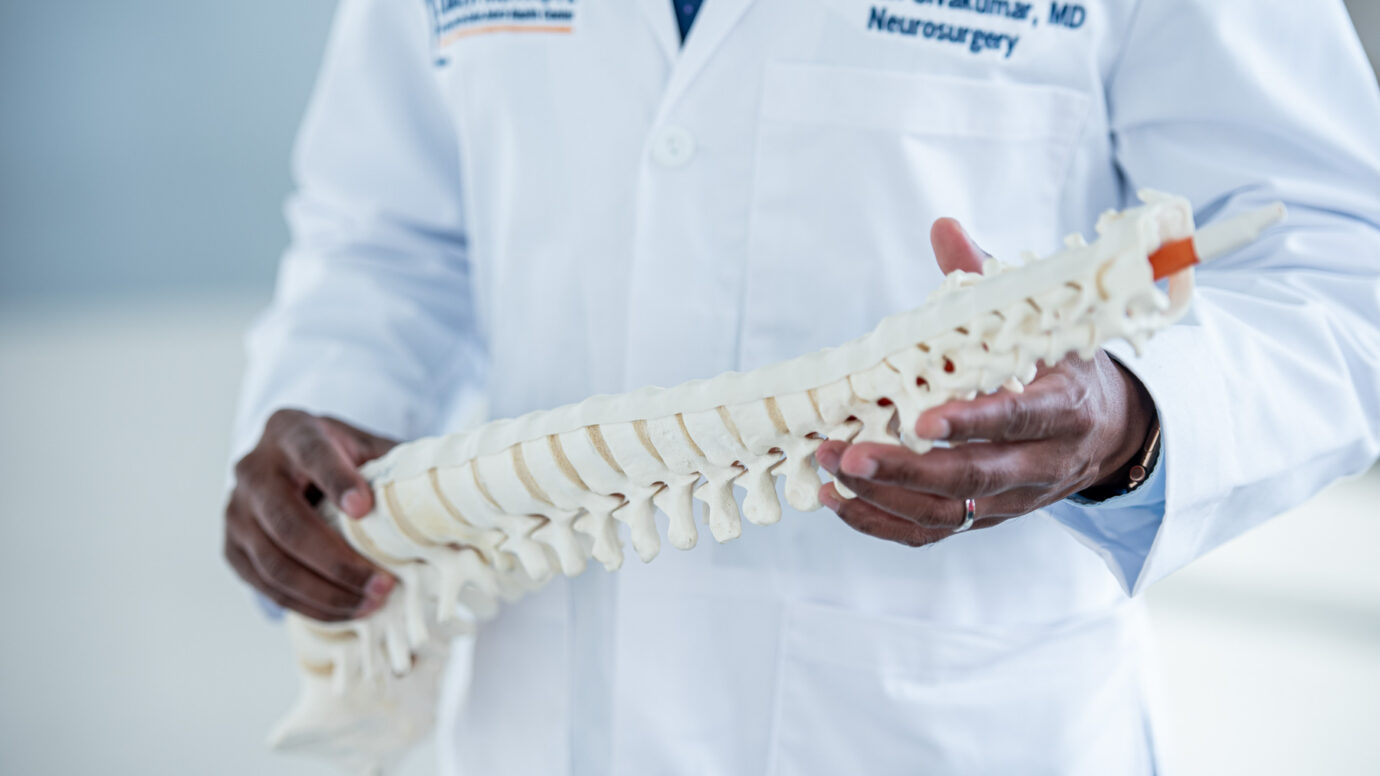
At Pacific Neuroscience Institute, we combine leading-edge technology with deep expertise in spine and neurosurgical care. Our minimally invasive approaches, advanced imaging, and specialized operating suites ensure safe, precise, and effective treatment.
Learn More About a Spinal Cord Tumor
Gradual weakness, numbness, back pain, and bowel/bladder changes.
Ependymomas are the most frequent intramedullary tumors.
It varies by tumor type, but many benign tumors have excellent outcomes after surgery.
Many benign tumors can be completely removed; malignant tumors may need additional therapy.
Many patients do well with proper treatment and rehabilitation.
Through microsurgical techniques using specialized instruments to minimize damage to surrounding tissue.
Resources
Get Expert Care from Leading Specialists
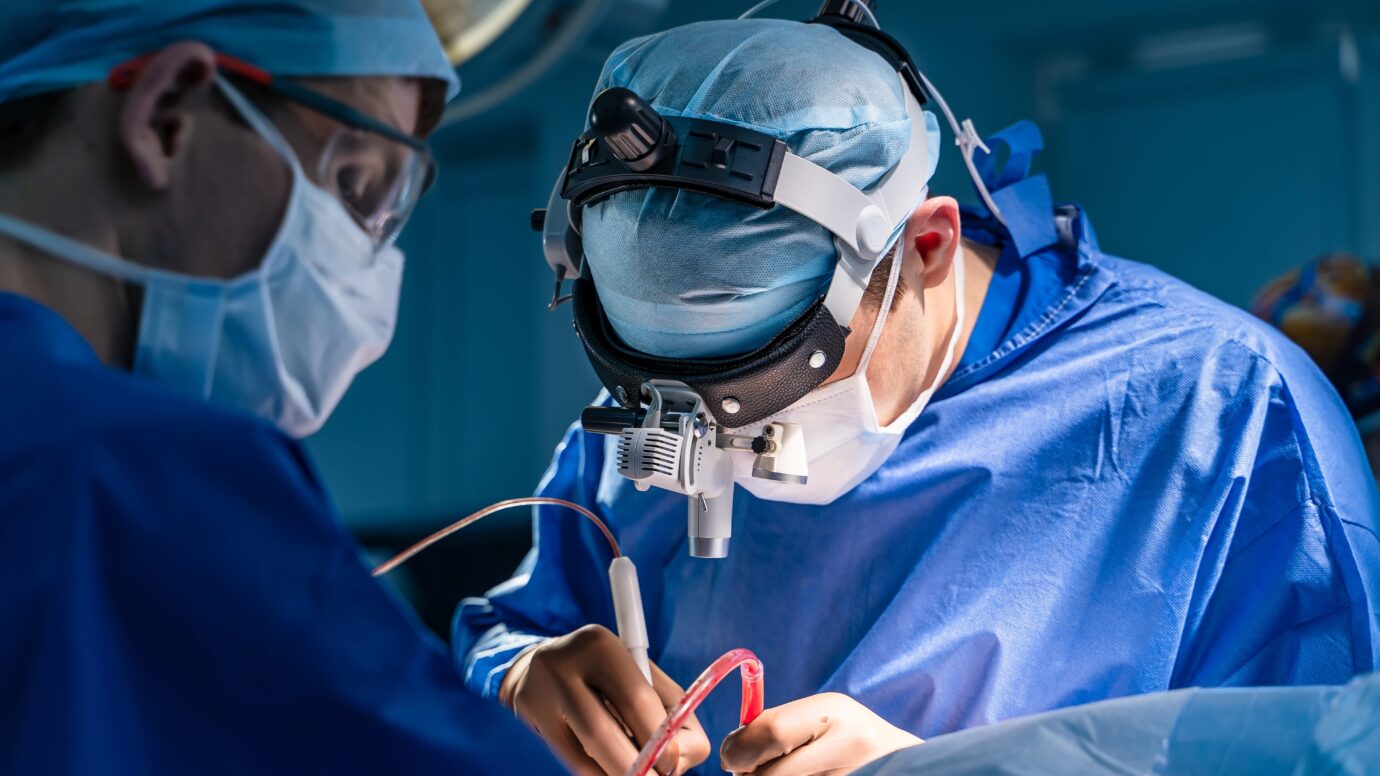
Our team offers comprehensive diagnosis and advanced treatment options for spinal cord tumors, with a focus on preserving neurological function and improving quality of life. By incorporating leading-edge technology and instrumentation with proven surgical experience, we make surgery safer, less invasive and more effective.
Written and reviewed by:
The Pacific Neuroscience medical and editorial team
We are a highly specialized team of medical professionals with extensive neurological and cranial disorder knowledge, expertise and writing experience.
Last Updated: