Restless Legs Syndrome
What is Restless Legs Syndrome?
Overview
Restless legs syndrome (RLS), also known as Willis-Ekbom disease, is felt by some to be a misnomer. It is a neurological sensory-motor condition not always restricted to the legs, and it is often described as an uncomfortable feeling that provokes an irresistible urge to move the legs, rather than pure restlessness or fidgetiness seen in other conditions.
The terms that patients use to describe the symptoms of RLS include throbbing, pulling, creeping, itching, tingling, with an uncontrollable, overwhelming desire to move the limbs. RLS usually occurs in the evening or around bedtime but as the condition progresses it may also occur during the day, such as when seated on an airplane or at the theater. Sometimes these symptoms are associated with involuntary movements of the legs during sleep, known as periodic limb movements of sleep (PLMS).
Who is Affected?
RLS affects people of all ages but is more common in middle-aged and older adults, and in women, particularly during pregnancy or hormonal changes. It can run in families, suggesting a genetic component, and may occur in association with other medical conditions such as iron deficiency, kidney disease, neuropathy, or sleep disorders.
Restless Legs Syndrome Symptomsrn& Causes
Symptoms
Common symptoms of RLS include:
- Uncomfortable sensations in the legs, often described as tingling, crawling, or pulling.
- An overwhelming urge to move the legs, which temporarily relieves discomfort.
- Symptoms that worsen during periods of rest or inactivity, particularly in the evening or at night.
- Disrupted sleep due to discomfort or involuntary leg movements (PLMS).
- Fatigue, irritability, or difficulty concentrating caused by poor sleep.
Causes
The exact cause of RLS is not fully understood, but several contributing factors include:
- Iron deficiency: Low or low-normal iron levels are strongly associated with RLS symptoms.
- Genetics: A family history of RLS increases the likelihood of developing the condition.
- Neurological changes: Abnormal dopamine signaling in the brain may contribute to symptoms.
- Medical conditions: RLS is more common in people with kidney disease, diabetes, or neuropathy.
- Medications and substances: Certain antidepressants, antihistamines, or excessive alcohol use can worsen symptoms.
- Pregnancy: Hormonal changes, particularly during the third trimester, can temporarily trigger or worsen RLS.
When to See a Doctor
Early evaluation and treatment can help significantly improve quality of life. You should see a doctor if:
- You experience frequent or worsening symptoms that affect your ability to sleep or function.
- Home remedies (such as stretching or lifestyle changes) do not provide relief.
- You notice new symptoms during pregnancy or while taking a new medication.
Restless Legs Syndrome Diagnosis
By and large, in RLS, the exam is normal, meaning that the diagnosis is based on the clinical history.
Sleep Study
Sometimes a sleep study is indicated because other sleep conditions can mimic RLS or worsen it, or cause PLMS. One of the most common sleep conditions which can worsen RLS is obstructive sleep apnea (irregular breathing during sleep because of transient blocking of the airway), which is remedied easily with a device called CPAP.
Iron Level Testing
Because iron deprivation can cause restless legs, it is imperative that iron levels be checked, and iron supplementation be given if iron levels are low or on the low side of normal.
Medication Review
Other diagnostic considerations are medications or alcohol, which can both make RLS worse.
Medical History & Physical Exam
Your doctor will review your symptoms, family history, and lifestyle habits.
Pregnancy & Hormonal Factors
RLS can also be seen in pregnancy or with other hormonal changes.
Restless Legs Syndrome Treatmentrn& Outcomes
Treatment Options
Many patients with intermittent or mild RLS do not require specific treatment, but if the symptoms are disruptive or cause insomnia, treatment should be considered.
As mentioned, iron supplementation for low-normal or low iron levels is the primary treatment.
If symptoms persist despite iron supplementation, GABA-ergic treatment is the first line. GABA is one of the brain’s inhibitory neurotransmitters, meaning it relaxes the brain activity. Activating GABA helps reduce RLS symptoms by deactivating hypersensitive nerve cells. Examples of GABA-type medications for RLS include gabapentin, pregabalin, and Horizant (gabapentin enacarbil, the long-acting version of gabapentin). These medications can be sedating, usually helping people sleep and typically washing out before morning. Patients should exercise caution if gabapentin is taken during waking hours as it can cause sleepiness interfering with driving.
The next line medication class is dopaminergic, meaning acting on the dopamine system. Ropinirole (Requip), pramipexole (Mirapex), and Sinemet can be useful for moderate-severe RLS, but the immediate release versions of these medications can cause a syndrome called augmentation, where the symptoms begin occurring earlier in the day and spreading to other parts of the body. Many patients end up taking more and more of the immediate release medications, when in reality what they need is a controlled-acting version or a GABA-type medication.
Reducing caffeine, alcohol, and nicotine; maintaining regular sleep habits; and using leg massage or heat/cold therapy can help.
Patient Outcomes
Most patients achieve significant symptom relief with appropriate treatment. Correcting iron deficiency and using tailored medications can dramatically reduce discomfort, improve sleep quality, and enhance overall quality of life. Early intervention often leads to better long-term outcomes.
Managing Restless Legs Syndrome
RLS is a chronic condition for many people, but it can be managed successfully with a combination of lifestyle adjustments, medical treatment, and regular follow-up. Identifying and treating underlying causes (such as iron deficiency or sleep apnea) is key to long-term symptom control.
Meet our Expert Specialists & Surgeons


Experience Compassionate, Expert Care
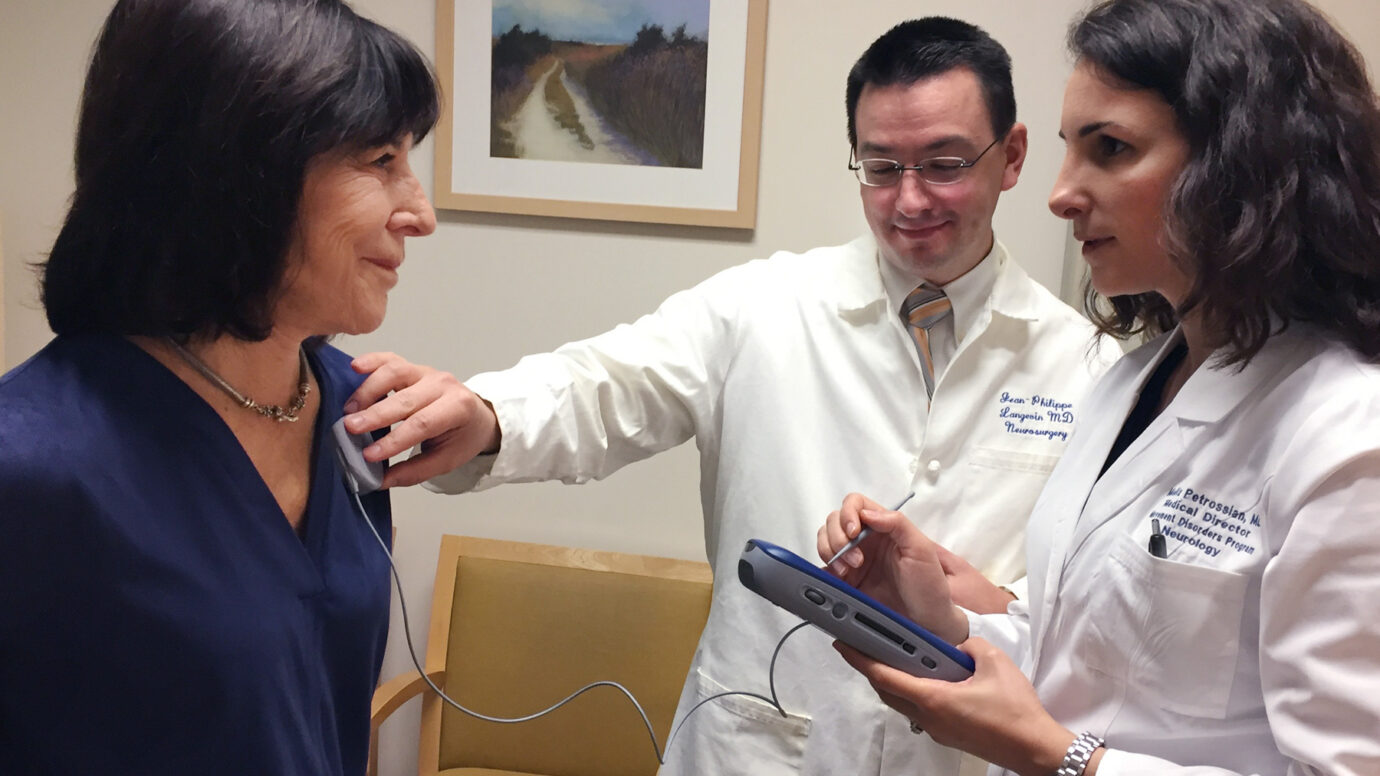
At the Pacific Neuroscience Institute, our experienced experts provide comprehensive evaluation and personalized care for patients with Restless Legs Syndrome. We use advanced diagnostic testing and evidence-based treatments to help patients sleep better, reduce discomfort, and restore quality of life.
Learn More About Restless Legs Syndrome
Relief strategies include iron supplementation, GABA-ergic or dopaminergic medications, and lifestyle changes such as improving sleep hygiene, regular exercise, reducing caffeine and alcohol intake, and using warm baths or leg massages before bedtime.
The main causes include low iron levels, genetic factors, and dopamine pathway dysfunction in the brain. Other contributors may include pregnancy, kidney disease, neuropathy, or certain medications.
Yes. While RLS is most common in the legs, it can also affect the feet, arms, or other limbs, especially as the condition progresses.
Yes. Many people live full, active lives with RLS. With proper diagnosis, iron supplementation, and tailored medical therapy, symptoms can often be significantly reduced or controlled.
In severe cases where RLS significantly disrupts sleep and daily function, it may qualify as a disability. However, most people experience improvement with medical treatment and lifestyle changes.
Iron is the most important nutrient for RLS management. In some cases, folate, magnesium, or vitamin D deficiencies may also contribute to symptoms. Supplementation should always be guided by a healthcare professional.
Resources

Get Expert Care from Leading Specialists
Our multidisciplinary team at Pacific Neuroscience Institute specializes in diagnosing and treating Restless Legs Syndrome. With expertise in neurology, sleep medicine, and movement disorders, our specialists create personalized treatment plans to address the root causes of RLS, improve sleep quality, and reduce symptoms. We are dedicated to helping each patient achieve lasting relief and an improved quality of life.
Written and reviewed by:
The Pacific Neuroscience medical and editorial team
We are a highly specialized team of medical professionals with extensive neurological and cranial disorder knowledge, expertise and writing experience.
Last Updated: