Meniere’s Disease

Overview

What is Ménière’s Disease?

Overview

Ménière’s disease is a chronic inner ear disorder that causes episodes of vertigo (a spinning sensation), tinnitus (ringing or buzzing in the ears), hearing loss, and a feeling of fullness or pressure in the affected ear. Symptoms often occur in unpredictable episodes and can significantly impact daily activities.

The exact cause is unknown, but it is thought to be related to an abnormal buildup of fluid (endolymph) in the inner ear, affecting both hearing and balance. This may involve overactivity or dysfunction of the vestibular nerve.

Most patients respond to a combination of dietary changes — particularly a low-salt diet — and medications such as diuretics and corticosteroids. In some cases, a direct injection of medication (such as gentamycin) into the middle ear can help control vertigo.

For patients whose symptoms do not improve with these measures, surgical treatment such as vestibular neurectomy (cutting the vestibular nerve) may be recommended. At Pacific Neuroscience Institute, this can be performed using a minimally invasive, endoscope-assisted approach.

Who is Affected?

Ménière’s disease can occur at any age but is most common in adults between 40 and 60 years old. It affects men and women equally, and in some cases, it may run in families. People with a history of migraines, autoimmune disorders, or allergies may be at slightly higher risk.

Symptoms + Causes

Ménière’s Disease Symptoms & Causes

Symptoms

Symptoms include:

  • Episodes of vertigo lasting 20 minutes to several hours.
  • Tinnitus (ringing, buzzing, or roaring in the ear).
  • Hearing loss, often affecting one ear at first and sometimes fluctuating.
  • A feeling of fullness or pressure in the ear.
  • Imbalance or unsteadiness during or after episodes.
  • Nausea and vomiting during severe vertigo attacks.

Causes

The exact cause is unknown, but possible contributing factors include:

  • Abnormal fluid buildup in the inner ear (endolymphatic hydrops).
  • Inner ear infections or inflammation.
  • Autoimmune inner ear disease.
  • Head injury or trauma to the ear.
  • Genetic predisposition.
  • Vascular (blood flow) irregularities affecting the inner ear.

When to See a Doctor

Early diagnosis can help manage symptoms, protect hearing, and reduce the impact on daily activities. Seek prompt medical evaluation if you experience:

  • Sudden, severe vertigo.
  • Sudden hearing loss in one or both ears.
  • Recurrent vertigo episodes interfering with daily life.
  • New or worsening tinnitus.
Diagnosis

Ménière’s Disease Diagnosis

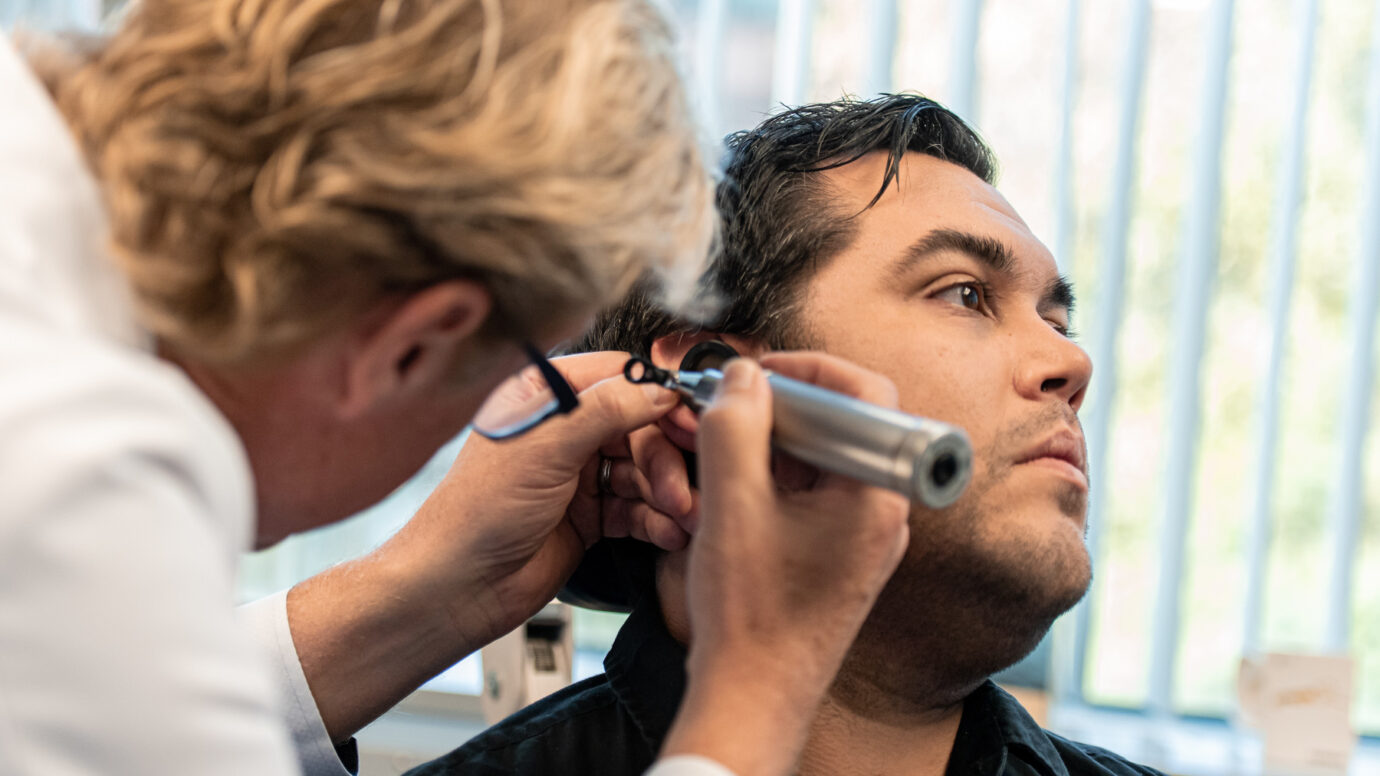
Diagnosis is based on a detailed medical history, symptom review, and examination. Hearing tests (audiometry) are essential to document hearing loss.

Other tests may include:

  • Videonystagmography (VNG) to assess balance function.
  • Electrocochleography (ECoG) to measure inner ear fluid pressure.
  • MRI to rule out other causes such as acoustic neuroma (vestibular schwannoma).
  • Blood tests to check for autoimmune or metabolic conditions.
Treatment + Outcomes

Ménière’s Disease Treatment & Outcomes

Treatment Options

While there is no cure for Ménière’s disease, treatments can reduce symptoms and improve quality of life:

Lifestyle Changes

Low-salt diet, limiting caffeine and alcohol, managing stress.

Medications

Diuretics, corticosteroids, anti-nausea medications, or vestibular suppressants during attacks.

Injections

Gentamycin or corticosteroids into the middle ear to control vertigo.

Surgery

Endolymphatic sac decompression, vestibular neurectomy, or labyrinthectomy in severe, refractory cases.

Vestibular Rehabilitation Therapy

Improves balance and reduces dizziness.

Patient Outcomes

With proper management, many patients experience significant improvement in vertigo and can maintain good quality of life. Hearing loss may progress over time in some individuals, and ongoing monitoring is important. Early intervention can help minimize long-term effects.

Managing Your Condition

Managing Ménière’s Disease

Daily management strategies include:

  • Following a low-sodium diet to help control inner ear fluid.
  • Staying hydrated with steady fluid intake.
  • Avoiding triggers such as caffeine, alcohol, and excessive stress.
  • Taking prescribed medications as directed.
  • Keeping a symptom diary to track patterns and triggers.
  • Using vestibular rehabilitation exercises to improve balance.
  • Planning activities to allow rest after episodes.
Care at PNI

Experience Compassionate, Expert Care

At Pacific Neuroscience Institute, we offer advanced diagnostic testing, medical management, and minimally invasive surgical options for Ménière’s disease. Our multidisciplinary team, including neurosurgeons, neurotologists, neurologists, audiologists, and rehabilitation therapists, provides comprehensive, personalized care to reduce symptoms, preserve hearing, and improve quality of life.

FAQs + Resources

Learn More About Ménière’s Disease

Most people can control symptoms with lifestyle changes and medication, but hearing loss may slowly progress. With treatment, vertigo attacks often become less frequent over time.

High-salt diets, caffeine, alcohol, stress, lack of sleep, and sudden changes in fluid balance can trigger or worsen symptoms.

Early stage: Sudden, unpredictable vertigo attacks with fluctuating hearing loss.

Middle stage: Vertigo may lessen, but hearing loss and tinnitus become more constant.

Late stage: Vertigo often stops, but balance issues and significant hearing loss remain.

Yes. Many people live full lives by managing triggers, following treatment plans, and making lifestyle adjustments.

During an episode, lie down in a safe place, avoid sudden head movements, focus on a fixed point, and take prescribed medication for nausea or dizziness.

The exact cause is unknown, but abnormal fluid buildup in the inner ear is believed to be the primary factor.

Staying well-hydrated supports fluid balance in the inner ear. However, excessive water intake is not a substitute for a low-salt diet.

Ménière’s disease does not shorten life expectancy, though symptoms can significantly impact quality of life if untreated.

Hearing loss may worsen over time, and some patients lose significant hearing in the affected ear. Early management can help slow progression.

Vestibular migraine, benign paroxysmal positional vertigo (BPPV), vestibular neuritis, and acoustic neuroma can mimic Ménière’s symptoms.

Resources

Contact Us

Get Expert Care from Leading Specialists

If you’re experiencing vertigo, tinnitus, or unexplained hearing changes, early diagnosis and treatment can make all the difference. Our Ménière’s disease experts at Pacific Neuroscience Institute provide personalized care, advanced therapies, and surgical expertise to help you regain balance and quality of life.