Memory Loss

Overview

What is Memory Loss?

Overview

Memory loss is a condition in which an individual experiences a decline in their ability to remember and recall information.

There are different types of memory, including short-term memory, which refers to the ability to remember information for a brief period, and long-term memory, which refers to the ability to retain and recall information over a longer period of time. Memory loss can affect either or both of these types of memory.

Mild forgetfulness and short term memory loss are common complaints in people as they age. Examples of common memory complaints that may occasionally occur during normal aging include misplacing objects around the house, forgetting the names of less familiar acquaintances, forgetting your intent upon entering a room, or having some difficulty remembering lesser details of what you have read or of prior conversations.

Signs of short term memory loss might include occasional word finding difficulty and feeling that a word is on the “tip of the tongue,” but having some difficulty retrieving it is also not uncommon. Although such infrequent memory lapses may be frustrating, they are not necessarily a cause for concern. Normal, age-related memory changes are very different from dementia.

Who is Affected?

Memory loss can affect individuals of all ages, but it is more commonly associated with aging and certain neurological conditions.

Symptoms + Causes

Memory Loss Symptoms & Causes

Symptoms

The symptoms of memory loss can vary depending on the underlying cause and the type of memory affected.

Some individuals may experience difficulty recalling recent events or conversations, while others may struggle with recalling information from their past.

Other symptoms may include difficulty with spatial navigation, word finding, and learning new information.

Causes

Memory loss can be caused by a variety of factors including:

  • Normal aging and certain medical conditions.
  • Lifestyle factors such as stress, poor sleep, and substance abuse.
  • Some of the medical conditions that can cause memory loss include Alzheimer’s disease, Parkinson’s disease, and stroke.

There are several short-term memory loss causes, including those due to medical conditions and or brain injuries. The main difference between age-related memory loss and dementia is that in normal aging the forgetfulness does not interfere with your ability to carry on with normal daily activities. In other words, the memory lapses have little impact on your daily life, or your ability to carry on the usual chores, tasks and routines that comprise our daily lives.

Short-term memory loss treatment depends on the underlying cause. For example, sudden memory loss could be associated with a brain aneurysm or brain tumor. In addition thyroid hormone imbalance, strokes, traumatic brain injury or concussion, brain infections (encephalitis, meningitis, etc.), and treatment for cancer can also cause short-term memory loss.

Some kinds of forgetfulness can be remedied by making adjustments to lifestyle and if possible, to medications.

  • Sleep: Persistent lack of sleep contributes significantly to forgetfulness. A minimum of 6 hours of sleep is suggested for adults.
  • Medication: Some medications for depression, blood pressure, heartburn, and overactive bladder can affect memory. Consulting with your physician to see if adjustments can be made could alleviate some memory issues.
  • Thyroid Level: Under-production of the thyroid hormone affects memory, sleep patterns and can cause depression. Your physician can order a blood test to assess hormone levels.
  • Stress/Anxiety: Both stress and anxiety cause the excess production of the stress hormone, cortisol which can interfere with the ability of the hippocampus to make as well as recall memories. Implementing a stress reduction program can help with memory function.
  • Depression: Depression and memory loss are linked conditions and forgetfulness can be a symptom or consequence of depression. Management and treatment of the depression can help alleviate memory issues.
  • Alcohol: Excess alcohol consumption affects short-term memory and can continue to interfere with memory afterwards.

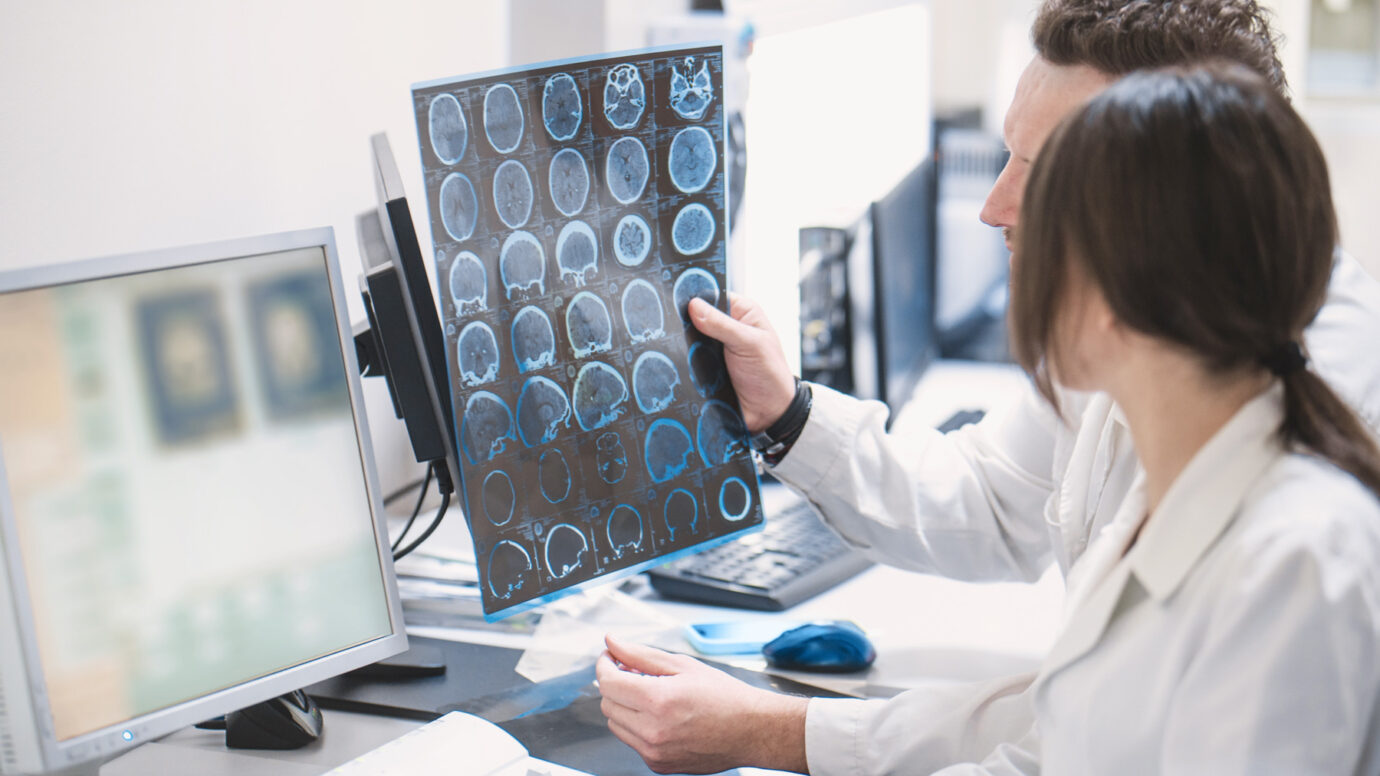
In contrast to the normal mild short-term memory loss associated with aging, dementia is characterized by marked, persistent, and disabling decline in two or more intellectual abilities such as memory, language, judgment or abstract reasoning, that significantly interfere with and disrupt your normal daily activities.

When memory disorders become so pervasive that it begins to disrupt your work, hobbies, social activities, and family relationships, this may suggest the warning signs of an evolving dementia syndrome or a condition that mimics dementia. How to treat memory loss along with other symptoms in these cases also is dependent on the underlying disease.

Some examples of conditions that cause or have associated memory loss are listed here.

When to See a Doctor

If an individual is experiencing memory loss, it is important to speak with a healthcare professional experienced in diagnosing and treating memory disorders. The healthcare professional may conduct a variety of tests and assessments to determine the underlying cause of the memory loss, and develop an appropriate treatment plan that addresses any specific needs or concerns.

Diagnosis

Memory Loss Diagnosis

Diagnosing memory loss begins with a thorough medical history, physical examination, and cognitive testing to assess the type and extent of impairment. Laboratory tests may be ordered to check for vitamin deficiencies, thyroid problems, infections, or other reversible causes.

Neuroimaging

Such as MRI or CT scans can help detect structural brain changes, tumors, or evidence of stroke.

Specialized Testing

In some cases, specialized testing — such as PET scans, EEGs, or neuropsychological evaluations — may be recommended to clarify the diagnosis or distinguish between types of dementia.

Early diagnosis is key for managing symptoms, addressing reversible causes, and planning long-term care.

Treatment + Outcomes

Memory Loss Treatment & Outcomes

Treatment Options

There are several treatments and interventions available for memory loss, including medications, cognitive therapy, and lifestyle changes such as exercise, a healthy diet, and stress reduction. In some cases, memory loss may be reversible if the underlying cause is identified and treated early.

Patient Outcomes

Outcomes for memory loss vary greatly depending on the cause.

  • Reversible causes (such as vitamin deficiencies, thyroid disease, depression, sleep apnea, or medication side effects) can often be improved or resolved with treatment.
  • Progressive neurological conditions (such as Alzheimer’s disease or other dementias) are not reversible, but early intervention can slow progression, manage symptoms, and improve quality of life.

Regular follow-up with specialists, adherence to treatment plans, and healthy lifestyle habits can help maintain function for as long as possible.

Managing Your Condition

Managing Memory Loss

Specialists at our center work together to provide an integrated and holistic approach to our patients’ cognitive challenges. We conduct a complete brain health workup including a cognitive brain health assessment and memory assessment.

For patients with associated neurocognitive disease, our multidisciplinary team of specialists in neurology, neuropsychology, and psychiatry work with colleagues at other centers of excellence at Pacific Neuroscience Institute to provide comprehensive consultations.

For individuals experiencing cognitive changes, our Brain Wellness & Lifestyle Program integrates scientific research and proven techniques to offer a clear plan for achieving optimal brain function. Our expert-led programs address the five key lifestyle factors for a healthy brain:

  • Memory training
  • Nutrition coaching
  • Stress management
  • Fitness optimization
  • Sleep regulation
Care at PNI

Experience Compassionate, Expert Care

At Pacific Neuroscience Institute, we combine advanced diagnostics with a compassionate, patient-centered approach to address memory loss. Our specialists in neurology, adult and older adult psychiatry, and brain health work together to identify the cause, create a tailored treatment plan, and provide ongoing support for you and your loved ones.

With our broad range of memory loss treatment resources, and through social and community-based interventions we are able to support people in aging well. Programs for cognitive brain health and physical and mental exercise, along with nutritional and lifestyle recommendations, have been shown to help in memory enhancement and improve brain resilience.

From initial evaluation to long-term management, our goal is to help you preserve function, independence, and quality of life.

FAQs + Resources

Learn More About Memory Loss

The outlook depends on the cause. If memory loss is due to reversible factors like sleep problems, medication side effects, or vitamin deficiencies, symptoms may improve. For progressive conditions like Alzheimer’s disease, symptoms typically worsen over time, though treatment can help maintain quality of life.

A healthy lifestyle is the foundation: regular exercise, a balanced diet, adequate sleep, stress management, and staying mentally and socially active. Treating underlying medical conditions and adjusting medications can also help. Cognitive therapy and memory training may improve brain resilience.

Mild changes in memory and processing speed can start in the late 50s or early 60s, but significant impairment is not a normal part of aging. If memory problems interfere with daily life, evaluation is recommended.

Causes range from normal aging and stress to medical conditions such as Alzheimer’s disease, Parkinson’s disease, stroke, thyroid problems, vitamin B12 deficiency, brain injury, sleep disorders, depression, and certain medications.

Occasional forgetfulness, like misplacing items, forgetting names of acquaintances, or momentarily losing your train of thought, can be normal with age — as long as it doesn’t significantly impact daily functioning.

Schedule an evaluation with a healthcare provider experienced in cognitive disorders. They can determine the cause through history, examination, and testing, then recommend treatment or specialist referral.

There is no single “memory pill” for everyone. In certain conditions, medications like donepezil, rivastigmine, or memantine may be prescribed to help maintain cognitive function. These are typically used for Alzheimer’s disease or other dementias, not for normal age-related changes.

If caused by factors like poor sleep, depression, thyroid disorders, medication side effects, or vitamin deficiencies, memory loss can sometimes be improved or reversed. In degenerative diseases, it cannot be reversed, but treatment can help manage symptoms.

Several medications can contribute to memory problems, including benzodiazepines (for anxiety/sleep), certain antihistamines, tricyclic antidepressants, some blood pressure medications, and anticholinergic drugs for bladder problems. Always review medications with your doctor.

Resources

Contact Us

Get Expert Care from Leading Specialists

At Pacific Neuroscience Institute, our multidisciplinary team offers expert evaluation, accurate diagnosis, and personalized treatment for all causes of memory loss. Whether symptoms are due to aging, a reversible medical condition, or a neurodegenerative disease, we work with you to create a comprehensive plan to improve brain health and quality of life.

Written and reviewed by:
The Pacific Neuroscience medical and editorial team
We are a highly specialized team of medical professionals with extensive neurological and cranial disorder knowledge, expertise and writing experience.

Last Updated: