Hemifacial Spasm
What is Hemifacial Spasm?
Overview
Hemifacial spasm is a neurological condition that causes involuntary, repetitive twitching or spasms on one side of the face. It often begins around one eye and can gradually spread to involve the cheek, mouth, or lips. While these movements are entirely involuntary, they may be triggered or worsened by stress, fatigue, or closing the eyes.
The facial nerve (7th cranial nerve) controls movement of the facial muscles. In hemifacial spasm, the recurring twitches occur because this nerve is being irritated or compressed—most often by a blood vessel that runs alongside the brainstem.
This compression typically happens where the facial nerve exits the brainstem into the surrounding fluid-filled space. Because the nerve lies beneath the hearing and balance nerve, surgical access to the area can be challenging. The vessel responsible for compression is often a small artery, but in some cases, even a vein can cause the problem.
Who is Affected?
Hemifacial spasm can occur in both men and women, but it is more commonly seen in middle-aged and older adults, particularly women. The condition usually affects only one side of the face, and while rare, it can occur in younger individuals. Most cases are not inherited, but certain structural or vascular factors may increase the likelihood of developing the condition.
Hemifacial Spasm Symptoms & Causes
Symptoms
The hallmark symptom of hemifacial spasm is involuntary, repetitive twitching or contractions of the muscles on one side of the face. These may:
- Begin around the eye, causing forceful blinking or closure.
- Spread to the cheek, mouth, or neck muscles.
- Occur intermittently or almost continuously.
- Worsen with stress, fatigue, or voluntary facial movements.
- Lead to facial tightness or pulling sensations.
In advanced cases, spasms may persist during sleep, cause the eye to remain closed, or result in noticeable facial asymmetry.
Causes
In most cases, hemifacial spasm is caused by a blood vessel—often a small artery—pressing against the facial nerve (7th cranial nerve) where it exits the brainstem. This constant contact irritates the nerve, disrupting its normal signaling.
The compression is thought to trigger retrograde transmission, meaning abnormal electrical impulses travel backward toward the nerve’s origin in the brainstem (facial nucleus). The facial nucleus then misinterprets these signals, causing the nerve to fire inappropriately and produce uncontrolled muscle contractions.
Hemifacial spasm can also develop after conditions that affect the facial nerve, such as Bell’s palsy or facial nerve injury. In these cases, nerve healing may be imperfect, creating abnormal connections that lead to involuntary twitching.
Although rare, other causes—such as tumors, cysts, or vascular malformations—can also compress or damage the facial nerve and produce similar symptoms.
When to See a Doctor
You should seek medical attention if you notice persistent or worsening twitching or spasms on one side of your face, especially if:
- The twitching is spreading from the eye to other parts of the face.
- Spasms are interfering with vision, speech, or daily activities.
- You develop facial weakness, numbness, or other neurological symptoms.
- Symptoms continue during sleep or are becoming more frequent.
Early evaluation is important to rule out other possible causes, such as tumors or structural abnormalities, and to discuss effective treatment options. In many cases, addressing hemifacial spasm early can improve outcomes and quality of life.
Hemifacial Spasm Diagnosis
Hemifacial spasm is primarily diagnosed through a detailed clinical examination of facial movements. Your doctor will observe the pattern, frequency, and distribution of twitching to distinguish it from other conditions.
To confirm the diagnosis and identify the underlying cause, an MRI of the brain is performed with thin slices through the brainstem where the 7th cranial nerve (facial nerve) travels. In addition, an MRA (non-invasive angiogram) of the brain’s arteries can reveal whether a blood vessel is compressing the nerve.
The progression of symptoms is often predictable. Twitching usually begins in the eyelid, triggered mostly by activity or movement. Over time, it spreads down the face—affecting the cheek, jaw, and sometimes extending into the neck. Eventually, twitching may occur even at rest, becoming uncontrolled and disruptive.
In severe cases, muscle contractions can progress to a sustained tightening known as “tonus phenomena.” This is similar to a “Charlie horse” in the face, causing periods where the facial muscles lock—eyes may close tightly, the cheek contracts, and the jaw clenches.
Not only can this be painful, but it may also pose safety risks. When one eye is forced shut, binocular vision is lost, which can lead to sudden and unpredictable loss of depth perception and three-dimensional vision. This can make driving, walking on uneven surfaces, or performing daily activities more hazardous.
Hemifacial Spasm Treatment & Outcomes
Treatment Options
Treatment for hemifacial spasm generally falls into three categories: medical therapy, ablative therapy, and microvascular decompression surgery.
Several oral medications, including clonazepam (a benzodiazepine) and trihexyphenidyl (Artane), have been used to treat hemifacial spasm. These drugs act as muscle relaxants or sedatives, but unlike trigeminal neuralgia, hemifacial spasm is rarely consistently responsive to medication. Sedation is a common side effect, which is why many patients transition to injection-based treatments.
Botox works by partially blocking the connection between the facial nerve endings and the facial muscles, relaxing overly active muscles. Injections are targeted using EMG (electromyography) guidance to pinpoint the most active muscle fibers.
The procedure typically takes 20–30 minutes, with temporary discomfort or bruising possible. Results appear within 3–10 days and last about 3–4 months, so most patients need repeat treatments three to four times per year. Botox is covered by insurance for hemifacial spasm, and treating the eye spasms alone often reduces lower face spasms as well.
Potential side effects include temporary weakness of eye closure (leading to dry eye or tearing), facial asymmetry or drooping, eyelid droop, double vision, and trouble swallowing. These effects resolve within 2–3 months as the Botox wears off. Over time, some patients may require more frequent injections if the treatment’s effect lessens.
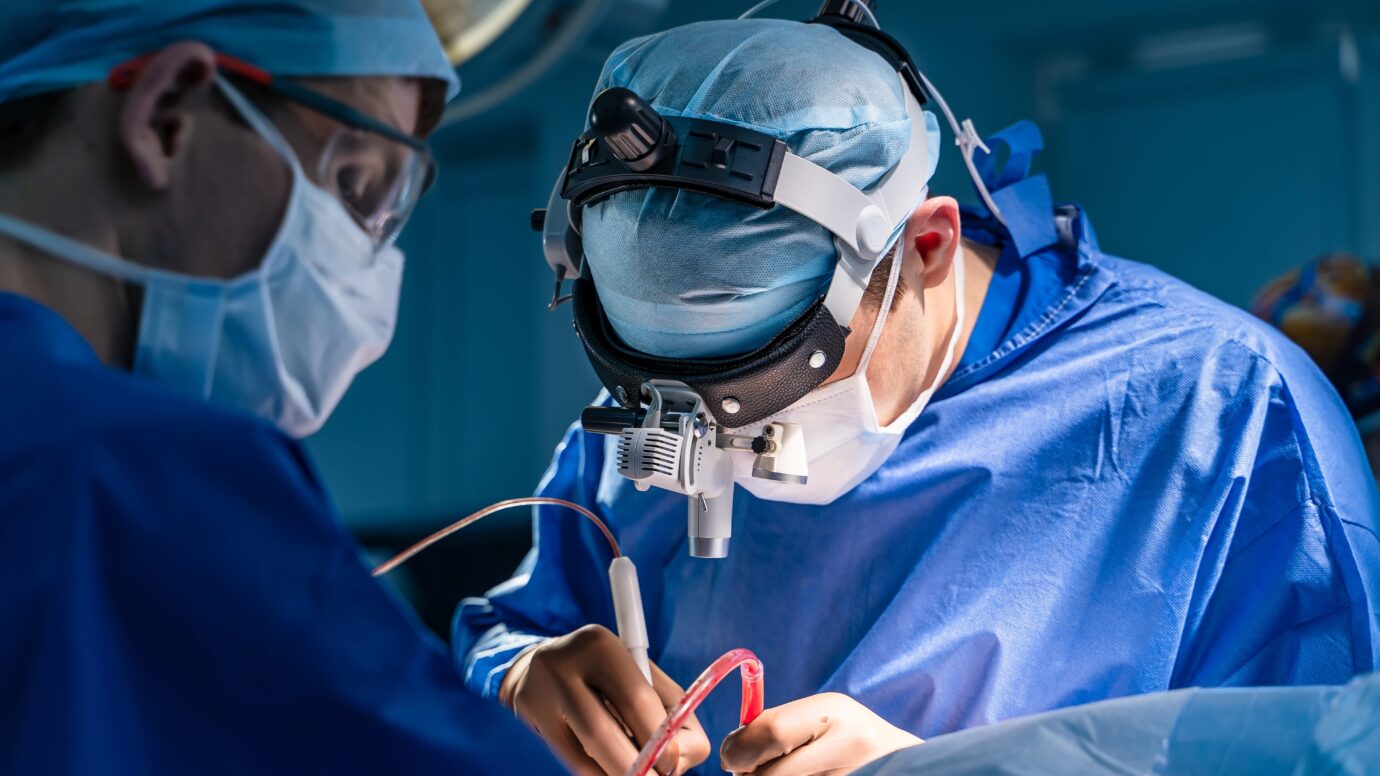
For patients who do not achieve adequate relief from Botox or experience significant side effects, microvascular decompression surgery is a definitive treatment option. This procedure relieves pressure on the facial nerve by repositioning or padding the blood vessel causing the compression.
Over 90% of patients experience significant, long-lasting relief after MVD. The surgery is generally well tolerated, though there is a 1–2% risk of hearing loss on the operated side. Surgeons take careful measures to minimize these risks, and recovery times vary depending on the individual.
Patient Outcomes
Most patients achieve good symptom control with Botox injections, although treatments need to be repeated regularly. For those who undergo microvascular decompression, the relief is often long-lasting, with the majority remaining symptom-free for years. Recurrence rates after MVD are low but can occur, especially if scar tissue develops or if the blood vessel shifts over time.
Early treatment can improve quality of life by reducing both the physical discomfort and social or psychological impact of visible facial twitching. With modern treatment options, the majority of patients can return to normal daily activities without significant restrictions.
Managing Hemifacial Spasm
Living with hemifacial spasm can be challenging, but proactive management can help minimize its impact:
Stay on Top of Treatment Schedules
Whether you receive Botox injections or are recovering from surgery, keeping regular follow-up appointments ensures optimal results.
Monitor Changes in Symptoms
Report any new or worsening spasms, vision changes, or facial weakness to your doctor promptly.
Protect Your Eyes
Use lubricating eye drops if spasms or Botox injections cause dryness or incomplete eyelid closure.
Maintain Overall Health
A balanced diet, good sleep habits, and stress management may help reduce symptom flares.
Seek Support
Facial movement disorders can affect confidence and social interactions; counseling or support groups can provide emotional and practical help.
With consistent medical care and lifestyle adjustments, most patients can manage hemifacial spasm effectively and maintain a high quality of life.
Meet our Expert Specialists & Surgeons



Experience Compassionate, Expert Care

At Pacific Neuroscience Institute, our specialists provide comprehensive care for hemifacial spasm. We combine advanced diagnostics, targeted Botox therapy, and minimally invasive microvascular decompression surgery to relieve symptoms, improve facial function, and enhance quality of life. Our multidisciplinary team tailors treatment plans to each patient’s unique needs and ensures ongoing support throughout recovery.
Learn More About Hemifacial Spasm
With modern treatments, most patients achieve significant symptom relief. Botox provides temporary control, while microvascular decompression often offers long-term resolution in over 90% of cases.
The most effective long-term treatment is microvascular decompression surgery. Botox injections are effective for symptom management, especially for patients who are not surgical candidates.
Spasms rarely resolve without treatment. Most cases persist or gradually worsen over time, so early evaluation is recommended.
The most common cause is compression of the facial nerve by a blood vessel near the brainstem. Less commonly, it may result from facial nerve injury, Bell’s palsy, or tumors.
There is no established evidence linking low vitamin D to hemifacial spasm. The condition is usually caused by nerve compression or injury.
Hemifacial spasm does not affect overall life expectancy. Prognosis is related to symptom control and quality of life rather than survival.
Recent advances include EMG-guided Botox injections for precise targeting and minimally invasive microvascular decompression techniques that reduce surgical risk and recovery time.
Other conditions such as blepharospasm, facial tics, seizure activity, or tardive dyskinesia can mimic hemifacial spasm, making evaluation by a specialist important.
Resources
Get Expert Care from Leading Specialists
At Pacific Neuroscience Institute, our specialists provide thorough evaluation and personalized treatment plans for hemifacial spasm, combining advanced therapies with compassionate care.
Written and reviewed by:
The Pacific Neuroscience medical and editorial team
We are a highly specialized team of medical professionals with extensive neurological and cranial disorder knowledge, expertise and writing experience.
Last Updated: