Glossopharyngeal Neuralgia
What is Glossopharyngeal Neuralgia?
Overview
Glossopharyngeal neuralgia is a rare nerve pain disorder affecting the deep throat and sometimes the ear, caused by irritation or compression of the glossopharyngeal nerve (9th cranial nerve). This nerve provides sensation to the back of the tongue, throat, and part of the ear, and works closely with the vagus nerve (10th cranial nerve), which helps control swallowing.
The most common cause is compression of these nerves by a small artery or vein near the brainstem. This compression can produce intense, electric shock-like or stabbing pain in the throat, often triggered by swallowing, talking, coughing, or eating certain foods—especially cold liquids or spicy items. Pain may radiate into the ear and can come and go, but often worsens over time.
The nerves lie deep under the hearing and balance nerve, making surgical access challenging. Successful treatment requires precise diagnosis and specialized surgical expertise.
Who is Affected?
Glossopharyngeal neuralgia most often affects adults over age 50, though it can occur at any age. It is slightly more common in men and in people with certain blood vessel arrangements near the brainstem. It may also occur after throat surgery, neck injury, or in association with conditions like multiple sclerosis.
Glossopharyngeal Neuralgia Symptomsrn& Causes
Symptoms
Symptoms include:
- Sudden, severe, stabbing or electric shock-like throat pain.
- Pain triggered by swallowing, speaking, coughing, or eating.
- Pain radiating to the ear, tonsil area, or back of the tongue.
- Episodes lasting seconds to minutes, sometimes in clusters.
- Possible weight loss due to fear of eating from pain.
Causes
Causes of glossopharyngeal neuralgia include:
- Blood vessel compression of the glossopharyngeal nerve at the brainstem.
- Rarely, tumors, cysts, or scar tissue near the nerve.
- Nerve inflammation or demyelination (e.g., from multiple sclerosis).
When to See a Doctor
Seek emergency care if pain is accompanied by difficulty breathing, swallowing, or neurological symptoms such as weakness or facial drooping.
See a medical professional and get attention promptly if you experience:
- Sudden, severe, unexplained throat or ear pain.
- Pain triggered by swallowing or talking that persists over days to weeks.
- Difficulty eating or drinking due to pain.
Glossopharyngeal Neuralgia Diagnosis
Diagnosis is based on a detailed symptom history, neurological exam, and imaging studies.
High-resolution MRI with special vascular sequences can detect blood vessel compression at the brainstem. Because glossopharyngeal neuralgia is rare, misdiagnosis as ear or throat disease is common, making expert evaluation essential.
Glossopharyngeal Neuralgia Treatment & Outcomes
Treatment Options
There are many forms of treatment recommended but in general they fall into 3 categories:
Drugs similar to that for trigeminal neuralgia have been tried for glossopharyngeal neuralgia with little success. These medications are intended to calm or improve the function of the nerve. In general, these are medications often used for seizures of the brain (Tegretol, Dilantin and Lamictal). Unfortunately, these rarely provide consistent relief and may create unwanted side-effects, such as, sedation, lethargy, cognitive impairment amongst others. Under these circumstances patients may wish to consider other therapies.
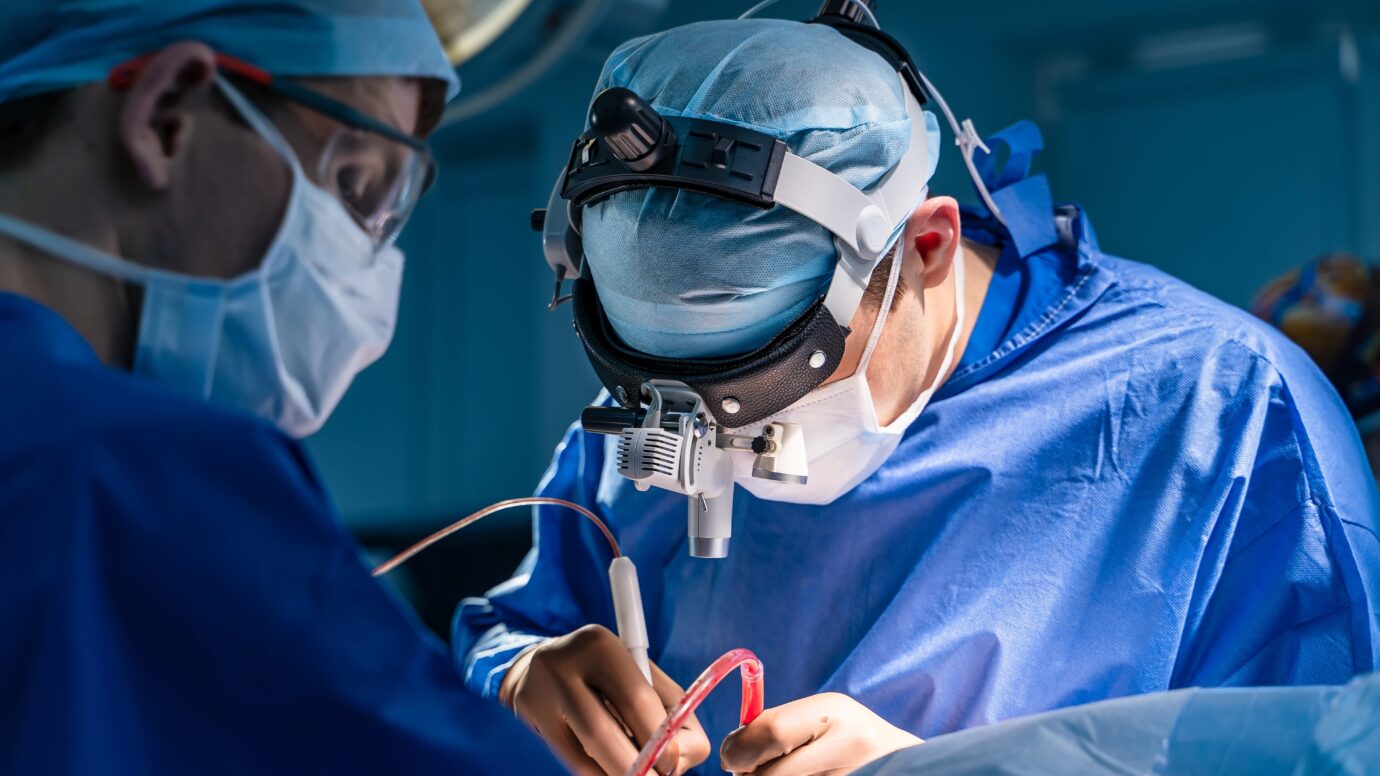
This procedure is intended to move the offending vessel and create a cushion or pad between the glossopharyngeal nerve and the upper two branches (fascicles) of the Vagus nerve and the offending vessel(s). The decompression addresses the root cause of glossopharyngeal neuralgia by dealing with vessel that is irritating the nerve.This minimally invasive, endoscope assisted surgery involves a keyhole retromastoid craniotomy made through a small incision behind the ear. Through this small bony opening and using a high-definition endoscope and microscope, small pads of Teflon are placed between the nerve and vessel to “decompress” the nerve and allow it to function normally. Using this technique, there is little or no need for brain retraction or nerve manipulation. Occasionally also treating the nervus intermedius (part of the facial nerve – causing otic neuralgia) may improve the outcome.
These therapies are designed to ablate or selectively destroy specific fibers of the glossopharyngeal nerve. The procedure consists of a variety of approaches of cutting or sectioning the nerve. In our experience these are unsuccessful, may close the door for subsequent definitive therapy and should be kept as a last resort.
Patient Outcomes
With appropriate treatment—particularly microvascular decompression—most patients experience complete or near-complete pain relief. Outcomes are best when surgery is performed by highly experienced neurosurgeons or skull base surgeons. For those who undergo successful decompression, long-term pain-free rates exceed 80%, with low risk of recurrence.
Managing Glossopharyngeal Neuralgia
While awaiting treatment or if surgery is not an option:
- Avoid known triggers such as cold drinks or spicy foods.
- Maintain good nutrition with soft or lukewarm foods.
- Keep a pain diary to identify patterns and triggers.
- Take medications exactly as prescribed.
- Work with your physician to adjust therapy as needed.

Experience Compassionate, Expert Care

At Pacific Neuroscience Institute, our experienced neurosurgeons, skull base and cranial nerve specialists offer advanced diagnostic tools and minimally invasive surgical techniques, including endoscope-assisted microvascular decompression. Our team provides individualized care in a supportive, patient-centered environment.
Learn More About Glossopharyngeal Neuralgia
With expert surgical treatment such as microvascular decompression, long-term pain relief is achieved in most patients, often permanently. Without treatment, symptoms usually persist and may worsen over time.
Most cases are caused by blood vessel compression of the glossopharyngeal nerve near the brainstem. Less common causes include tumors, cysts, or nerve damage from conditions like multiple sclerosis.
The most effective long-term solution is microvascular decompression surgery to relieve nerve compression. Medications may offer temporary relief, but are often less effective for this condition.
Triggers include swallowing, talking, coughing, chewing, yawning, or consuming cold or spicy foods.
It can be confused with trigeminal neuralgia, ear infections, temporomandibular joint (TMJ) disorders, throat inflammation, or dental pain.
Pain is often triggered deep in the throat or back of the tongue, and may radiate to the ear.
It typically feels like sudden, severe, stabbing or electric shock-like pain in the throat and/or ear.
A neurosurgeon—particularly one specializing in cranial nerve disorders and skull base surgery—is best suited to diagnose and treat this condition.
It supplies sensation to the back of the tongue, throat, tonsils, part of the ear, and contributes to swallowing function.
Resources
Get Expert Care from Leading Specialists
At Pacific Neuroscience Institute, our specialists have extensive experience treating glossopharyngeal neuralgia and other facial pain syndromes. Our team offers advanced diagnostics, minimally invasive surgical solutions, and compassionate care for glossopharyngeal neuralgia.
Written and reviewed by:
The Pacific Neuroscience medical and editorial team
We are a highly specialized team of medical professionals with extensive neurological and cranial disorder knowledge, expertise and writing experience.
Last Updated: