Chronic Facial Paralysis
What is Chronic Facial Paralysis?
Overview
Chronic facial nerve paralysis is clinically defined as having facial paralysis for greater than one year from the onset of injury. One key factor that should be assessed in all cases is the potential for recovery of facial function.
Reversibility of nerve function depends both on the health of the facial nerve (if it is intact) and the facial muscles. This can be assessed by diagnostic testing such as EMG or ENoG.
In general, if the muscles are deemed to be functional, treatment should be aimed at reinnervation of the facial nerve. If the motor endplates are not functional, then treatment should be focused on transferring a different muscle to the region to recreate dynamic facial movement for the purpose of communication and conveying emotions.
Who is Affected?
Chronic facial paralysis can affect individuals of all ages and backgrounds. It often develops in patients who:
- Have experienced long-standing untreated or severe facial nerve injury.
- Have undergone surgery or radiation for head and neck tumors.
- Have had Bell’s palsy or Ramsay Hunt syndrome without full recovery.
- Sustained traumatic facial or skull base injuries.
- Have congenital or developmental facial nerve disorders.
Chronic Facial Paralysis Symptomsrn& Causes
Symptoms
Clinical signs of chronic facial paralysis include:
- Absence of forehead wrinkles
- Drooping of the eyebrow (brow ptosis)
- Inability to close the eye completely (lagopthalmos)
- Lower eyelid laxity (ectropion)
- Inability to dilate nostril and new onset unilateral nasal obstruction
- Absence of melolabial fold
- Depression of the corner of the mouth
- Speech deficits
- Drooling
- Difficulty eating
Causes
Chronic facial paralysis may result from a variety of conditions, including:
- Unresolved Bell’s palsy or Ramsay Hunt syndrome
- Trauma to the facial nerve (fractures, deep lacerations, surgical injury)
- Tumor-related injury from acoustic neuromas, parotid tumors, or skull base tumors
- Infections or inflammatory diseases affecting the nerve
- Congenital paralysis (present at birth)
- Post-surgical complications from head and neck procedures
When to See a Doctor
Early assessment by a facial nerve specialist helps guide treatment planning and improves functional outcomes. Seek medical evaluation if you experience:
- No recovery from facial paralysis after 6–12 months
- Difficulty closing the eye, which can lead to dryness, irritation, or corneal damage
- Speech or swallowing problems
- Significant emotional or social impact from facial asymmetry
Chronic Facial Paralysis Diagnosis
Chronic facial paralysis is defined by having complete, flaccid, facial paralysis without evidence of recovery for at least 12 months. The underlying cause of the paralysis is not as important as the lack of recovery. In general chronic facial paralysis can be diagnosed based on history and a patient-specific physical examination. This will also include a review of any pertinent imaging and nerve conduction testing that has been performed.
Chronic Facial Paralysis Treatmentrn& Outcomes
Treatment Options
The treatment options for chronic facial nerve paralysis can be separated into two broad categories of reversible and irreversible injuries.
Patients with functional facial muscles have reversible injuries, and treatment is aimed at reinnervation of these muscles through repair of the facial nerve or transferring another nerve to power the branch of the facial nerve close to the muscles of the face.
Patients whose facial muscles are no longer functional have irreversible injuries and typically require muscle transfers or static slings to restore facial form and function.
For more information on surgical procedures that can be used to treat chronic facial paralysis please see surgical management of facial paralysis.
Patient Outcomes
While full restoration of pre-injury function may not always be possible, modern reconstructive techniques offer significant functional and cosmetic improvement. With appropriate treatment, patients often experience:
- Improved facial symmetry and tone
- Restoration of dynamic movement, allowing for more natural expressions
- Enhanced eye protection and oral competence
- Better communication and quality of life
Managing Chronic Facial Paralysis
Living with chronic facial paralysis requires a comprehensive care plan that may include:
Ongoing Therapy
(Facial retraining exercises, physical therapy)
Protective Eye Care
To prevent corneal damage
Speech Therapy
Speech or swallowing therapy as needed
Psychological Support
To address the emotional and social impacts of facial paralysis
Meet our Expert Specialists & Surgeons

Experience Compassionate, Expert Care
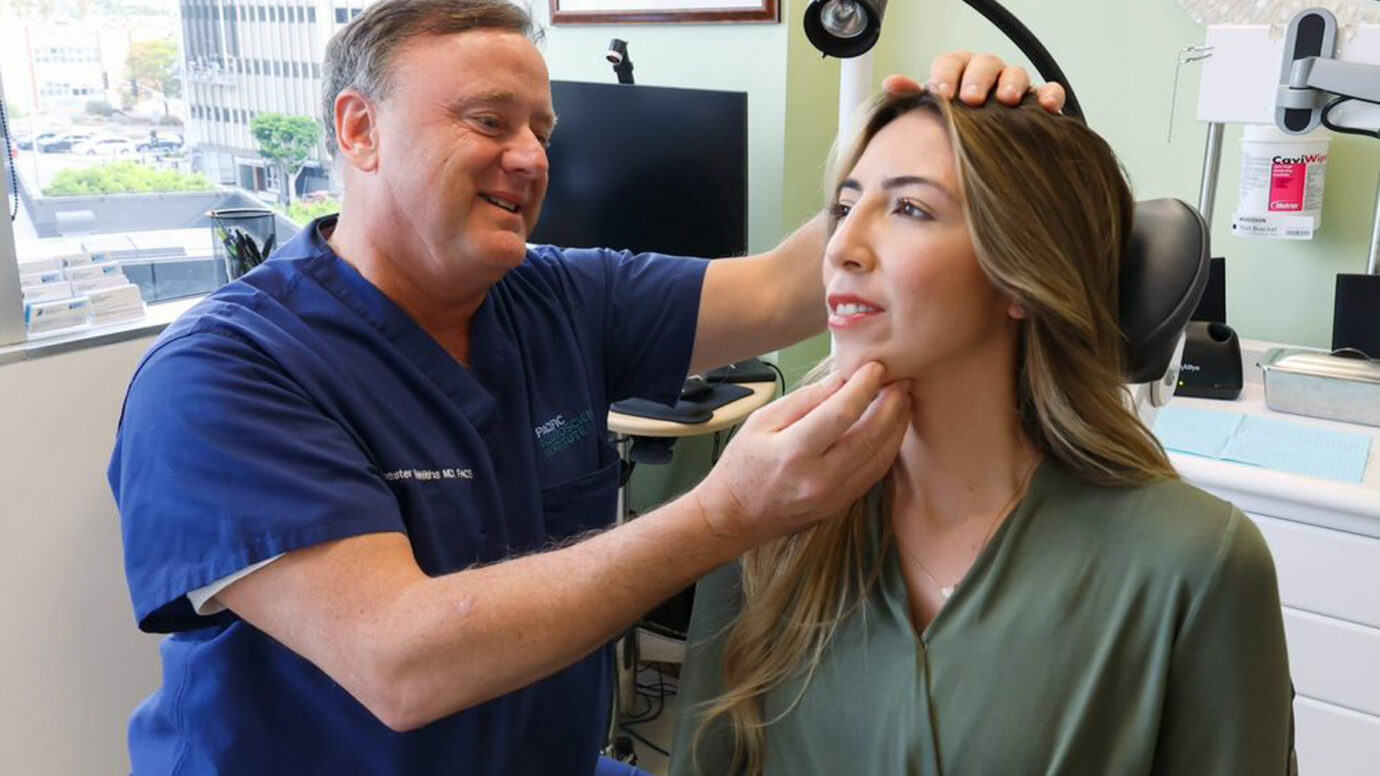
Our team at Pacific Neuroscience Institute includes nationally recognized experts in facial nerve reconstruction. We provide personalized treatment plans for patients with chronic facial paralysis, combining advanced microsurgical techniques with a compassionate, multidisciplinary approach.
We understand that chronic facial paralysis affects more than just physical appearance—it impacts communication, emotional expression, and quality of life. At PNI, we work closely with each patient to develop a tailored treatment plan, focusing on restoring both function and confidence.
Learn More About Chronic Facial Paralysis
Prognosis depends on how long the paralysis has been present and whether muscle function can be restored. With modern microsurgical techniques, significant functional and cosmetic improvements are often achievable.
Permanent paralysis can result from severe nerve injury, prolonged untreated paralysis, surgical injury, or conditions that destroy the nerve or muscle tissue.
While anxiety does not cause true facial paralysis, stress and anxiety can sometimes cause temporary muscle weakness or twitching (facial spasms), which is different from paralysis.
Electrodiagnostic testing (EMG, ENoG) and clinical assessment help determine if the facial muscles are still viable and whether the nerve damage is permanent.
Facial nerves can regenerate over time, but the extent of recovery depends on the severity and location of the injury. After a year without recovery, spontaneous regeneration is unlikely, and surgical intervention may be necessary.
Resources
Get Expert Care from Leading Specialists
If you have been living with facial paralysis for over a year without improvement, specialized care can make a life-changing difference. Our team at PNI offers the latest reconstructive options to help restore movement, function, and expression.
Written and reviewed by:
The Pacific Neuroscience medical and editorial team
We are a highly specialized team of medical professionals with extensive neurological and cranial disorder knowledge, expertise and writing experience.
Last Updated: