Cholesterol Granuloma

Overview

What is a Cholesterol Granuloma?

Overview

A cholesterol granuloma is a rare, benign (noncancerous) cyst-like lesion that develops in the petrous apex, a part of the temporal bone of the skull located next to the middle ear. It is filled with fluid, cholesterol crystals, and breakdown products from blood.

While cholesterol granulomas are not cancerous, they can still cause problems because they may grow over time. As they enlarge, they can press against the inner ear, nearby important facial nerves, and even parts of the brain, leading to symptoms that affect hearing, balance, and facial movement.

Who is Affected?

Cholesterol granulomas can occur in both men and women and at any age, but they are most often diagnosed in adults between 30 and 60 years old. They are rare and often found incidentally during imaging for unrelated symptoms, though some patients present with hearing or balance problems.

Symptoms + Causes

Cholesterol Granuloma Symptomsrn& Causes

Symptoms

Symptoms depend on the size and exact location of the cholesterol granuloma, as well as which structures it is pressing on. They may include:

  • Hearing loss in one ear (often gradual)
  • Ringing in the ears (tinnitus)
  • Facial twitching or muscle weakness
  • Vertigo (spinning sensation) or balance problems
  • Facial numbness or tingling
  • Fullness or pressure in the ear
  • Rarely, headaches or double vision if the lesion is large enough to affect nearby cranial nerves

Causes

Cholesterol granulomas form when normal drainage and ventilation of air-filled spaces in the temporal bone are blocked. This leads to a vacuum effect and accumulation of fluid, which causes small blood vessels to rupture. Over time, the breakdown of trapped blood and cholesterol crystals triggers an inflammatory reaction, creating the granuloma.

Risk factors may include:

  • Chronic middle ear or sinus infections
  • Prior ear surgery or trauma
  • Anatomical variations that block drainage from the petrous apex

When to See a Doctor

Early diagnosis and treatment can help prevent permanent nerve or hearing damage. Seek prompt evaluation from an otolaryngology (ENT – Head & Neck) surgeon if you have:

  • New or worsening hearing loss in one ear
  • Persistent tinnitus or balance problems
  • Facial weakness, twitching, or numbness
  • Dizziness or vertigo that is worsening
Diagnosis

Cholesterol Granuloma Diagnosis

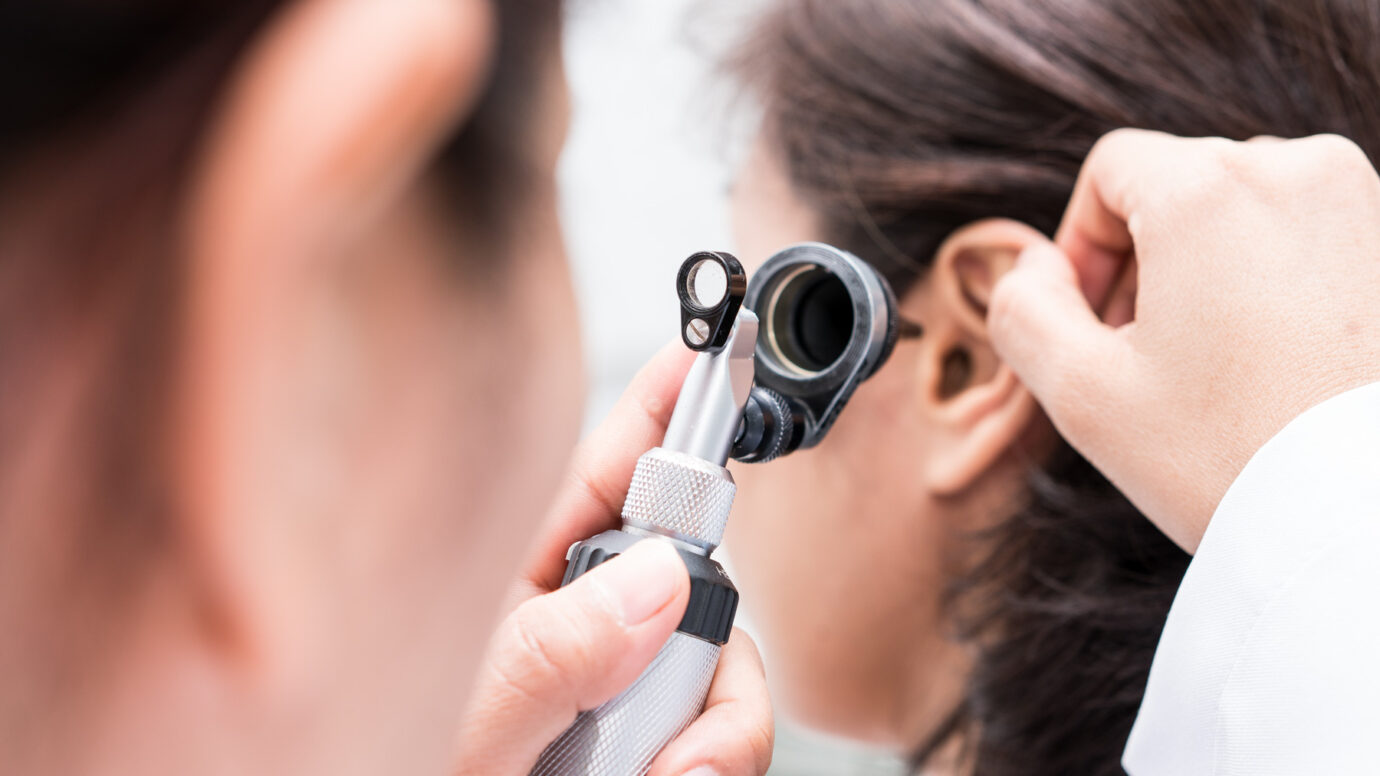
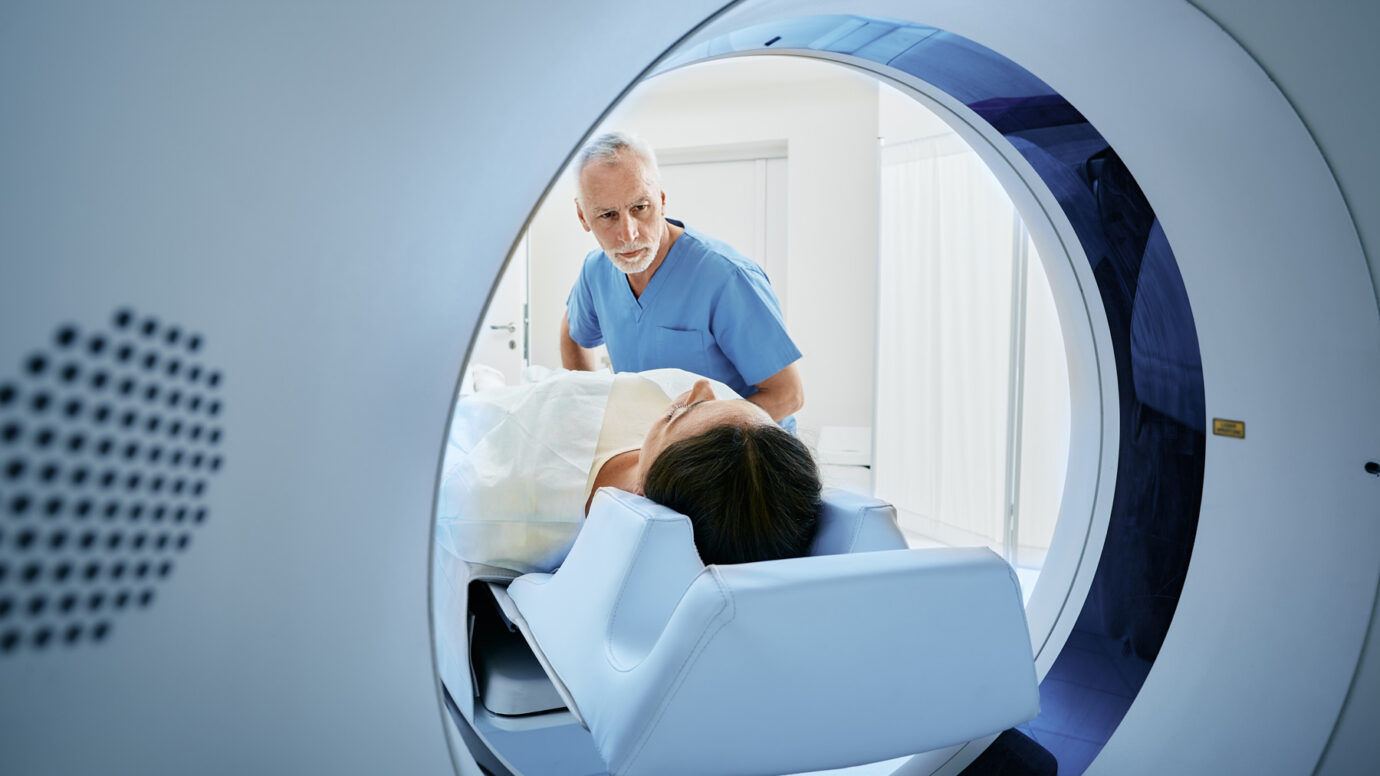
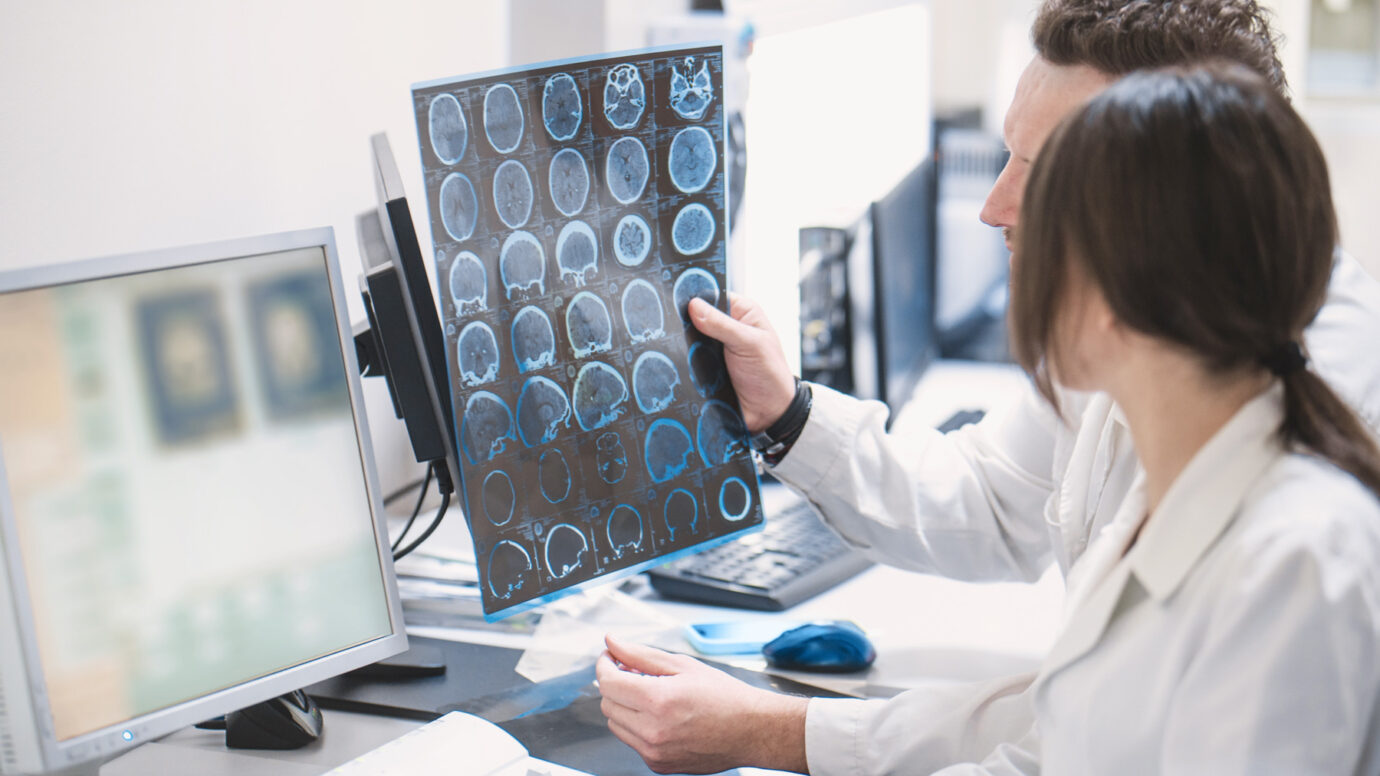
A cholesterol granuloma may be suspected during an ear examination if the eardrum appears blue-tinged or if there is a brownish bulge behind it. However, many are discovered through imaging studies ordered for hearing or balance symptoms. Tests may include:
MRI Scan

MRI scan is the most accurate test, as cholesterol granulomas have a characteristic bright appearance on certain MRI sequences.

CT Scan

CT scan shows bone erosion or expansion of the petrous apex.

Audiogram

Audiogram to measure the type and extent of hearing loss.

Treatment + Outcomes

Cholesterol Granuloma Treatmentrn& Outcomes

Treatment Options

The main goal of treatment is to relieve pressure, drain the cyst, and prevent it from refilling.

  • Moderately sized lesions may be treated with drainage and long-term ventilation to keep the space aerated and reduce the risk of recurrence.
  • Large or destructive lesions may require surgical removal. The surgical approach depends on the granuloma’s exact location, size, and the patient’s hearing status.

At Pacific Neuroscience Institute, our skull base surgeons often use minimally invasive endoscopic endonasal surgery, reaching the petrous apex through the nose without external incisions. This approach allows for precise removal or drainage with minimal disruption to surrounding structures.

Patient Outcomes

With proper treatment, most patients experience relief of symptoms and prevention of further growth. Hearing improvement depends on whether the inner ear structures were already damaged before treatment. Minimally invasive approaches typically allow for faster recovery, less discomfort, and lower recurrence rates compared to traditional open surgery.

Regular follow-up imaging is important to ensure the lesion does not recur.

Managing Your Condition

Managing A Cholesterol Granuloma

Attend Follow-Ups

Attend all follow-up visits and imaging appointments as recommended.

Monitoring

Monitor for any return of symptoms, especially hearing changes or facial weakness.

Protect Ear Health

Protect ear health by promptly treating sinus or middle ear infections.

Avoid Head Trauma

Which can sometimes worsen drainage blockages in the skull base.

Care at PNI

Experience Compassionate, Expert Care
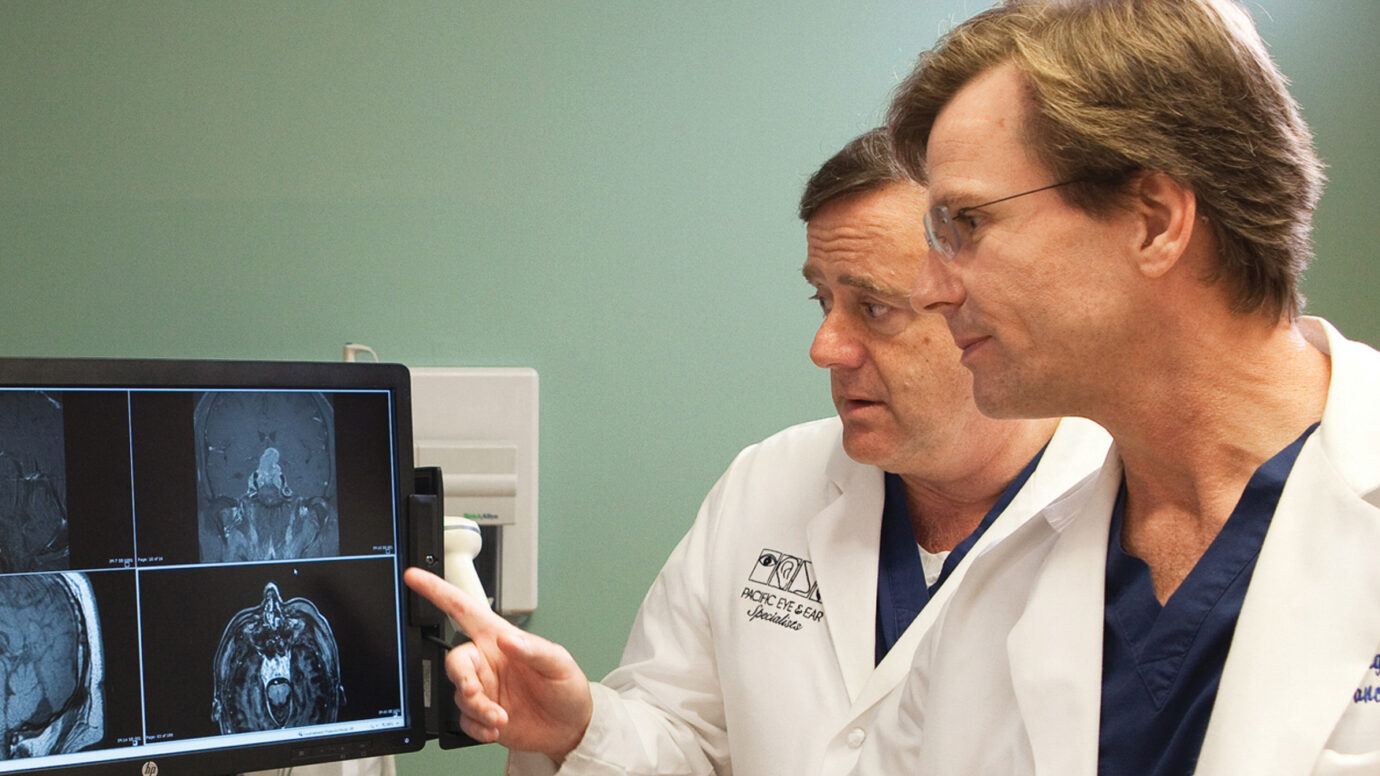
At Pacific Neuroscience Institute, our multidisciplinary team of experts specializes in diagnosing and treating rare conditions like cholesterol granulomas. We use state-of-the-art imaging, minimally invasive surgical techniques, and individualized care plans to achieve the best outcomes while minimizing risk and recovery time.

FAQs + Resources

Learn More About a Cholesterol Granuloma

With appropriate treatment, prognosis is excellent, though regular monitoring is recommended to detect recurrence early.

They typically do not go away on their own and require drainage or removal to prevent regrowth.

No. It is a benign cyst-like lesion, not a tumor, but it can press on nearby brain structures if large.

They can cause hearing loss, dizziness, tinnitus, facial weakness, or numbness if untreated.

Most cholesterol granulomas do not resolve without medical intervention.

They are rare, representing a small percentage of petrous apex lesions.

If you develop new hearing loss, facial weakness, or persistent balance problems, you should seek medical evaluation.

Resources

Contact Us

Get Expert Care from Leading Specialists

If you have been diagnosed with a cholesterol granuloma or are experiencing hearing loss, dizziness, or facial weakness, it’s important to see a specialist familiar with this rare condition. At Pacific Neuroscience Institute, we combine advanced imaging, minimally invasive surgical approaches, and comprehensive aftercare to ensure the best possible results.

Written and reviewed by:
The Pacific Neuroscience medical and editorial team
We are a highly specialized team of medical professionals with extensive neurological and cranial disorder knowledge, expertise and writing experience.

Last Updated: