
Cholesteatoma

Overview

What is a Cholesteatoma?

Overview

A cholesteatoma is an abnormal skin growth that develops in the middle ear, the space just behind the eardrum. This growth is not a tumor, but rather a cyst made up of layers of skin cells.

Cholesteatomas typically form as a result of recurrent ear infections or damage to the eardrum, which cause the eardrum to be pulled inward over time. This creates a pocket where skin cells can accumulate and form a cyst. As the cholesteatoma enlarges, it can erode and damage nearby structures in the ear, including the middle ear bones (ossicles) responsible for hearing.

The most common underlying cause is eustachian tube dysfunction. The eustachian tube is a narrow passage connecting the middle ear to the back of the nose. It allows the ear to equalize pressure, such as when your ears “pop.” When the eustachian tube is not working properly, negative pressure builds in the middle ear, which can pull the eardrum inward and lead to cholesteatoma formation.

Who is Affected?

Cholesteatomas can occur at any age, but they are most often seen in:

  • Adults with chronic ear infections or a history of eardrum perforations
  • Children with repeated ear infections or congenital (present at birth) abnormalities of the eardrum or eustachian tube
  • People with a history of ear surgery, trauma to the ear, or cleft palate (which can affect eustachian tube function)
Symptoms + Causes

Cholesteatoma Symptoms & Causes

Symptoms

Cholesteatomas often develop slowly, and early symptoms may be mild. Over time, they can become more noticeable and potentially serious. If left untreated, cholesteatomas can cause permanent hearing loss, balance problems, and in rare cases, life-threatening infections. Symptoms may include:

  • Persistent ear drainage (often foul-smelling)
  • Hearing loss in the affected ear
  • Ear pressure or fullness
  • Ear pain
  • In advanced cases: dizziness, balance problems, or facial muscle weakness/paralysis on the affected side

Causes

The main cause of cholesteatoma formation is eustachian tube dysfunction, which prevents the middle ear from equalizing pressure with the outside environment. Over time, the negative pressure pulls part of the eardrum inward, forming a skin-lined pocket. This pocket traps dead skin cells, which accumulate into a cyst that can grow and damage surrounding tissue. Risk factors include:

  • Chronic ear infections
  • Recurrent middle ear fluid (otitis media with effusion)
  • Eardrum perforations
  • Past ear surgery or trauma
  • Structural abnormalities of the ear or eustachian tube

When to See a Doctor

Early diagnosis can prevent serious complications. Contact an ear, nose, and throat specialist promptly if you experience:

  • Ongoing ear drainage despite treatment
  • Gradual or sudden hearing loss
  • Persistent ear pain or pressure
  • Dizziness, balance problems, or facial weakness
Diagnosis

Cholesteatoma Diagnosis

A cholesteatoma is usually diagnosed by an otolaryngologist (ear, nose, and throat – ENT specialist) through an ear examination using an otoscope or microscope. Additional tests may include:

Audiogram
(Hearing Test)

To measure hearing loss

CT Scan

To determine the size and extent of the cholesteatoma

MRI

In certain cases to assess complications or confirm diagnosis

Treatment + Outcomes

Cholesteatoma Treatment & Outcomes

Treatment Options

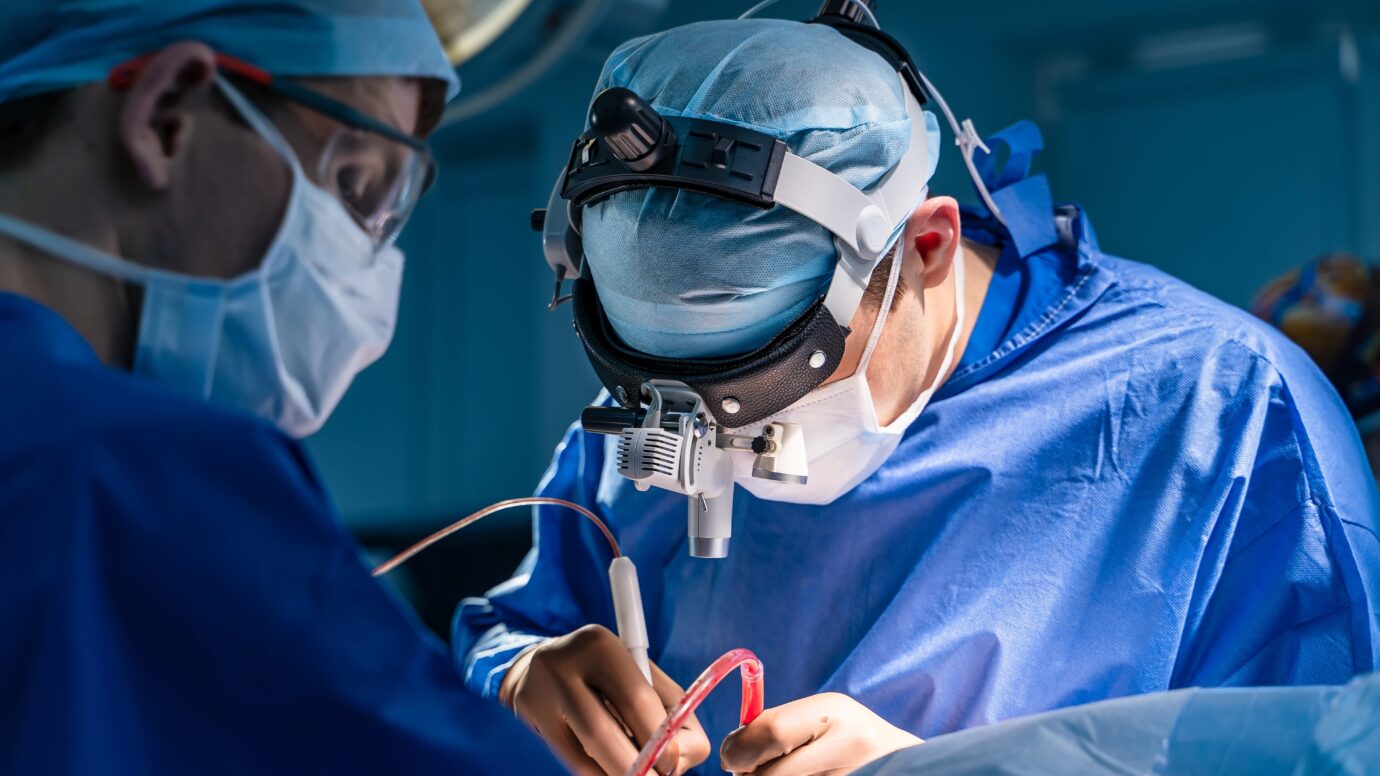
The only effective treatment for a cholesteatoma is surgery. Medications such as antibiotics or ear drops can temporarily control infection or drainage but cannot remove the growth.

Surgery is typically performed under general anesthesia. The goals are to:

  1. Completely remove the cholesteatoma
  2. Prevent recurrence
  3. Create a safe, dry ear

If the cholesteatoma has damaged the middle ear bones (ossicles), a second surgery may be needed 6–12 months later to reconstruct the bones and improve hearing.

Most patients can go home the same day. Recovery usually requires 1–2 weeks off work and follow-up visits for ear cleaning and monitoring.

Patient Outcomes

When detected and treated early, patients can expect good long-term outcomes. Surgical removal of a cholesteatoma is generally successful in stopping the growth and preventing further damage.

  • Hearing improvement varies depending on the extent of damage before surgery.
  • Recurrence is possible, so long-term monitoring is important.
Managing Your Condition

Managing A Cholesteatoma

After surgery, you can help maintain ear health and prevent recurrence by:

  • Attending all follow-up appointments for ear cleanings and hearing tests
  • Protecting your ear from water as advised by your surgeon
  • Treating sinus or nasal allergies to improve eustachian tube function
  • Reporting any new symptoms (drainage, hearing loss, dizziness) promptly
Care at PNI

Experience Compassionate, Expert Care
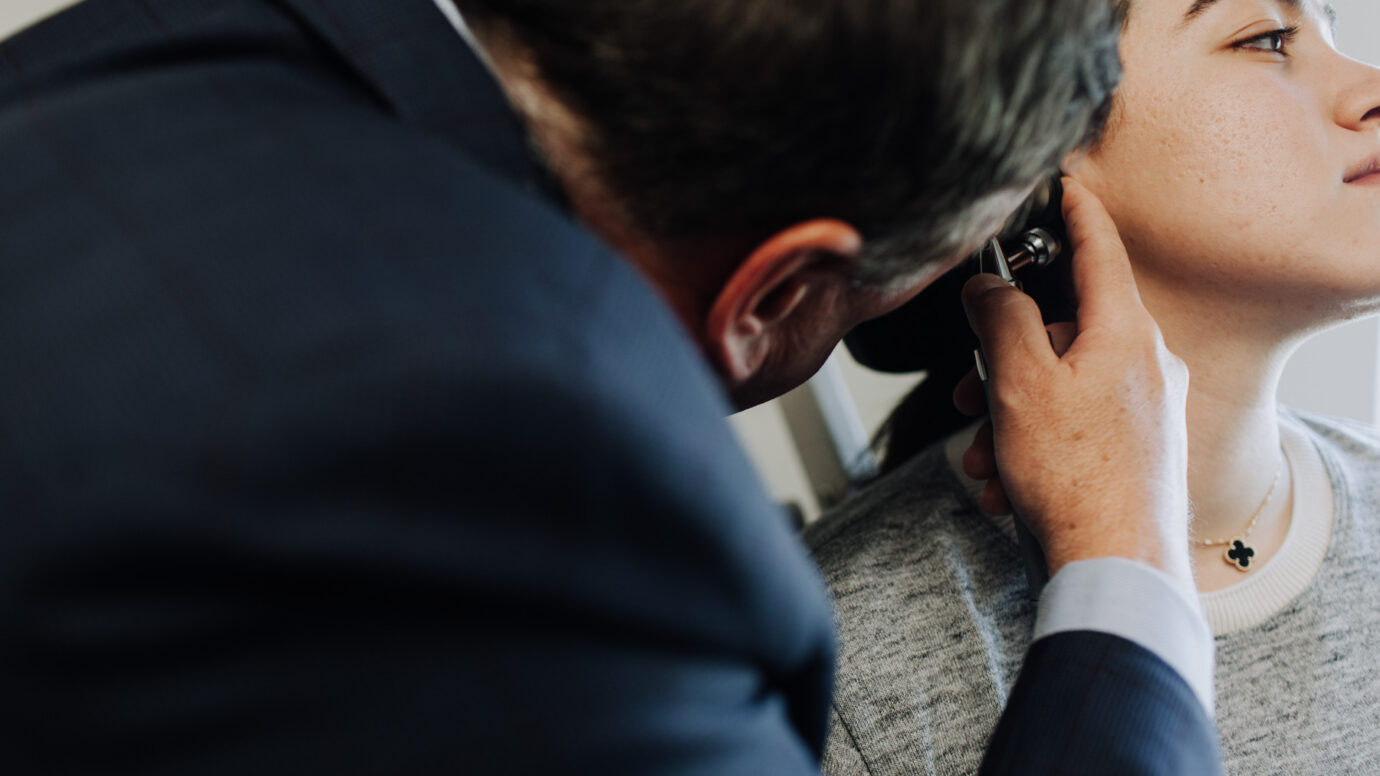
At Pacific Neuroscience Institute, our ENT specialists have extensive experience diagnosing and treating complex cholesteatomas. We offer advanced microsurgical techniques, minimally invasive approaches, and personalized care plans to protect hearing and restore quality of life.

FAQs + Resources

Learn More About a Cholesteatoma

With prompt surgical treatment, prognosis is excellent for preventing serious complications, though hearing may not fully return if damage has already occurred.

An abnormal skin cyst in the middle ear that can grow and damage nearby structures.

They generally grow slowly but can cause significant damage over time if untreated.

Surgery remains the standard; newer minimally invasive and endoscopic approaches may be used in select cases.

Most patients experience reduced symptoms and a safe, dry ear. Hearing restoration may require a second surgery.

It can lead to progressive hearing loss, balance problems, facial paralysis, and in rare cases, brain infections.

No, cholesteatomas are not cancerous, but they can be destructive if left untreated.

Resources

Contact Us

Get Expert Care from Leading Specialists

If you have been diagnosed with a cholesteatoma or are experiencing persistent ear symptoms, early evaluation by a skilled ENT surgeon is critical to protect your hearing and prevent complications. At Pacific Neuroscience Institute, our team offers advanced diagnostics, surgical expertise, and compassionate care tailored to your needs.