Chiari Malformation Type I
What is a Chiari Malformation Type 1?
Overview
Chiari malformation is a structural condition where brain tissue, specifically the lower part of the cerebellum called the cerebellar tonsils, extends into the spinal canal. This occurs when the skull is abnormally shaped or smaller than usual, creating less space for the brain. As a result, pressure builds and pushes the cerebellum downward through the opening at the base of the skull (foramen magnum).
Chiari malformation is relatively uncommon, but increased use of advanced imaging such as MRI has led to more frequent detection and diagnosis.
Chiari Malformation Type 1 (CM-I) is the most common form. Unlike Types 2 and 3, which are present at birth (congenital), CM-I often develops during late childhood or adulthood. It may be discovered incidentally during imaging for another issue, or after symptoms appear.
In some cases, CM-I is associated with disturbances in the flow of cerebrospinal fluid (CSF), which can lead to increased intracranial pressure, syringomyelia (a fluid-filled cyst within the spinal cord), or spontaneous CSF leaks that may require surgical repair.
Who is Affected?
Chiari malformation type 1 can affect people of all ages, but it is often diagnosed in teens or adults between the ages of 20–40. It can occur in both men and women, though some studies suggest it is slightly more common in women. The severity of symptoms and the timing of onset can vary widely. Some people remain symptom-free for years, while others experience disabling symptoms early on.
Chiari Malformation Type 1 Symptomsrn& Causes
Symptoms
Symptoms of Chiari malformation type 1 can develop gradually or appear suddenly. They are often related to increased intracranial pressure or impaired CSF flow and may include:
- Headaches often located at the back of the head and worsened by coughing, laughing, or straining
- Neck pain
- Dizziness or balance problems
- Difficulty swallowing (dysphagia)
- Slurred speech (dysarthria)
- Poor coordination or clumsiness
- Difficulty walking (ataxia)
- Numbness or tingling in the arms or hands
- Muscle weakness
- Incontinence (bladder or bowel control problems)
In some patients, increased intracranial pressure can cause spontaneous cerebrospinal fluid (CSF) leaks, which may require additional surgical treatment.
Causes
The exact cause of Chiari malformation type 1 is not always known. It may be:
- Congenital (present from birth) due to abnormal skull development during fetal growth
- Acquired later in life, possibly due to spinal fluid drainage issues, injury, infection, or other conditions that cause loss of spinal fluid volume and changes in brain position
- Associated with other conditions such as scoliosis, tethered spinal cord, or connective tissue disorders (e.g., Ehlers-Danlos syndrome)
When to See a Doctor
The following could indicate complications that need urgent evaluation. Seek immediate medical attention if you experience:
- Sudden, severe headache unlike any you’ve had before
- Loss of coordination or sudden weakness
- Difficulty swallowing or breathing
- Sudden changes in vision or speech
- Loss of bladder or bowel control
Chiari Malformation Type 1 Diagnosis
Chiari malformation type 1 is most often diagnosed using MRI of the brain and cervical spine. Imaging can show how far the cerebellar tonsils extend below the foramen magnum and whether there is an associated syrinx (fluid-filled cavity in the spinal cord).
Additional tests may include:
- Cine MRI to evaluate CSF flow
- CT scan to assess bone structure
- Neurological exam to check motor skills, reflexes, and sensory function
Chiari Malformation Type 1 Treatmentrn& Outcomes
Treatment Options
The main treatment for symptomatic Chiari malformation type 1 is posterior fossa decompression surgery. This involves removing a small section of bone at the back of the skull to relieve pressure and improve CSF flow. In many cases, the dura mater (the brain’s outer covering) is also expanded using a graft — sometimes made from the patient’s own tissue.
Other approaches may be considered for mild cases, such as monitoring symptoms with regular imaging or using medications to manage headaches and pain.
Patient Outcomes
Recovery after surgery varies based on how long symptoms were present before treatment and whether there are complications like syringomyelia. Many patients experience significant symptom relief, especially for headaches and balance issues. Early diagnosis and treatment often lead to better outcomes.
Managing A Chiari Malformation Type 1
While surgery is often the definitive treatment for symptomatic CM-I, certain lifestyle adjustments can help:
Avoid Activities
Avoid activities that worsen symptoms (heavy lifting, straining, high-impact sports)
Practice Good Posture
To reduce neck strain
Medication Regimens
Follow prescribed medication regimens for pain or muscle relaxation
Attend Follow-Ups
Attend regular follow-ups for neurological and imaging assessments
Stay Informed
About symptoms that could indicate worsening or complications

Experience Compassionate, Expert Care
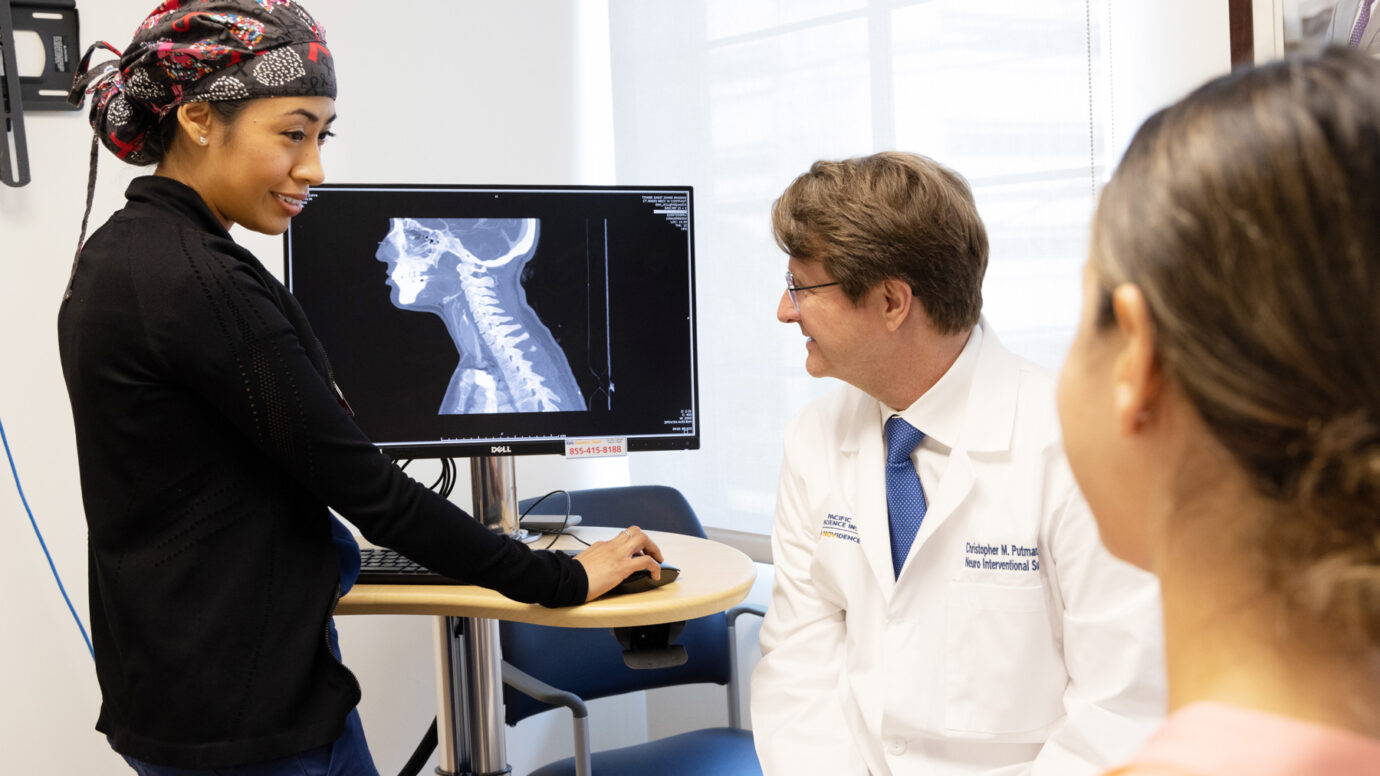
If you have been diagnosed with Chiari Malformation Type 1 or suspect you may have symptoms, early evaluation by an experienced neurosurgical team is essential. At Pacific Neuroscience Institute, our specialists use advanced imaging and minimally invasive surgical techniques to provide precise diagnosis and effective treatment. Our facilities are equipped with leading-edge technology to ensure precision and safety in Chiari malformation type I surgery.
Learn More About a ChiarirnMalformation Type 1
With proper treatment, many patients experience significant improvement or resolution of symptoms. Prognosis depends on symptom severity, presence of syringomyelia, and timing of surgery.
It can be serious if untreated, particularly if it causes neurological deficits or syrinx formation.
Life expectancy is typically normal, especially with timely diagnosis and treatment.
Surgery can correct the underlying structural problem and relieve symptoms, but long-term follow-up is important to monitor for recurrence.
Not always, but symptoms can progress over time in some patients if untreated.
Memory problems are not common, but chronic pain, sleep disturbance, or other associated conditions can indirectly affect cognitive function.
Avoid activities that strain the neck, increase intracranial pressure, or risk head/neck injury.
Gentle, low-impact exercise can help maintain mobility and overall health, but always consult your doctor before starting or changing an exercise routine.
Resources
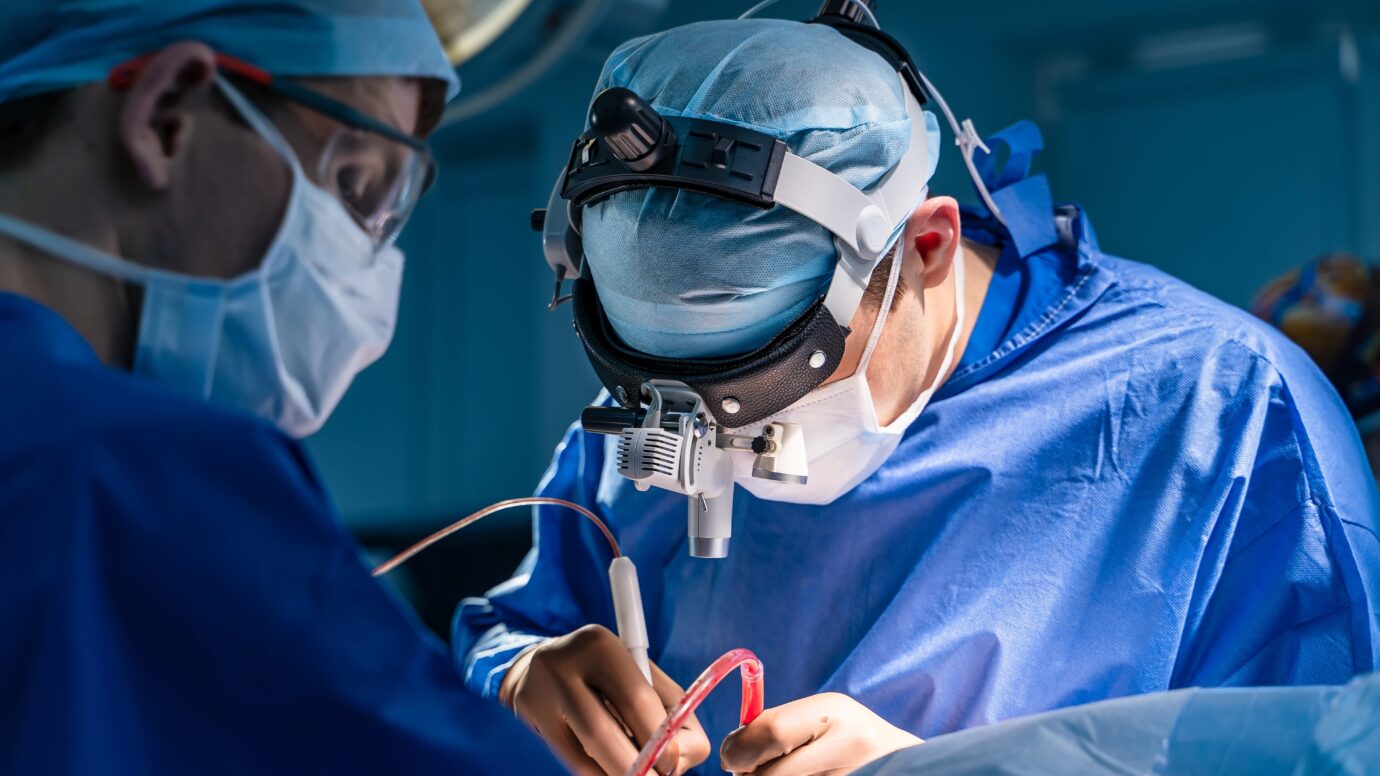
Get Expert Care from Leading Specialists
We focus on personalized care — from your first consultation through surgery and recovery — helping you get back to the activities and lifestyle you enjoy. Our team is committed to achieving the best possible outcomes while ensuring your comfort and peace of mind.
Written and reviewed by:
The Pacific Neuroscience medical and editorial team
We are a highly specialized team of medical professionals with extensive neurological and cranial disorder knowledge, expertise and writing experience.
Last Updated: