Blepharospasm
What is Blepharospasm?
Overview
Blepharospasm is a neurological movement disorder characterized by abnormal involuntary contractions or spasms of the eyelid muscles. This condition can cause repetitive blinking, eye twitching, and involuntary closure of the eyelids, which can interfere with a person’s vision, daily activities, and quality of life.
Blepharospasm can occur in one or both eyes and can range in severity from mild to severe. In severe cases, the spasms can be so intense that the eyes remain tightly closed for prolonged periods, making it impossible to see.
Who is Affected?
Blepharospasm typically begins in adults between their 40s and 60s, though it can affect people of any age. It occurs more frequently in women than men and may be associated with a family history of dystonia or other movement disorders.
Blepharospasm Symptoms & Causes
Symptoms
The initial symptoms may feel like squinting, eyelid heaviness, pain or tension around the eyes. If untreated, vision function can be affected simply because the eye closure interferes with vision (not because the condition affects the eyes themselves). Once treated, vision is entirely normal.
Triggers can include reading, walking, computer use and driving, which can be dangerous from a safety perspective, not to mention disruptive to the patient’s quality of life or even work-related activities. When blepharospasm is associated with lower facial dystonia, it is known as Meige syndrome.
Causes
The exact cause of blepharospasm is not fully understood, but it is thought to be related to a malfunction in the basal ganglia, an area of the brain that is involved in controlling movement. Blepharospasm may also be associated with certain medications, neurological disorders, or genetic factors.
Potential contributing factors include:
- Genetic predisposition
- Neurological conditions
- Certain medications (e.g., those affecting the dopamine system)
- Eye irritation or dry eye
- Rarely, trauma or other secondary causes
When to See a Doctor
Early diagnosis and treatment can greatly improve quality of life. You should consult a neurologist or movement disorder specialist if:
- You experience persistent eye twitching or involuntary eyelid closure.
- Your symptoms interfere with daily activities, such as driving or reading.
- You develop facial spasms beyond the eyes.
Blepharospasm Diagnosis
Blepharospasm is typically diagnosed through a clinical evaluation by a neurologist or movement disorder specialist. Your provider will review your medical history, assess your symptoms, and perform a physical examination. In some cases, additional tests may be ordered to rule out other neurological or eye conditions.
Blepharospasm Treatment & Outcomes
Treatment Options
While there is no known cure for blepharospasm, treatments are highly effective in reducing symptoms and improving quality of life.
These injections are the gold standard treatment for blepharospasm. Botulinum toxin works by blocking nerve signals to the affected muscles, reducing involuntary contractions. Results typically appear within 3–10 days and last around 3 months, requiring repeat treatments 3–4 times per year.
Possible side effects of Botox include mild eyelid weakness, dry eyes, tearing, or rarely, eyelid droop or double vision. These effects are usually temporary. Overall, Botox injections are considered very safe and can be life-changing for patients with blepharospasm.
In some cases, medications such as muscle relaxants or anticonvulsants may help reduce symptoms, though they are generally less effective than injections.
For severe, treatment-resistant cases, myectomy surgery (removal of some eyelid muscles) may be considered.
Patient Outcomes
Most patients experience significant relief with botulinum toxin injections, leading to improved vision function, reduced discomfort, and enhanced quality of life. Regular treatment and follow-up with a movement disorder specialist ensure long-term symptom control.
Managing Blepharospasm
Living with blepharospasm requires ongoing care. Combining botulinum toxin therapy with lifestyle adjustments—such as wearing sunglasses in bright light, managing stress, and using artificial tears for dry eye—can help improve daily comfort. Regular follow-up with your neurologist is key to optimizing treatment.
Meet our Expert Specialists & Surgeons


Experience Compassionate, Expert Care
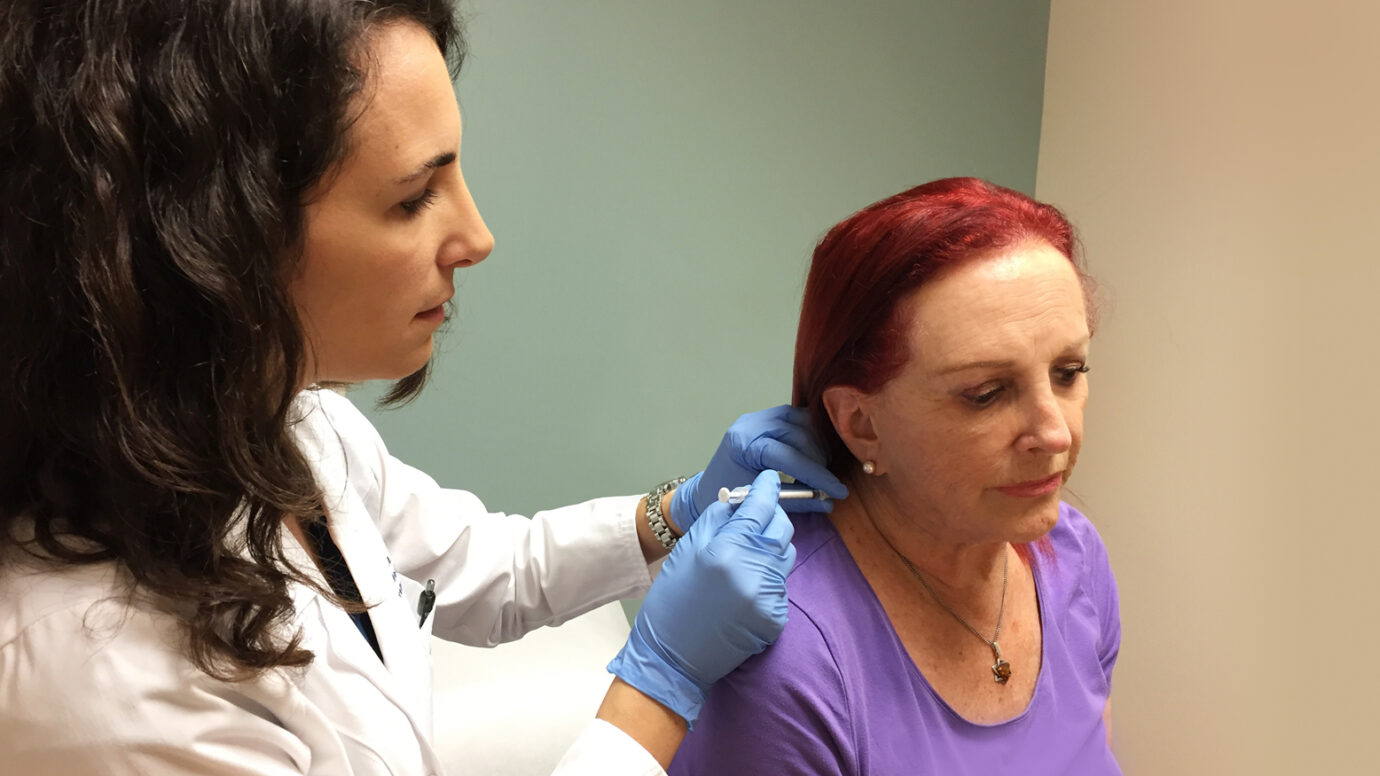
At the Pacific Neuroscience Institute, our team of neurologists, movement disorder specialists, and surgeons provides expert diagnosis and personalized treatment for blepharospasm. We use the latest therapies, including Botox and Xeomin injections, to deliver safe, effective, and lasting relief for our patients.
Learn More About Blepharospasm
With appropriate treatment, most people experience significant improvement in symptoms and can maintain normal vision function and quality of life.
Blepharospasm is linked to abnormal brain signaling in areas controlling movement, such as the basal ganglia. Genetics, medications, and other neurological conditions may contribute.
Botulinum toxin injections (Botox or Xeomin) are considered the gold standard treatment, offering safe and effective relief for most patients.
While no specific vitamin deficiency directly causes blepharospasm, magnesium or vitamin D deficiency may contribute to muscle spasms. It’s best to discuss supplementation with your healthcare provider.
While there’s no permanent cure, regular Botox injections and other treatments can significantly reduce or control symptoms.
Other conditions such as hemifacial spasm, tic disorders, or eye irritation can mimic blepharospasm. A neurologist or movement disorder specialist can provide an accurate diagnosis.
Magnesium may help reduce muscle tension in some patients, but its role in treating blepharospasm is not well-established. It can be discussed as part of a broader management plan.
Resources
Get Expert Care from Leading Specialists
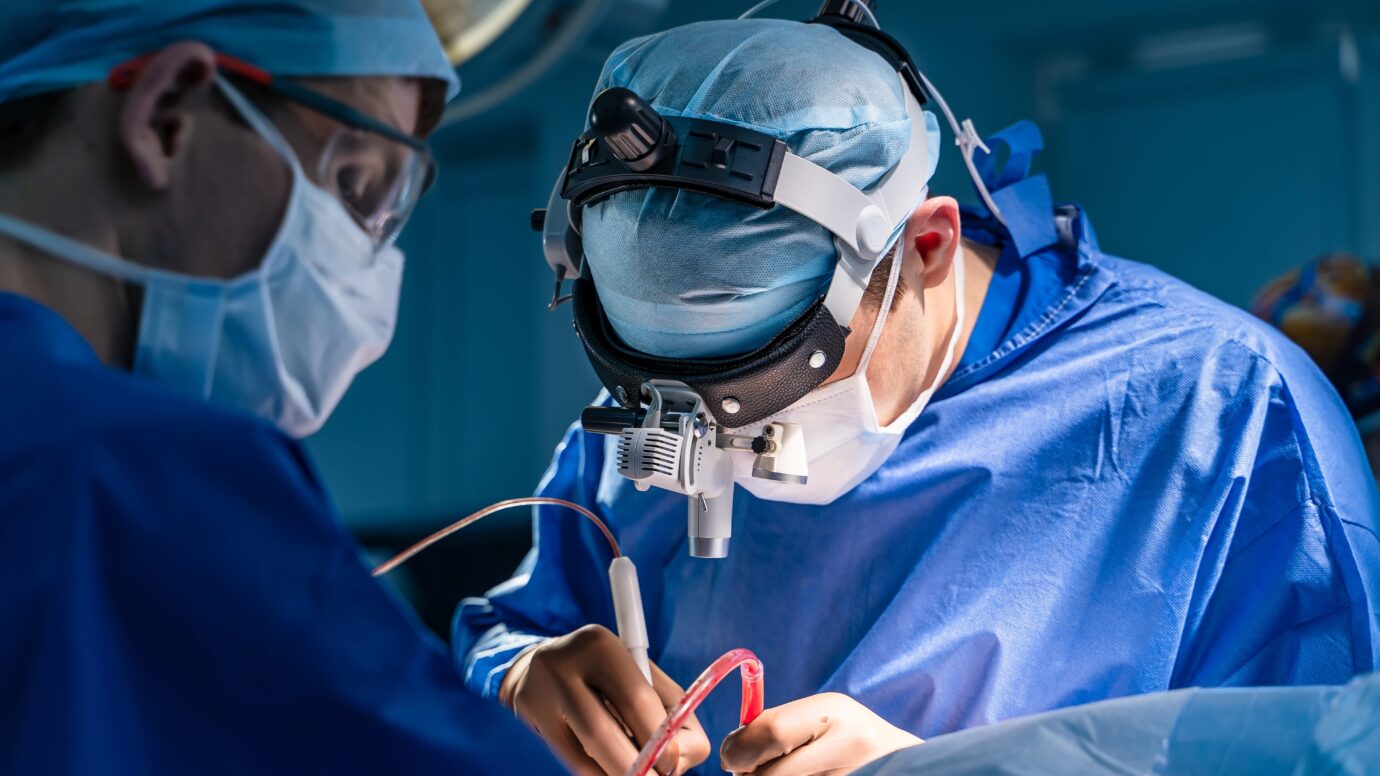
Our team at Pacific Neuroscience Institute specializes in the diagnosis and treatment of blepharospasm and other movement disorders. With extensive experience in botulinum toxin therapy and access to advanced treatment options, we provide customized care to help patients regain comfort, vision, and confidence in their daily lives.
Written and reviewed by:
The Pacific Neuroscience medical and editorial team
We are a highly specialized team of medical professionals with extensive neurological and cranial disorder knowledge, expertise and writing experience.
Last Updated: