Benign Sinonasal Tumors
What is a Benign Sinonasal Tumor?
Overview
Benign sinonasal tumors are relatively uncommon, the most common being inverted papilloma, hemangioma and osteoma.
Inverted papillomas are benign finger-like growths in the soft epithelial tissues lining the nasal cavities that extend into the underlying bone. They can be fast growing and may become malignant.
Sinonasal hemangiomas are relatively rare and are benign vascular tumors that arise in the mucous membranes of the nasal cavity and paranasal sinuses. Their clinical, radiologic, and histologic signatures distinguish them from other types of benign growths.
Osteomas are benign bone growths that are found mainly on the bones of the skull. These tumors are slow growing and usually cause no symptoms. When they develop from the bone they are called homoplastic osteomas while they are called heteroplastic osteomas when the arise from the soft tissues.
Complete surgical excision—most often using a minimally invasive endoscopic endonasal approach—is the treatment of choice for these tumors.
Who is Affected?
Benign sinonasal tumors can occur in both men and women of any age, though some types are more common in certain groups.
- Inverted papillomas are more often found in middle-aged men.
- Sinonasal hemangiomas are rare and may occur at any age.
- Osteomas are typically discovered incidentally in young or middle-aged adults during imaging for other reasons.
Benign Sinonasal Tumor Symptomsrn& Causes
Symptoms
Benign sinonasal tumors cause the following symptoms:
- Nasal obstruction
- Chronic sinusitis
- Nose bleeds
- Headache
- Facial swelling or pain (rare)
Causes
The exact cause of benign sinonasal tumors varies by type:
- Inverted papillomas are associated with chronic inflammation and sometimes linked to human papillomavirus (HPV) infection.
- Hemangiomas develop from abnormal growth of blood vessels in the nasal cavity or sinuses.
- Osteomas are thought to result from developmental anomalies, prior trauma, or chronic infection, though their precise cause is often unclear.
When to See a Doctor
Early evaluation allows for prompt diagnosis and management, improving outcomes and reducing complications. You should seek medical evaluation if you experience:
- Persistent nasal blockage on one side.
- Chronic sinus infections that don’t improve with treatment.
- Frequent or unexplained nosebleeds.
- Facial pain, swelling, or vision changes.
Benign Sinonasal Tumor Diagnosis
Diagnosis of benign sinonasal tumors usually involves a combination of:
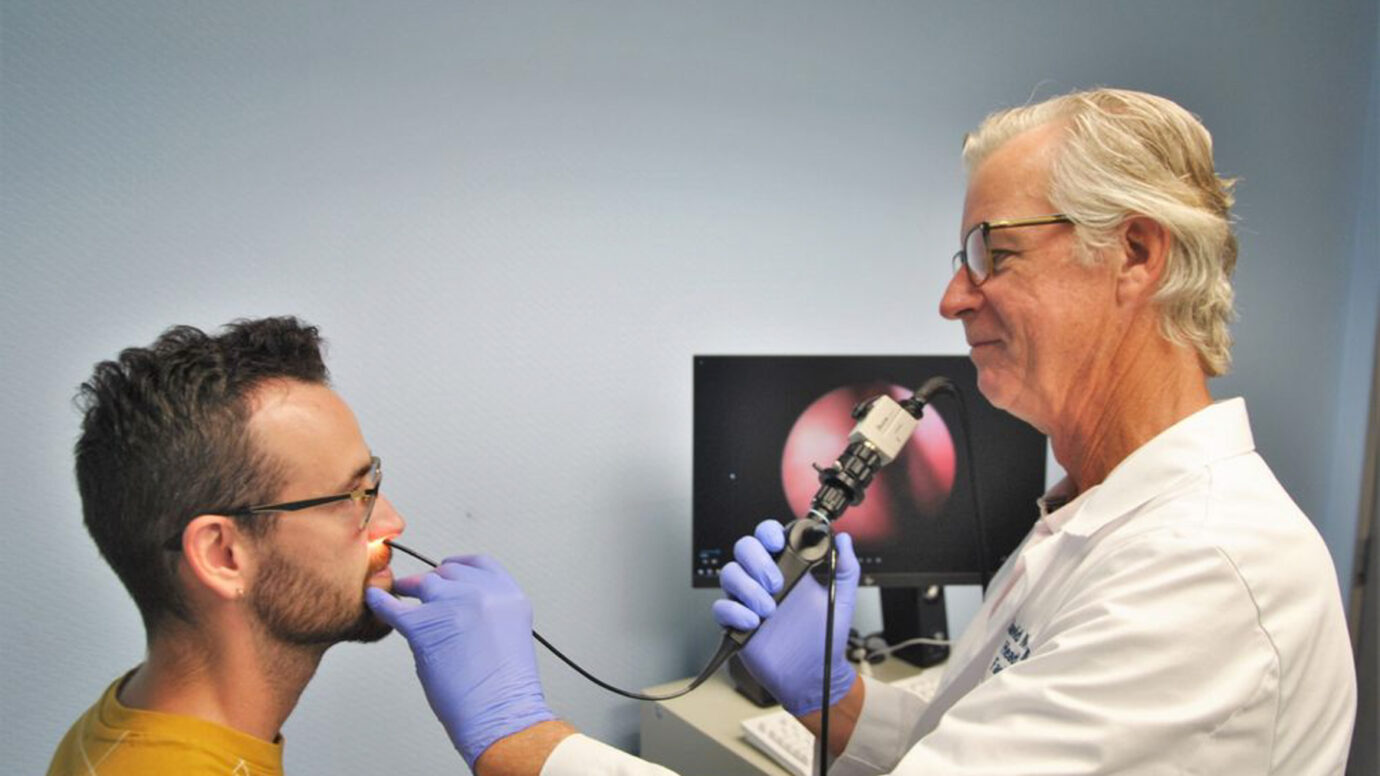
Office-Based Nasal Endoscopy
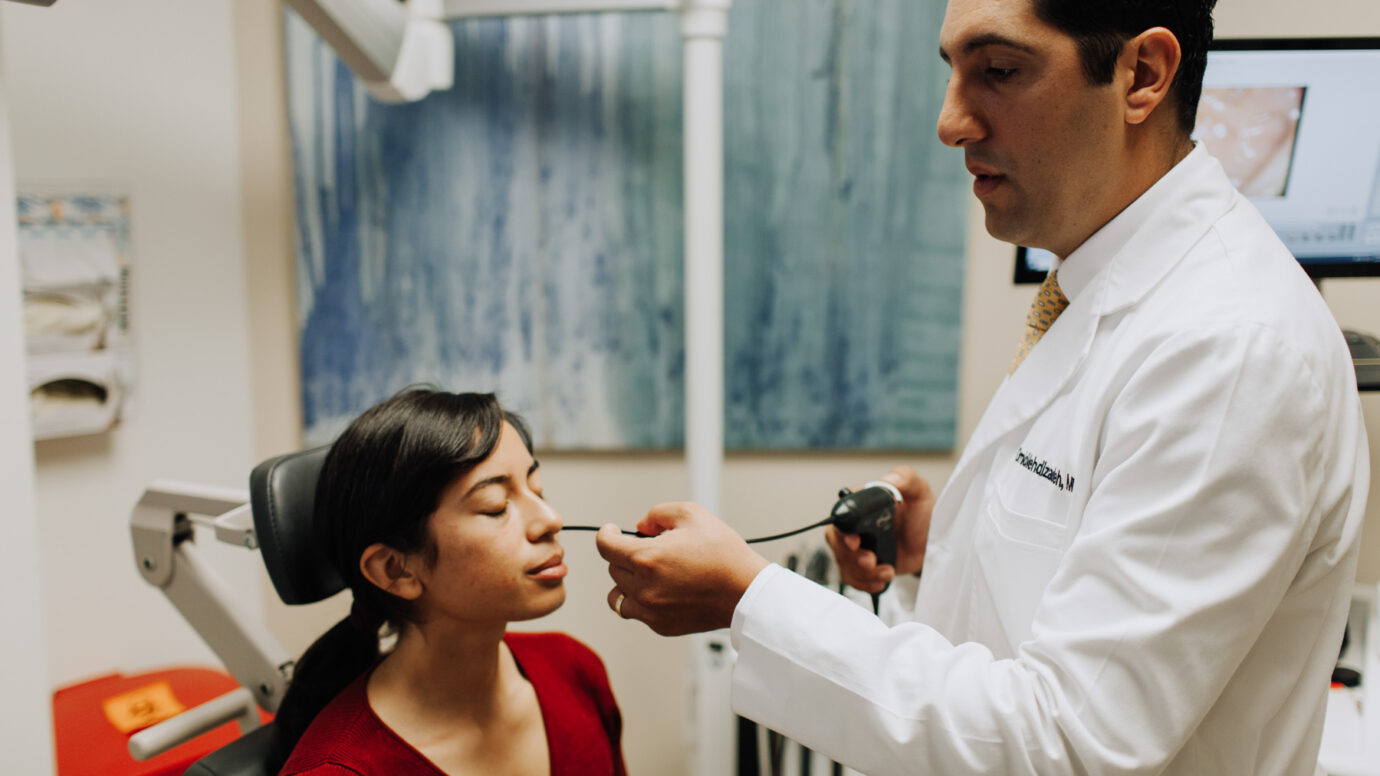
To visualize the nasal cavity and sinus openings.
Imaging Studies
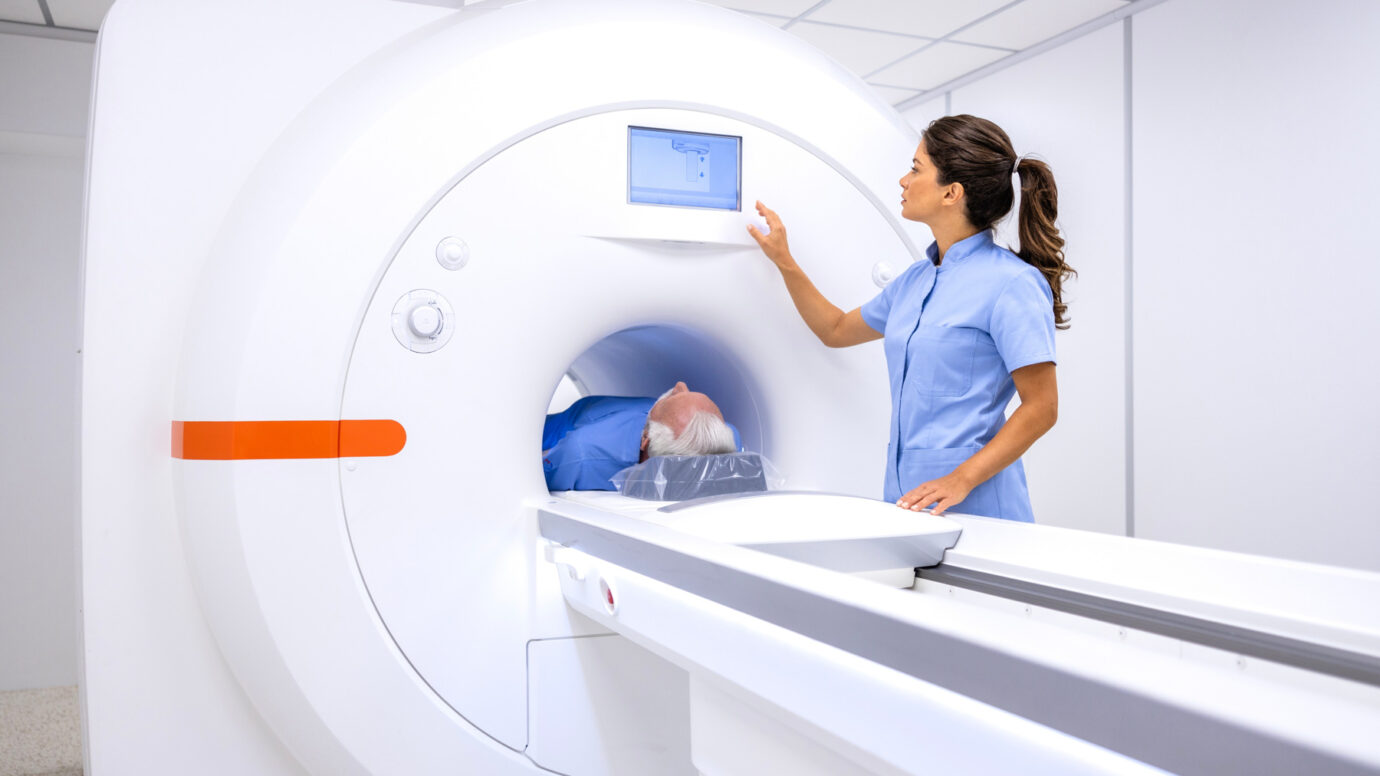
Including CT scans to assess bone involvement and MRI if soft tissue evaluation is needed.
Biopsy
(In some cases) to confirm the diagnosis and rule out malignant transformation.
In some patients these tumors are found incidentally on imaging for other reasons.
Benign Sinonasal Tumor Treatmentrn& Outcomes
Treatment Options
The treatment for most patients with benign tumors of the nose and sinus is complete surgical excision. Nearly 100% of these cases are curable using an endoscopic endonasal approach. Visible skin excisions are almost never necessary.
For vascular tumors such as hemangiomas, preoperative embolization may be performed to reduce blood loss during surgery.
Patient Outcomes
When completely excised, benign sinonasal tumors have a high cure rate, with recurrence being rare if the tumor is fully removed. Regular follow-up with imaging and nasal endoscopy may be recommended to monitor for recurrence, especially in cases of inverted papillomas.
Managing A Benign Sinonasal Tumor
After treatment, patients may require:
Sinus Care
Sinus care, including saline rinses, to promote healing.
Follow-Up Appointments
Regular follow-up appointments for endoscopic exams and imaging.
Monitoring
For recurrence, particularly with inverted papillomas due to their potential for regrowth.
Experience Compassionate, Expert Care
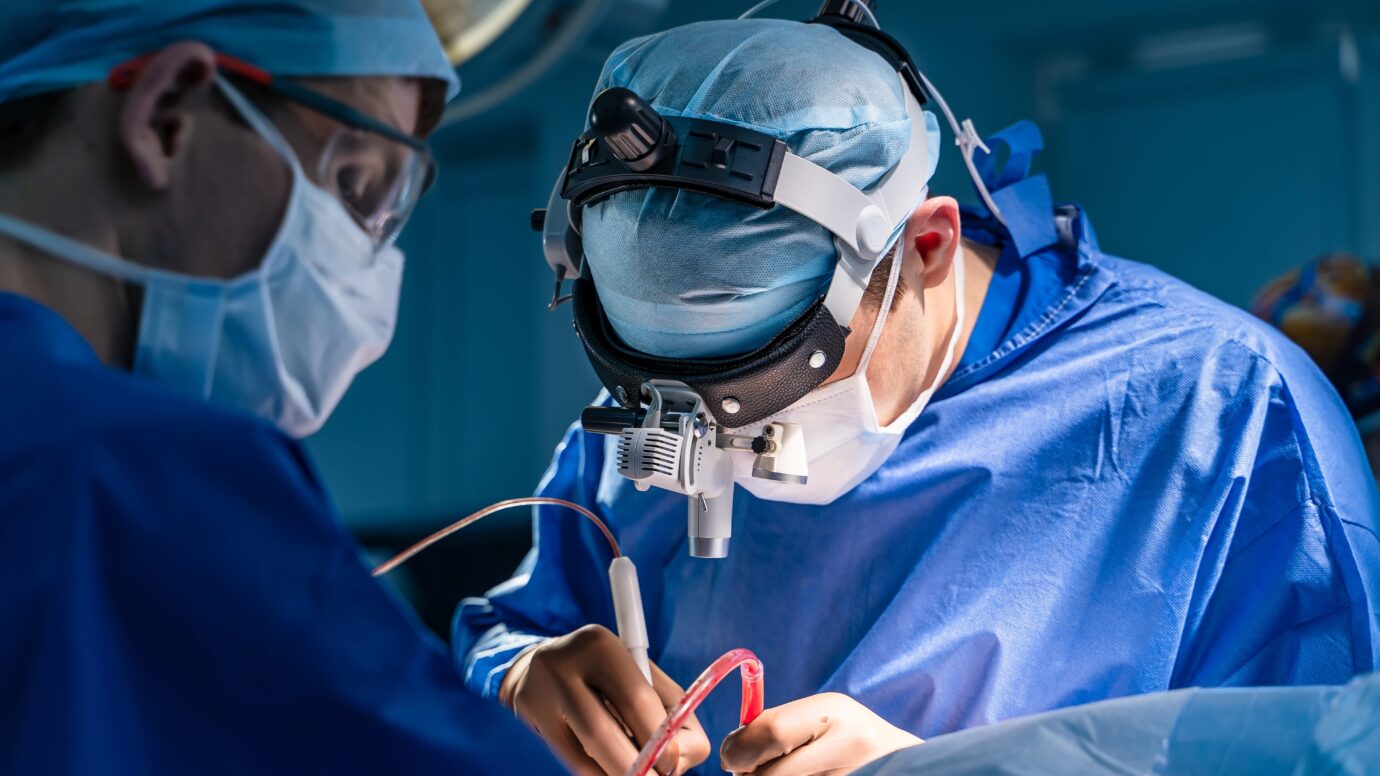
At Pacific Neuroscience Institute, our skull base and ENT surgeons are highly experienced in the endoscopic removal of benign sinonasal tumors. Using advanced navigation systems and minimally invasive techniques, we prioritize complete tumor removal while preserving healthy tissue for better outcomes and quicker recovery.
We collaborate with endovascular specialists for vascular tumor management and with the Pacific Brain Tumor Center for cases involving intracranial extension, ensuring the safest and most comprehensive care for our patients.
Learn More About a BenignrnSinonasal Tumor
The prognosis is excellent for most patients, especially when the tumor is completely removed. Regular follow-up is essential to monitor for recurrence, particularly with inverted papillomas.
The inverted papilloma is the most common benign tumor of the sinonasal cavity.
Yes. Most benign sinonasal tumors are completely curable with surgical removal, especially when treated early.
The most common method is a minimally invasive endoscopic endonasal approach, which allows surgeons to access and remove the tumor through the nasal passages without external incisions.
Resources

Get Expert Care from Leading Specialists
If you’ve been diagnosed with a benign sinonasal tumor or are experiencing persistent nasal symptoms, our expert team at Pacific Neuroscience Institute can help. We offer comprehensive evaluation, advanced imaging, and minimally invasive surgical options to restore your health and quality of life.