Arachnoid Cyst
What is an Arachnoid Cyst?
Overview
An arachnoid cyst is a fluid-filled sac that develops between the brain or spinal cord and the arachnoid membrane — one of the three protective layers surrounding the brain and spinal cord. These cysts are filled with cerebrospinal fluid (CSF) and are often discovered incidentally during brain imaging. While many arachnoid cysts remain harmless, some can grow large enough to cause pressure on surrounding structures, leading to neurological symptoms that may require treatment.
Who is Affected?
Arachnoid cysts can affect individuals of all ages. They are often:
- Congenital (present at birth), sometimes discovered in childhood.
- Found incidentally in adults undergoing imaging for unrelated issues.
- More common in males than females.
While most remain stable and asymptomatic, those with larger cysts or cysts in sensitive locations may be more likely to develop symptoms requiring medical attention.
Arachnoid Cyst Symptoms & Causes
Symptoms
Most arachnoid cysts do not cause symptoms and are found incidentally. However, in select cases where the cyst enlarges, symptoms may occur, depending on its location and size:
- Persistent or worsening headaches
- Seizures
- Nausea or vomiting
- Balance or coordination problems
- Visual disturbances or hearing problems
- Weakness, numbness, or neurological deficits
If left untreated, large arachnoid cysts can continue to grow and cause significant pressure on brain structures, leading to chronic symptoms.
Causes
Arachnoid cysts are most commonly congenital, meaning they are present from birth. They typically develop as part of normal variations in brain formation and may slowly grow over time.
- Rare acquired causes: Occasionally, arachnoid cysts may form after head trauma, infection, or brain surgery.
- Congenital growth: In most cases, arachnoid cysts form before birth and may remain stable throughout life.
- Association with other conditions: In some patients, they are associated with other brain malformations, such as Dandy-Walker Syndrome.
When to See a Doctor
Seek immediate medical attention if you experience any of the following. These symptoms may indicate increased intracranial pressure or other serious complications.
- Loss of balance or coordination
- Sudden or severe headaches
- New neurological symptoms, such as weakness, numbness, or difficulty speaking
- Seizures
- Sudden vision or hearing changes
Arachnoid Cyst Diagnosis
An arachnoid cyst is often identified through:
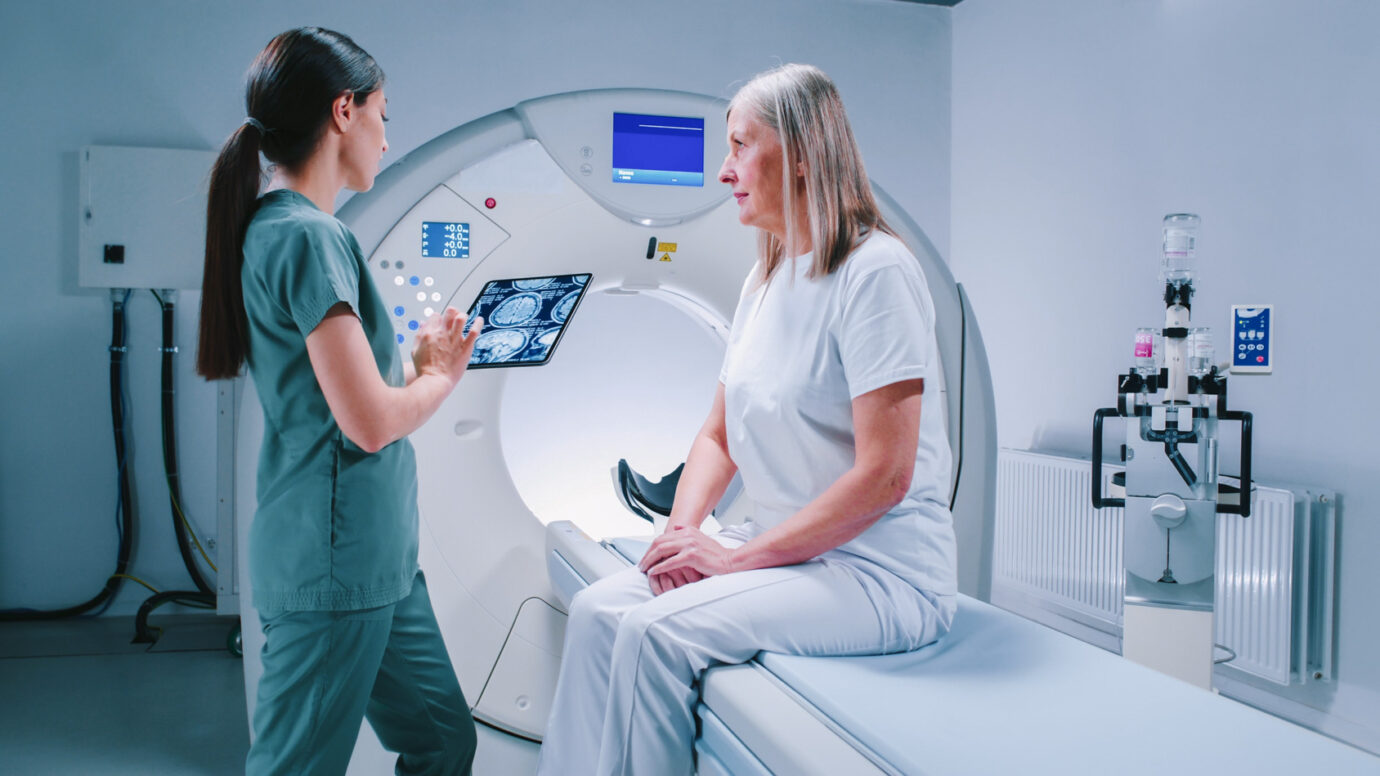
Magnetic Resonance Imaging (MRI):
The most accurate imaging tool to define the cyst’s location and size.
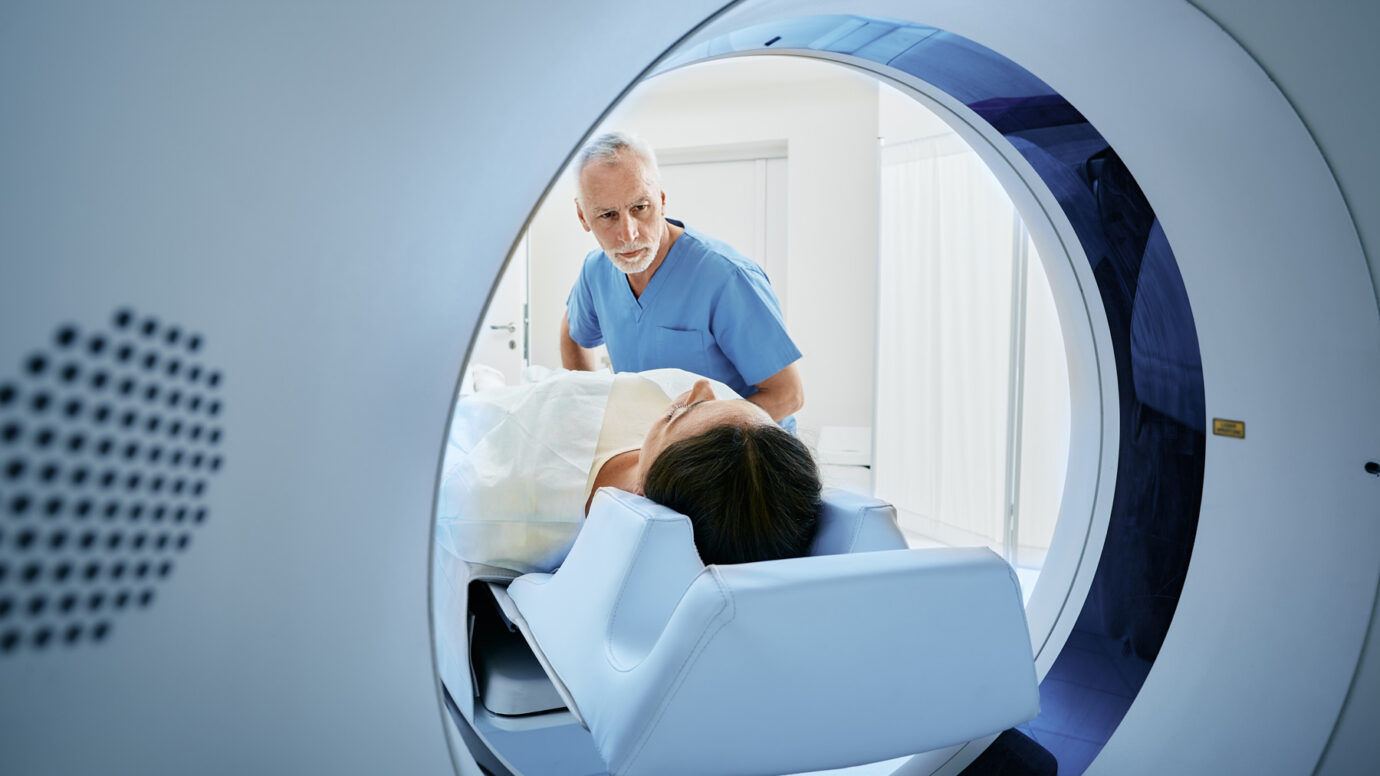
CT Scan:
Sometimes used in emergency settings or to assess calcification.
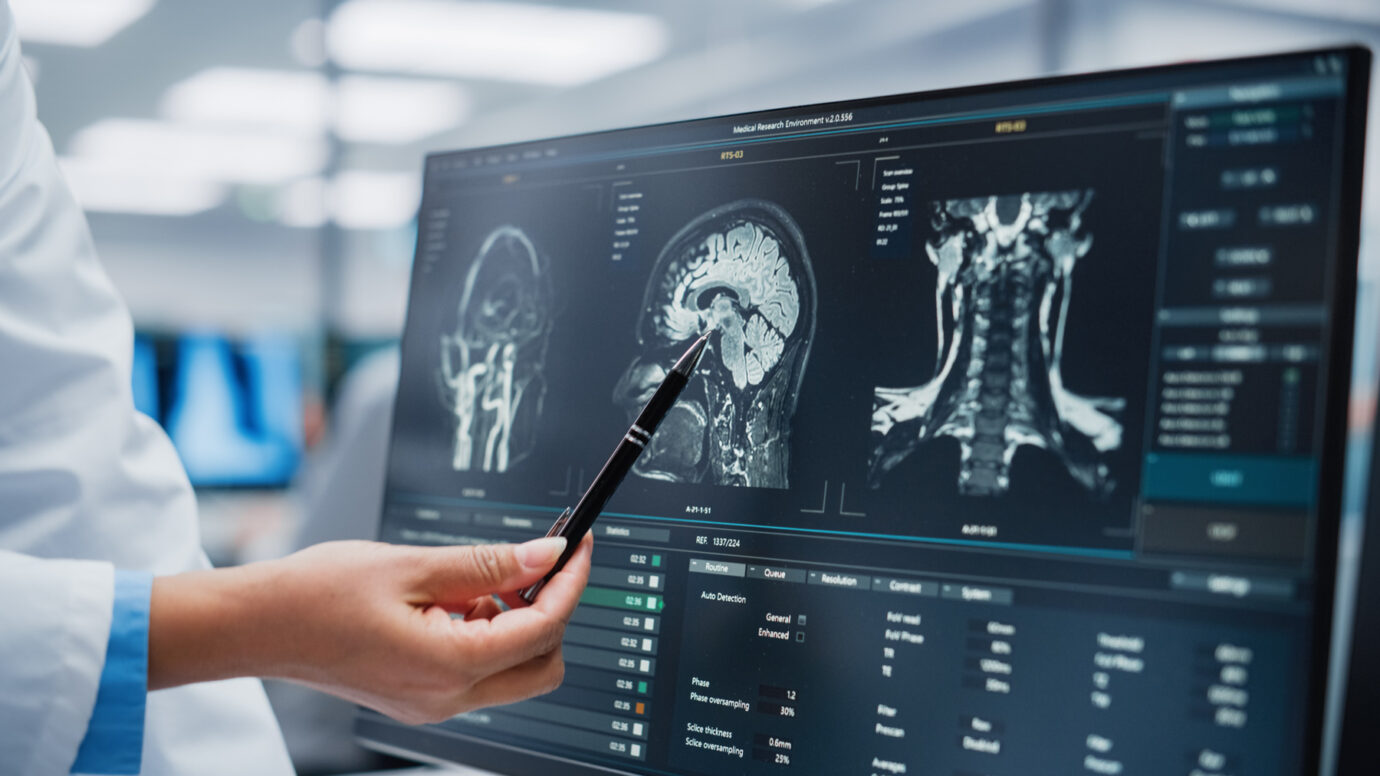
CT Cisternogram:
May be used in select cases to distinguish the cyst from normal cerebrospinal fluid pathways.
Arachnoid Cyst Treatment & Outcomes
Treatment Options
While many do not require treatment, symptomatic or growing arachnoid cysts can be treated surgically.
Surgical Options for Arachnoid Cysts
- Endoscopic Fenestration:
This minimally invasive endoscopic procedure involves creating small openings in the cyst wall, allowing the fluid to drain into the brain’s natural CSF spaces. This method can eliminate the need for a cystoperitoneal shunt. - Shunt Removal and Fenestration:
In patients who have previously had a shunt placed (usually in childhood), endoscopic fenestration can sometimes allow for the removal of the shunt. - Cystoperitoneal Shunt Placement (when needed):
A shunt can be surgically placed to divert fluid from the cyst into the abdomen if other procedures are not appropriate.
Patient Outcomes
With modern surgical techniques, most patients experience significant symptom improvement and a low risk of recurrence. Minimally invasive approaches, like endoscopic fenestration, often result in shorter recovery times and fewer complications. Many patients can return to normal activities following treatment, and in asymptomatic cases, careful monitoring is often all that’s needed.
Managing An Arachnoid Cyst
For patients whose cysts do not require immediate surgery, ongoing management may include:
- Regular imaging: MRI scans to monitor for growth or changes.
- Symptom tracking: Reporting new or worsening symptoms promptly.
- Lifestyle adjustments: Avoiding activities that could worsen symptoms, such as high-impact sports if at risk for head trauma.
- Medical follow-up: Periodic evaluations by a neurosurgeon or neurologist.

Experience Compassionate, Expert Care

At Pacific Neuroscience Institute, our team of experienced neurosurgeons uses the most advanced imaging and minimally invasive surgical techniques to evaluate and treat arachnoid cysts. We carefully assess each patient to determine whether observation or intervention is the best course of action.
Our patients benefit from:
- Leading-edge endoscopic neurosurgery for safer, faster recoveries.
- Multispecialty collaboration with neurologists, neuroradiologists, and rehabilitation specialists.
- Personalized care for both pediatric and adult patients.
Learn More About Arachnoid Cyst
Most arachnoid cysts have an excellent prognosis. Many remain stable for years and never cause symptoms. When symptoms do occur—such as headaches, balance problems, or vision changes—they often improve with the appropriate treatment. Long-term outcomes depend on the cyst’s size, location, and whether it affects nearby brain structures. Regular monitoring with imaging may be recommended in symptomatic or enlarging cysts.
An arachnoid cyst can range from harmless to clinically significant. Many are discovered incidentally and do not require treatment. However, cysts that press on nearby brain tissue or obstruct cerebrospinal fluid flow can lead to symptoms such as headaches, seizures, developmental delays in children, or neurological deficits. The seriousness depends on the location, mass effect, and symptom progression.
Arachnoid cysts form when cerebrospinal fluid becomes trapped between layers of the arachnoid membrane, one of the coverings of the brain. Most are congenital, meaning they form during fetal development. Less commonly, they may develop after head injury, infection, or surgery. They are not tumors and do not turn into cancer.
Most arachnoid cysts do not require removal. Treatment is generally considered only when a cyst is causing symptoms or affecting surrounding brain tissue. When intervention is appropriate, options may include surgical fenestration or cyst-to-cerebrospinal-fluid diversion to relieve pressure. A neurosurgeon determines candidacy based on symptoms, imaging findings, and cyst behavior over time.
There is no specific cyst size that automatically requires surgery. Size is only one factor; what matters most is whether the cyst is producing symptoms, exerting pressure on brain structures, or interfering with normal fluid circulation. Some large cysts remain stable and asymptomatic, while smaller cysts can occasionally cause symptoms.
Red flags may include:
- Persistent or worsening headaches
- New seizures
- Vision changes or double vision
- Balance problems or coordination difficulties
- Nausea/vomiting linked to increased pressure
- Facial weakness or numbness
- Developmental delays in children
Any new or progressive neurological symptoms warrant medical evaluation.
Rupture of an arachnoid cyst is very rare. When it does occur, it is often associated with significant trauma. In most people, cysts remain stable and do not rupture. The likelihood of spontaneous rupture is low.
Arachnoid cysts do not typically cause personality changes. However, cysts located in regions that influence behavior, mood, or executive function (such as the frontal lobes) may contribute to changes if they create pressure on nearby brain tissue. Personality or behavioral changes should always be medically evaluated, as they may have multiple possible causes.
Many arachnoid cysts remain the same size throughout a person’s life. When growth occurs, it is usually slow. Growth patterns depend on the cyst’s location and underlying cause. Periodic imaging may be used to monitor cysts that appear symptomatic or are located near critical structures.
Resources
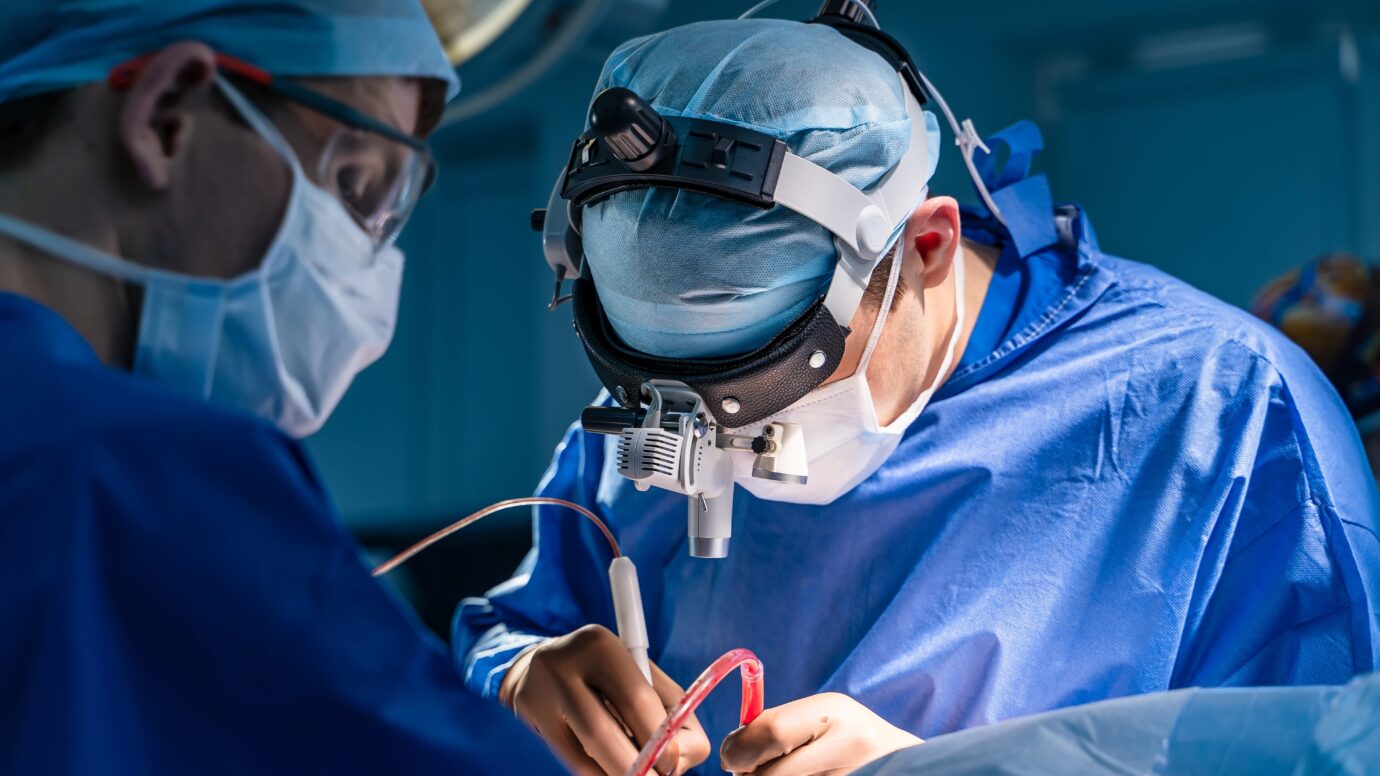
Get Expert Care from Leading Specialists
Our multidisciplinary team at Pacific Neuroscience Institute specializes in diagnosing and treating arachnoid cysts. With expertise in minimally invasive and endoscopic techniques, our neurosurgeons tailor care to each patient’s needs, ensuring optimal outcomes and safety.
Written and reviewed by:
The Pacific Neuroscience medical and editorial team
We are a highly specialized team of medical professionals with extensive neurological and cranial disorder knowledge, expertise and writing experience.
Last Updated: